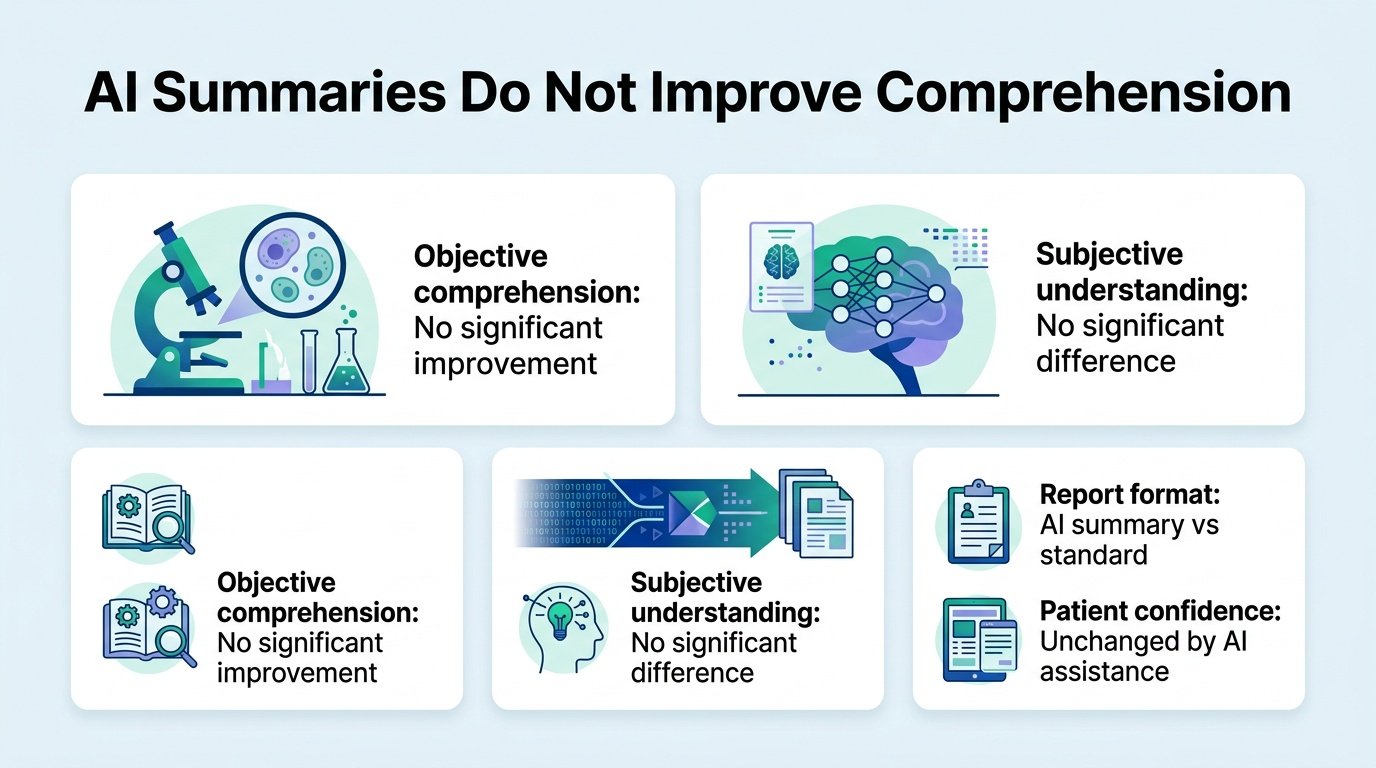
AI summaries fail to improve patient scan comprehension
Patients who read AI-generated summaries of their brain scans feel significantly more confident, but they do not actually understand their medical results any better.

Patients who read AI-generated summaries of their brain scans feel significantly more confident, but they do not actually understand their medical results any better.
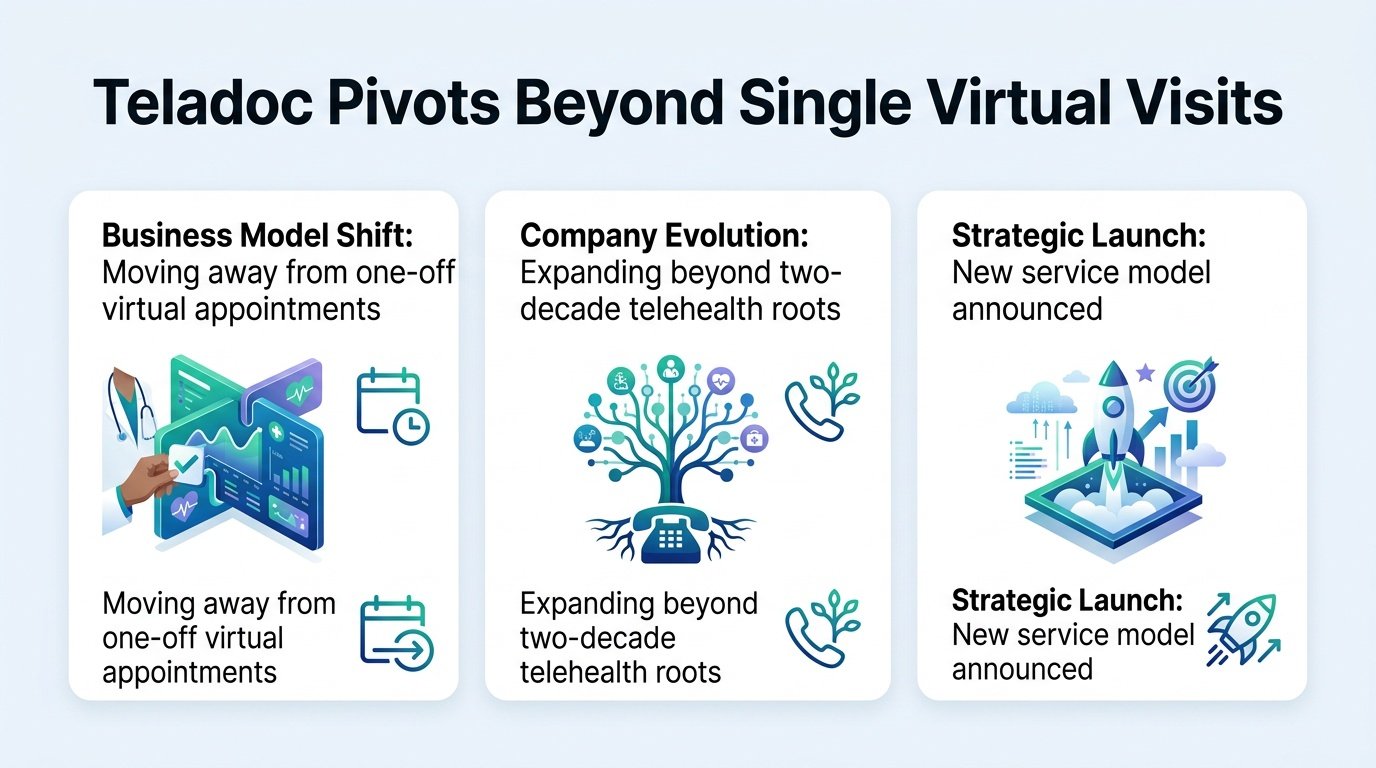
The pioneer of quick-fix telemedicine is admitting that its original business model is no longer enough to survive.
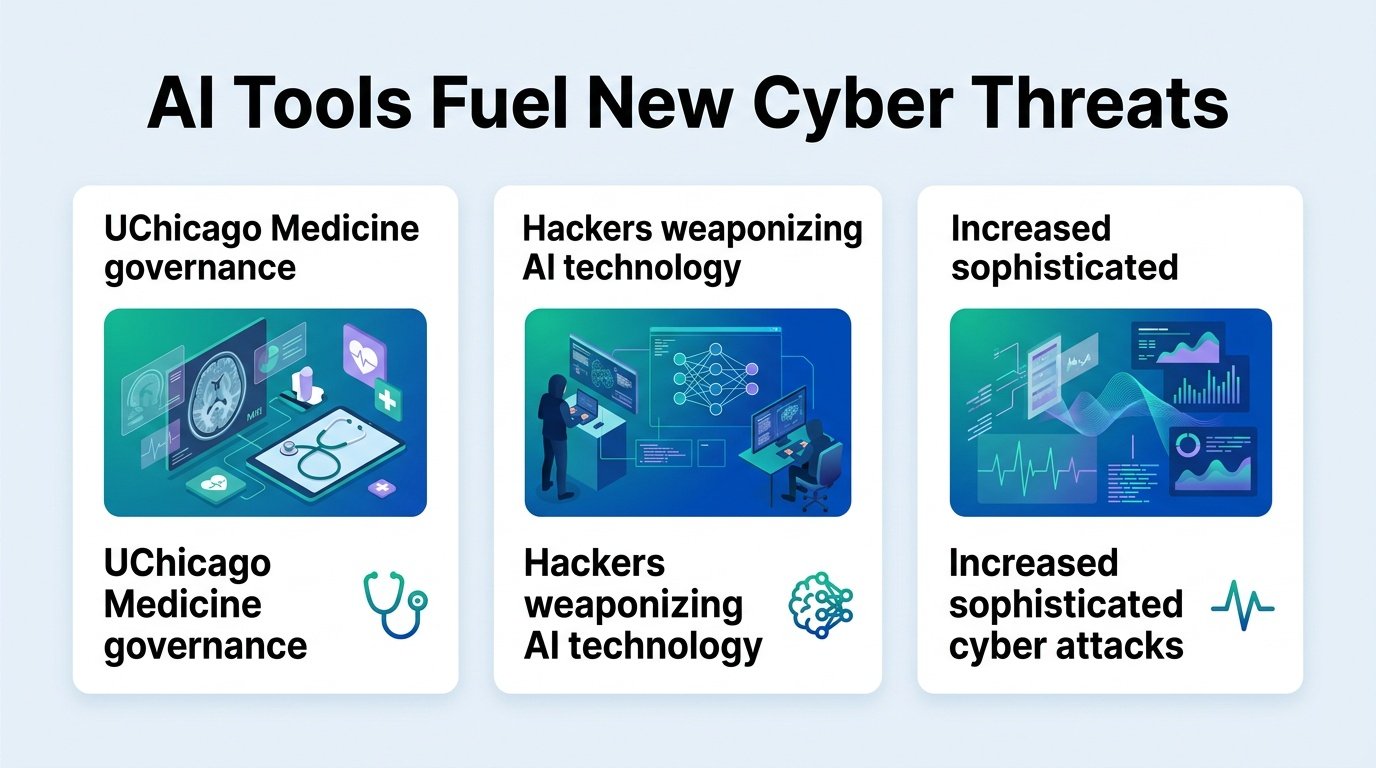
Healthcare is learning a brutal lesson: the artificial intelligence deployed to save lives is the exact same tool hackers are using to endanger them.
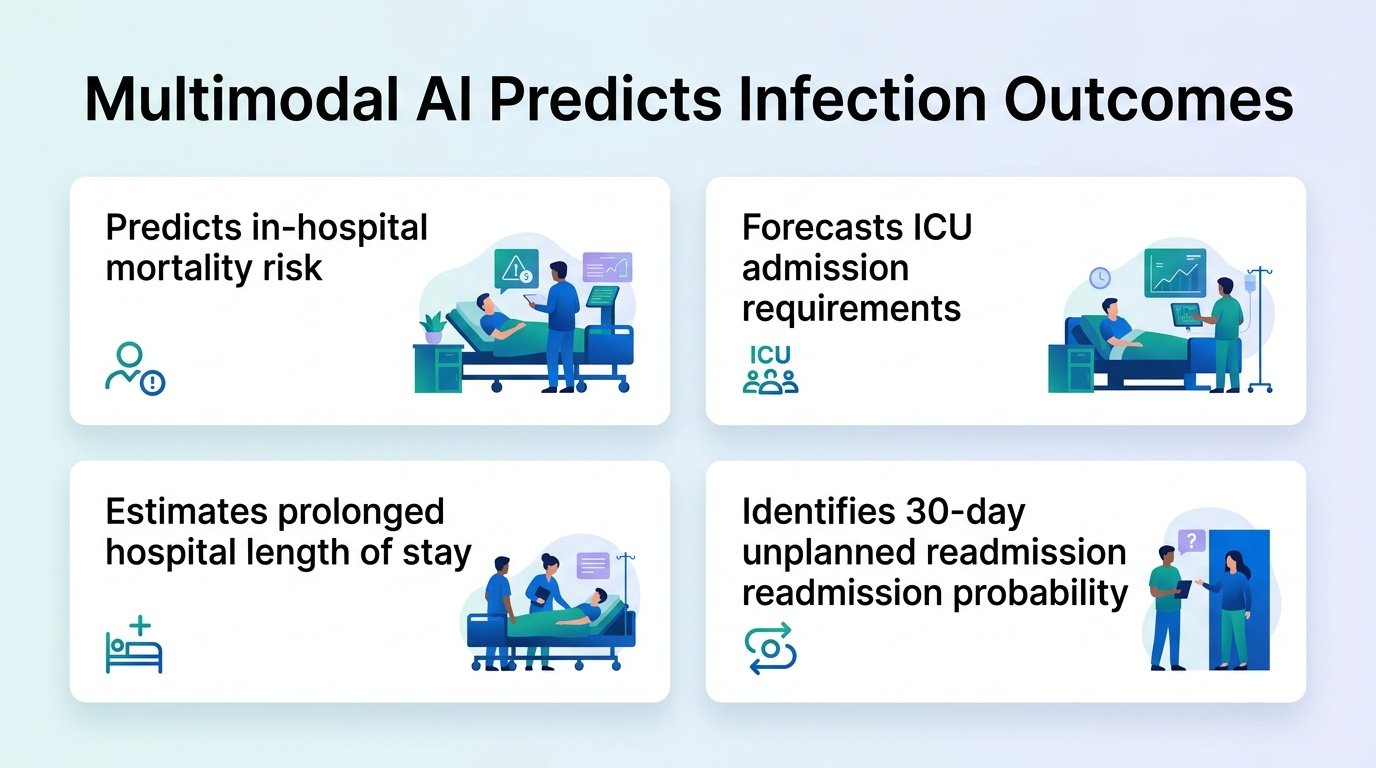
By combining complete electronic health records with bacterial genomes, a new AI platform predicts sepsis outcomes far better than traditional clinical scores.
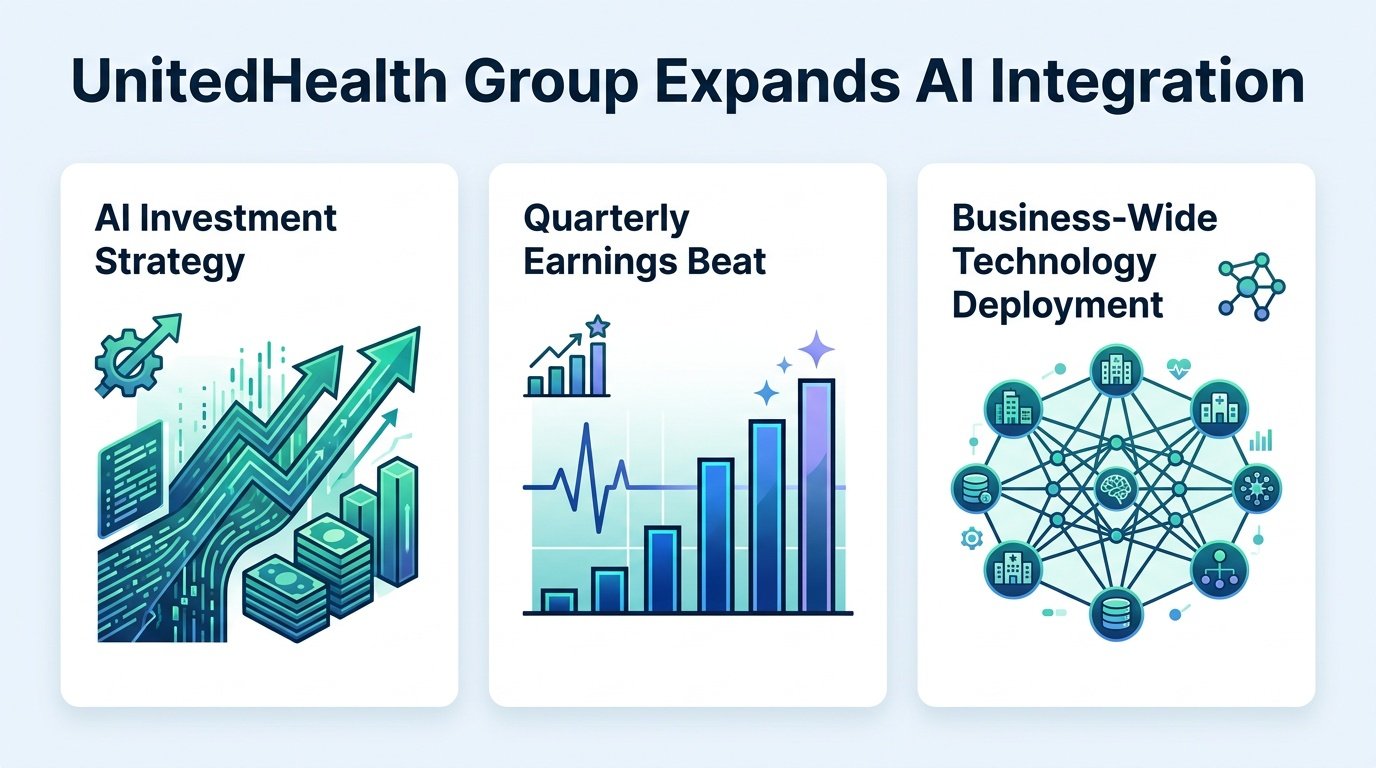
A massive bet on automated healthcare administration is paying off for insurers, but it raises difficult questions about who really wins when algorithms make medical decisions.
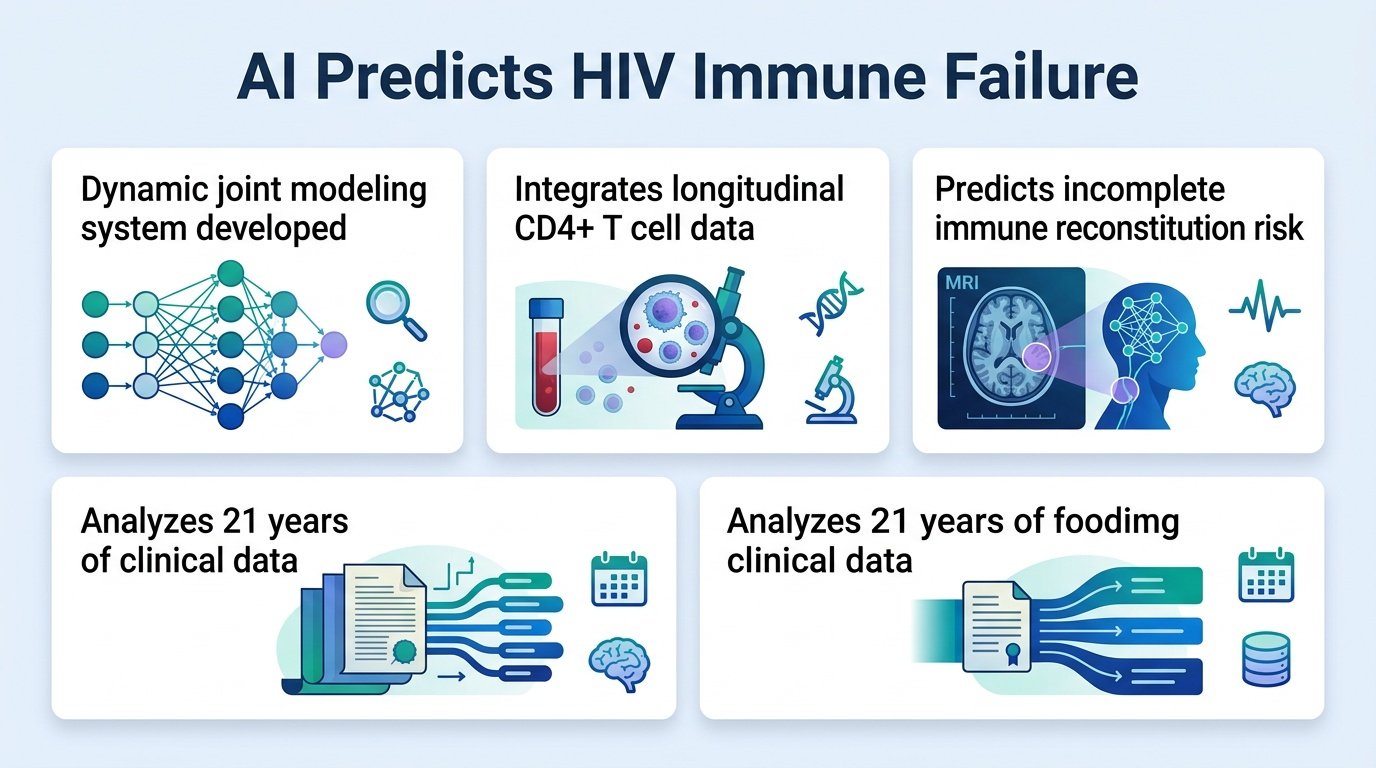
Static blood tests are failing HIV patients who seem healthy on paper but remain at risk of silent immune failure.
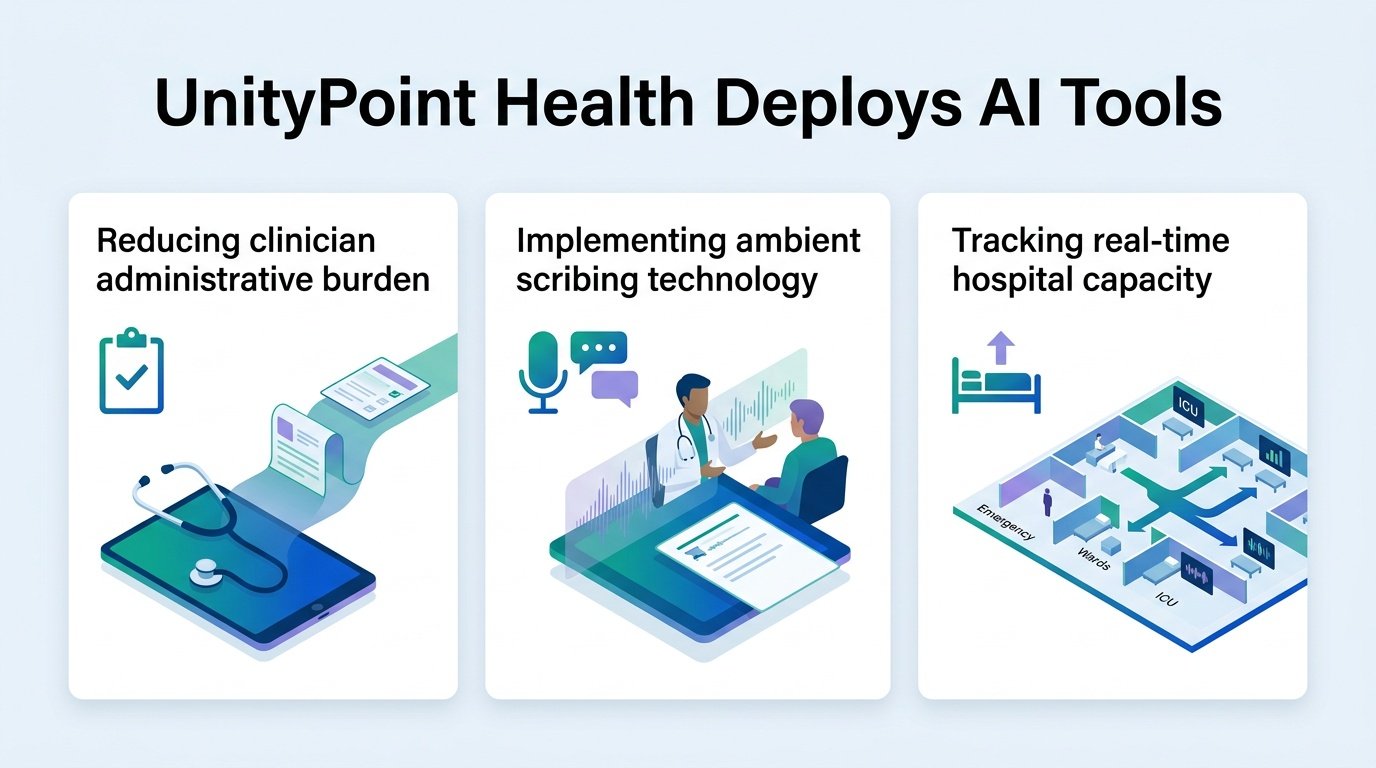
As health systems rush to adopt artificial intelligence, the technology is shifting from a luxury upgrade to a survival tool for burned-out clinicians.
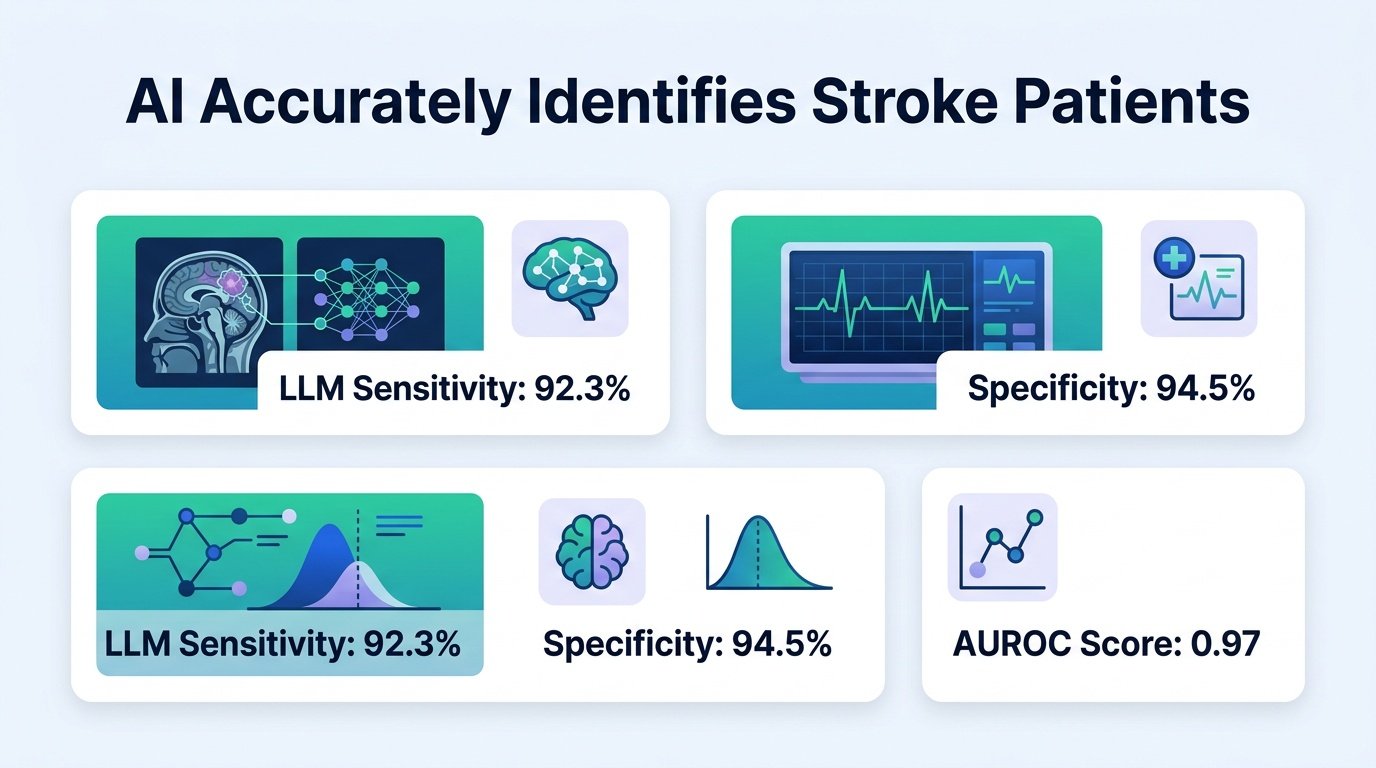
A local language model can flag stroke patients directly from emergency room triage notes, bypassing the need for cloud-based data sharing.
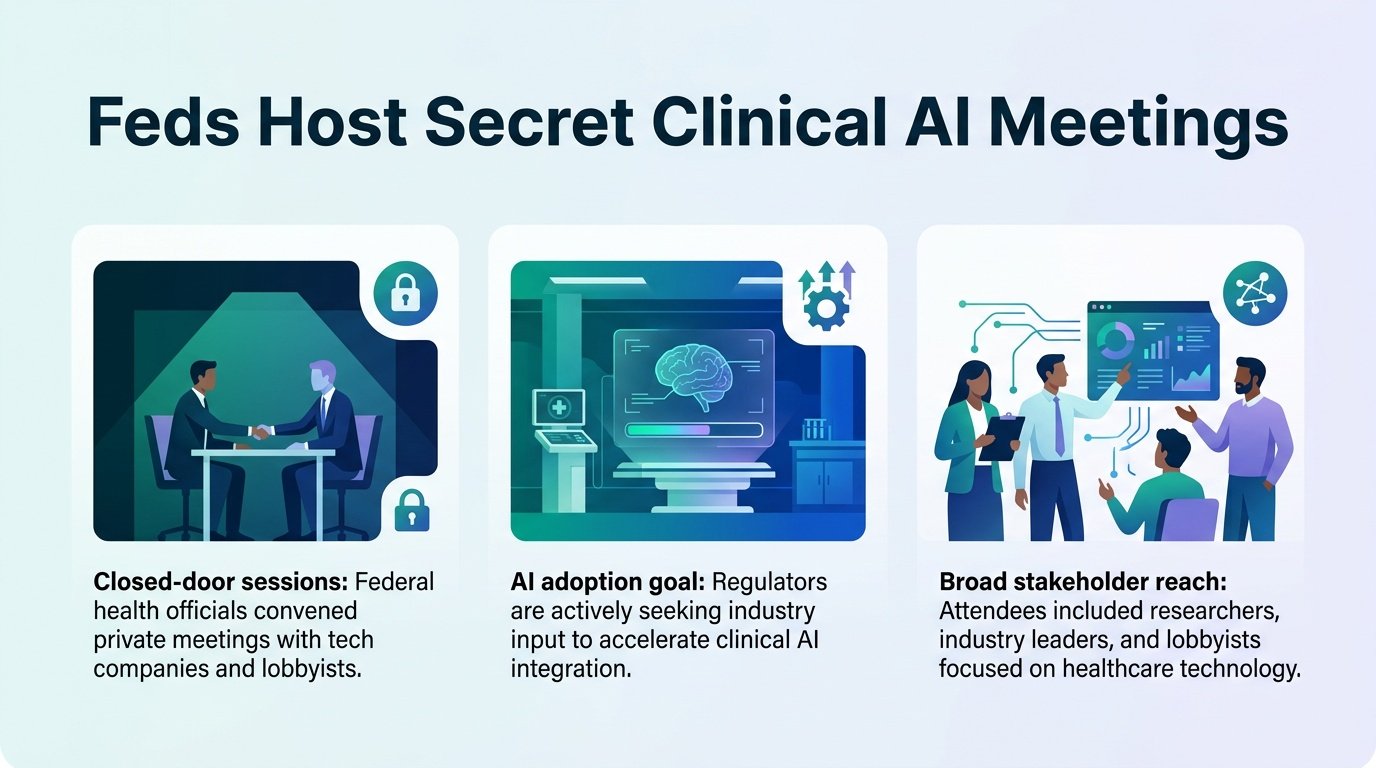
Federal officials are quietly clearing the runway for clinical AI, but their hands-off approach is triggering a chaotic state-level rebellion.
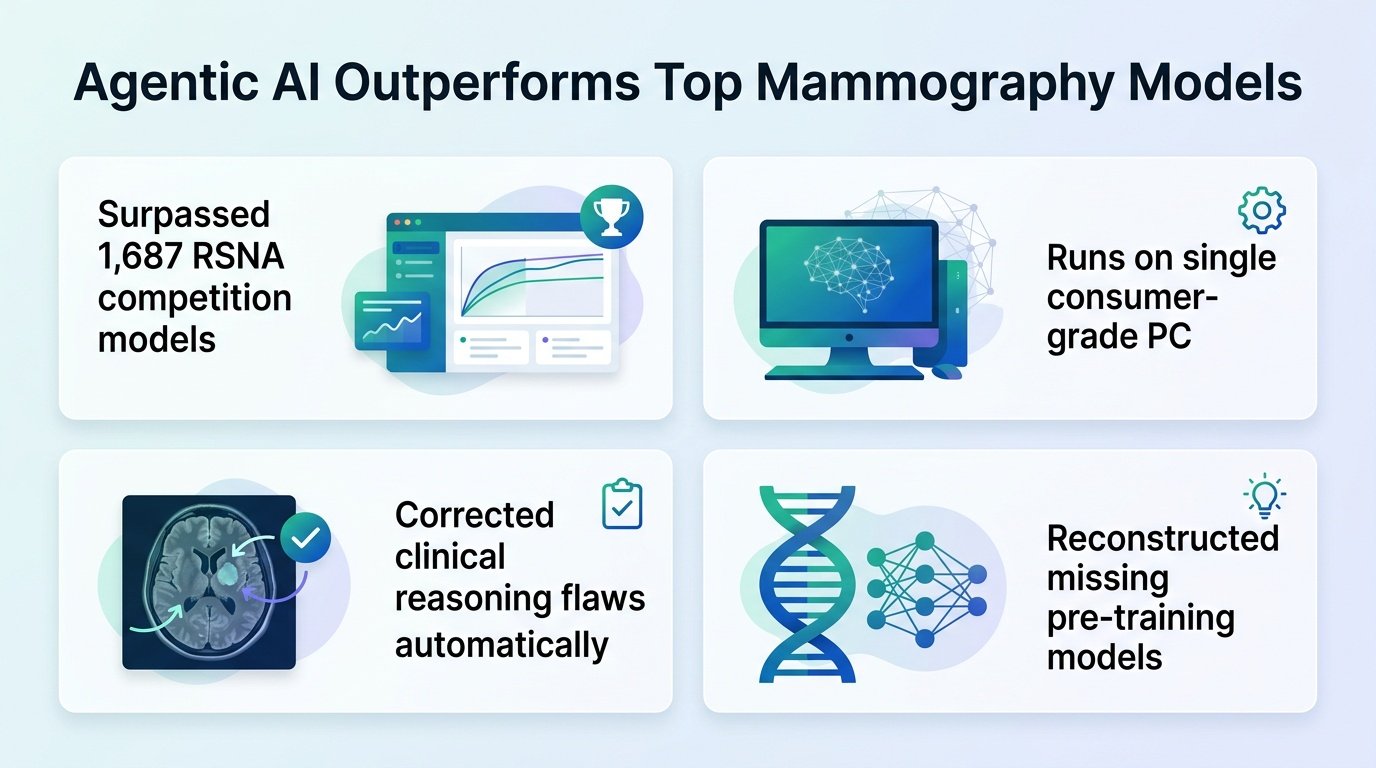
A new study shows that a consumer-grade computer running an LLM agent can build world-class medical AI without elite engineering teams.