
Ideas for building
better health AI.
Research summaries, product thinking and developments at the intersection of health and artificial intelligence.
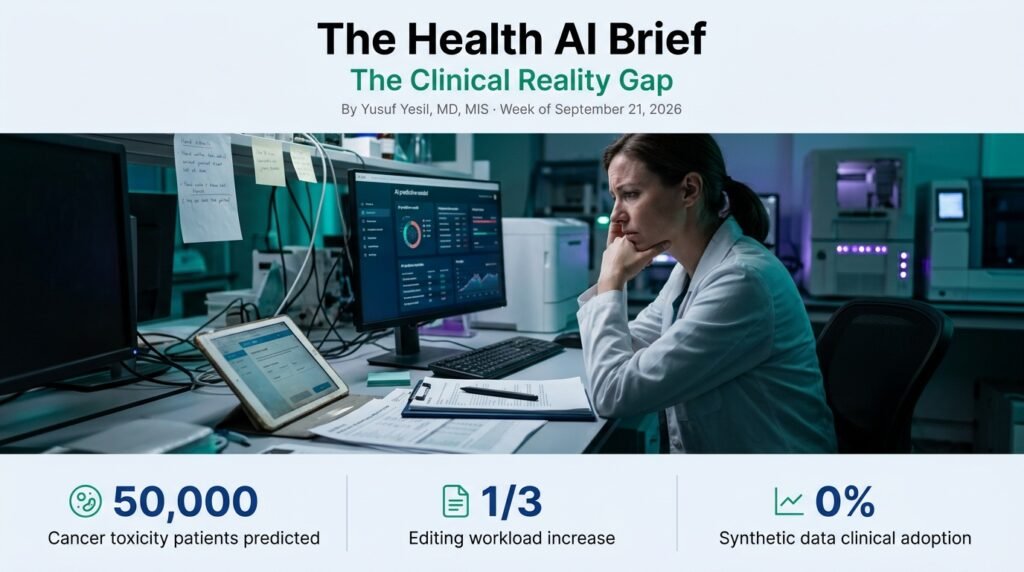
The Health AI Brief — Week of September 21, 2026
Simple AI beats complex models in lung cancer

AI adoption rises but clinicians fear brain drain
As healthcare systems rush to integrate artificial intelligence, the hands-on expertise of doctors and...
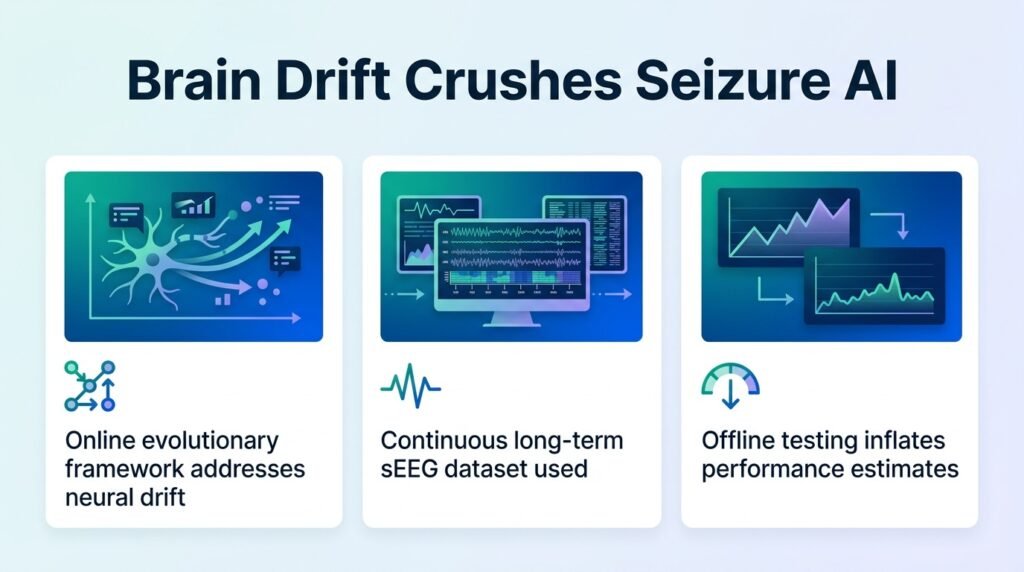
Brain Drift Crushes Standard Seizure AI Models
A major gap exists between how seizure-predicting algorithms perform in lab simulations and how...
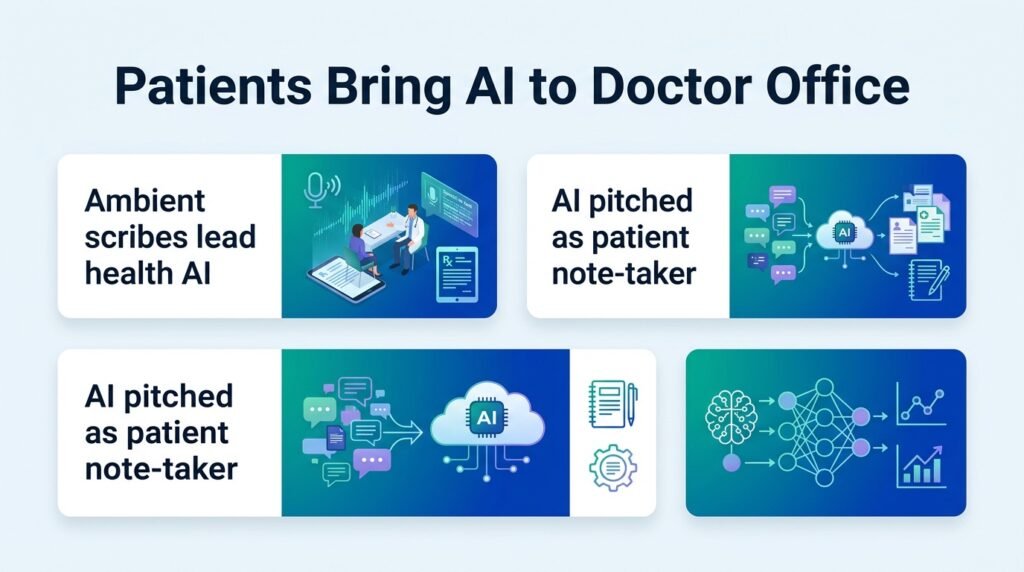
Patients Are Recording Their Doctors With AI
As clinicians adopt artificial intelligence to draft medical notes, patients are quietly deploying their...
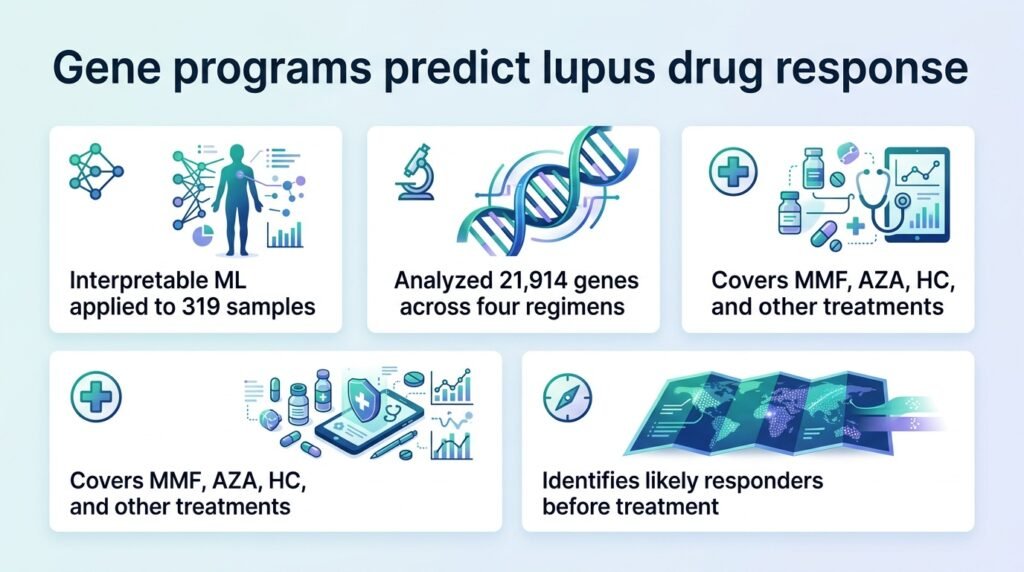
Gene programs predict lupus nephritis drug response
A new machine learning analysis shows that a patient's response to lupus nephritis drugs...
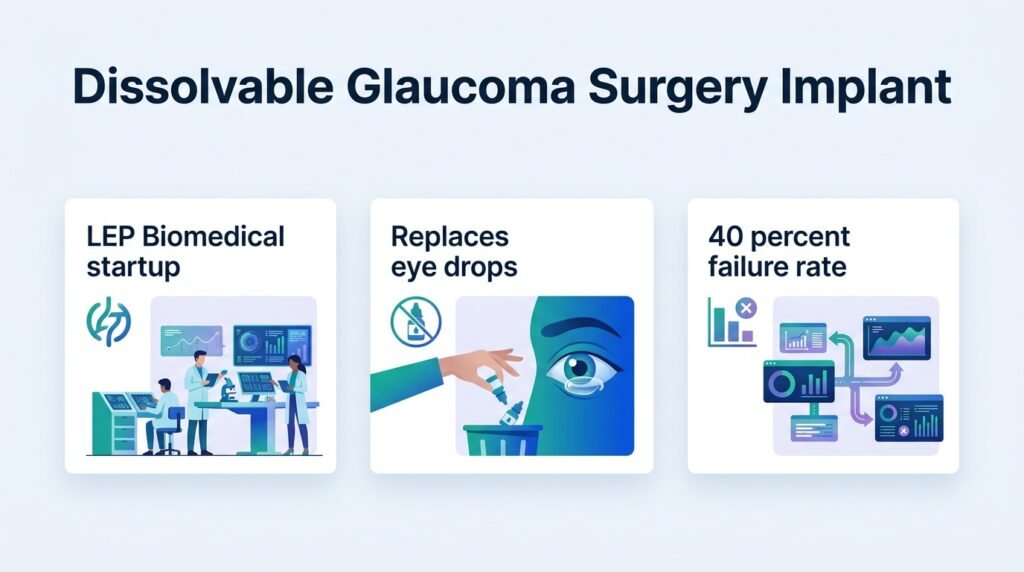
A Dissolvable Implant to Fix Glaucoma Surgery
Glaucoma surgery fails up to forty percent of the time because patients cannot manage...
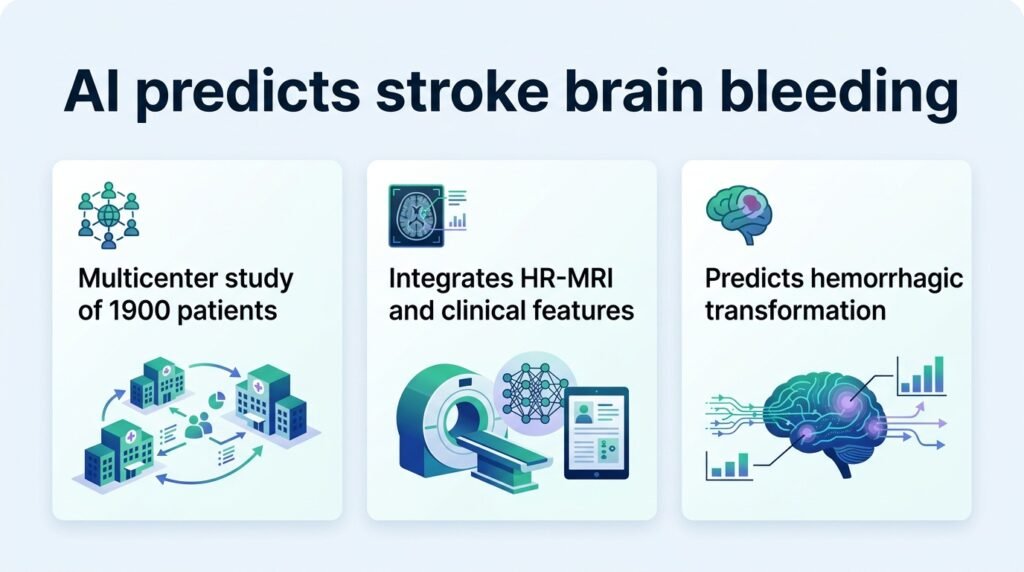
AI predicts brain bleeding after stroke using MRI
A new machine learning model shows that combining high-resolution MRI with clinical data can...

Why Patient Portals Are Failing Security
When patient portals become the perfect disguise for cybercriminals, health systems must realize that...
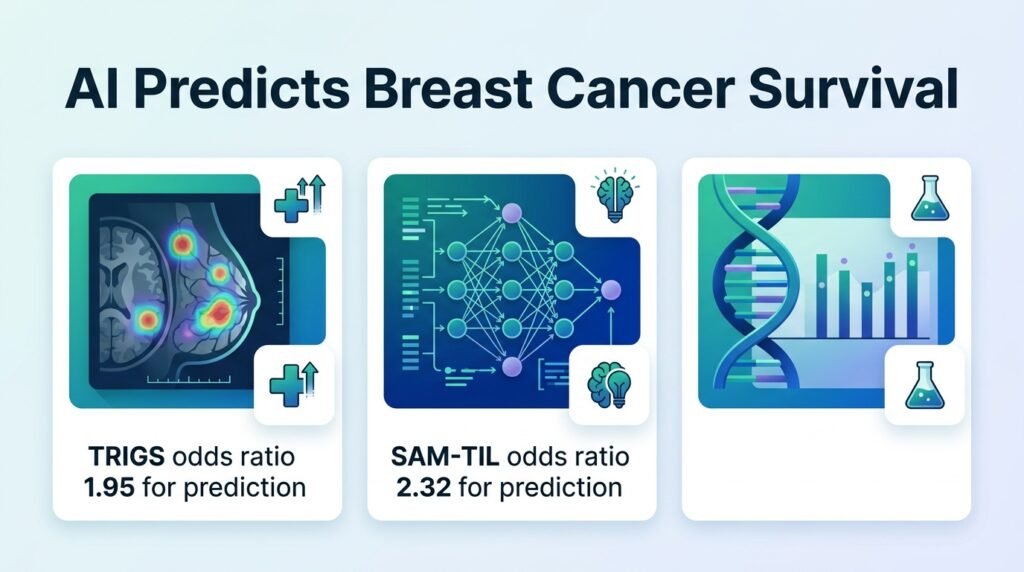
AI predicts breast cancer survival without mimicking pathologists
New clinical data shows that AI models do not need to mimic human pathologists...
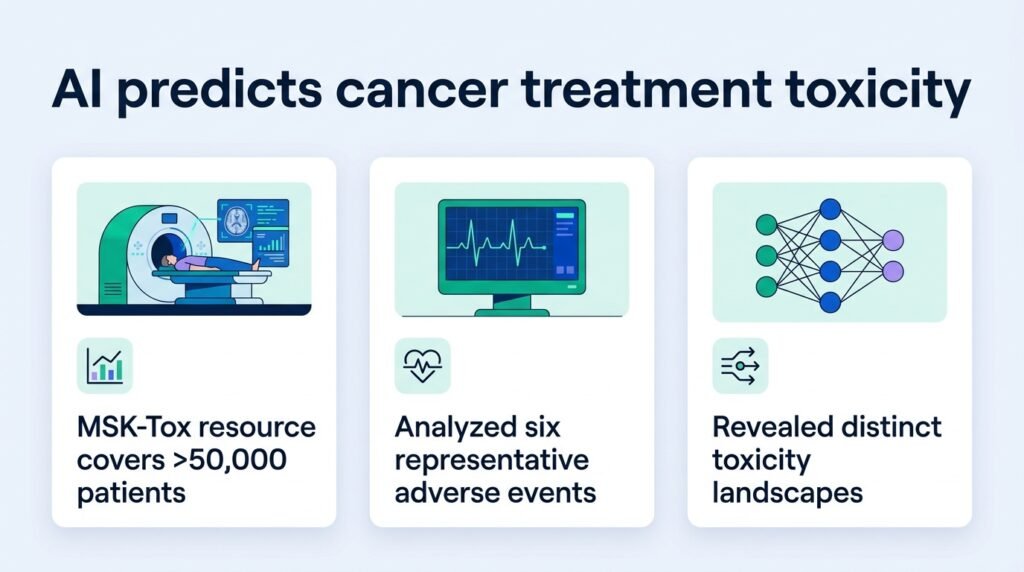
AI predicts which cancer patients face severe toxicity
A new AI-driven analysis of 50,000 patients reveals that severe cancer treatment side effects...
A Leaked Poster Shakes AI Drug Valuation
A premature data leak reveals that in AI drug development, information control is just...
AI discharge tools make doctors write slower
A new study reveals that while clinicians believe AI saves them time on discharge...