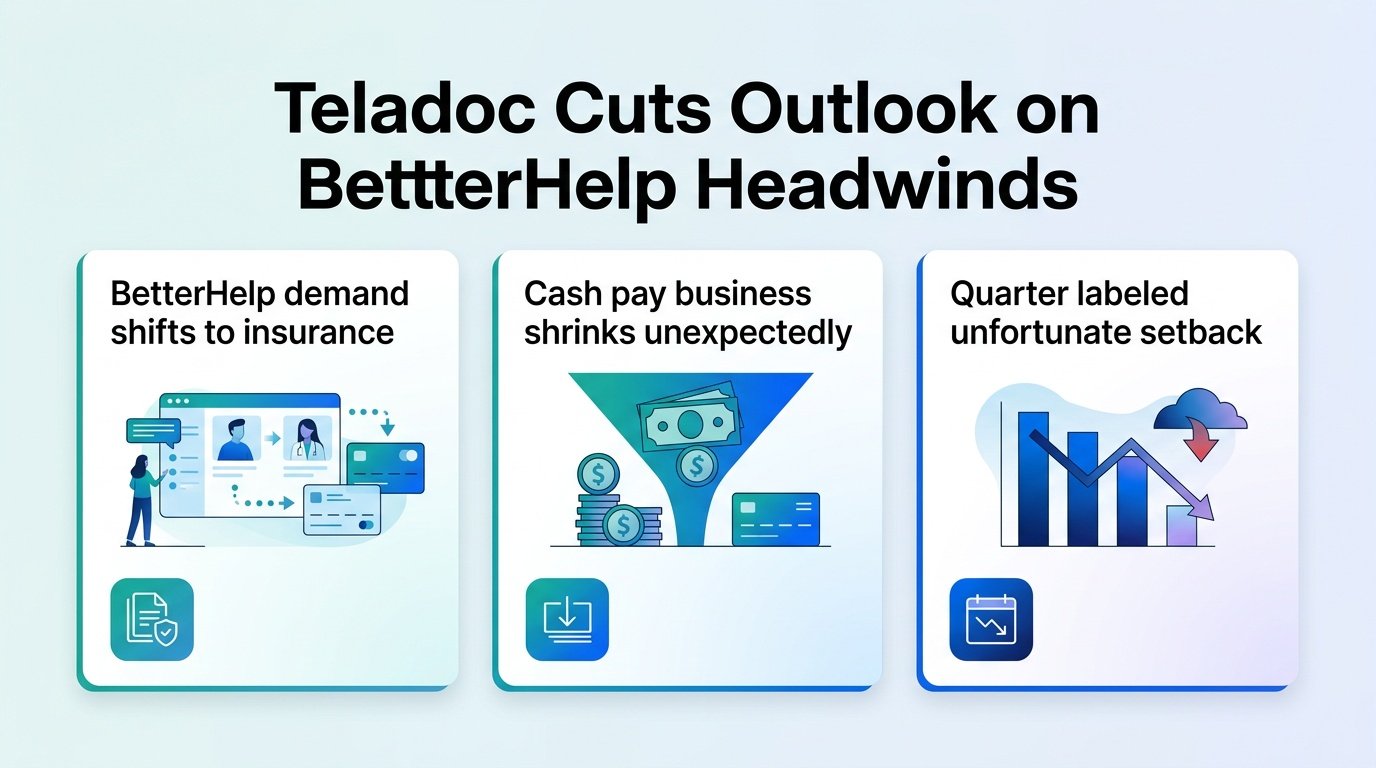
The High Cost of Insurance Covered Therapy
Digital health giants are discovering that giving consumers what they want—insurance-covered therapy—might actually break their business models.

Digital health giants are discovering that giving consumers what they want—insurance-covered therapy—might actually break their business models.
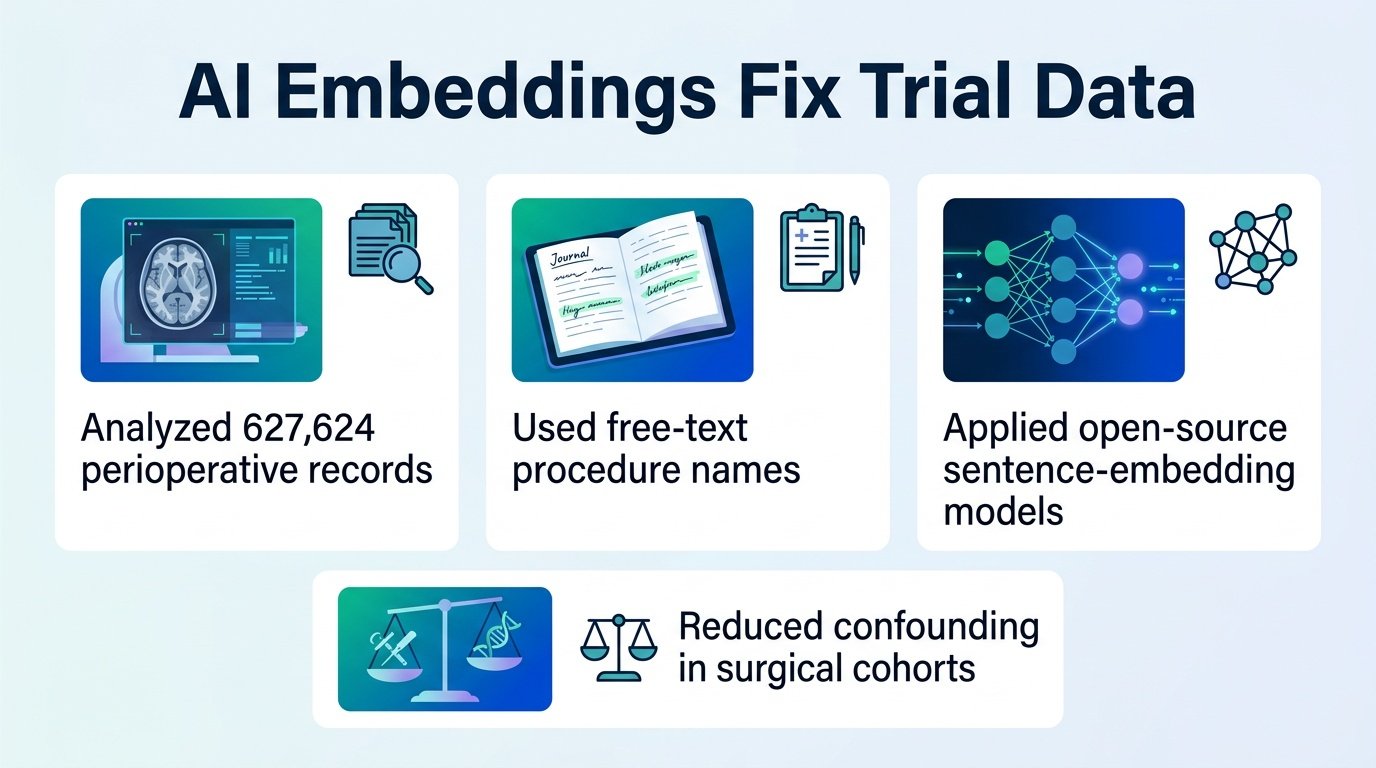
Using AI to analyze free-text surgery names could finally make cheap observational health data as reliable as gold-standard clinical trials.
A major digital health player is trying to buy its way to an IPO by merging physical and mental care.
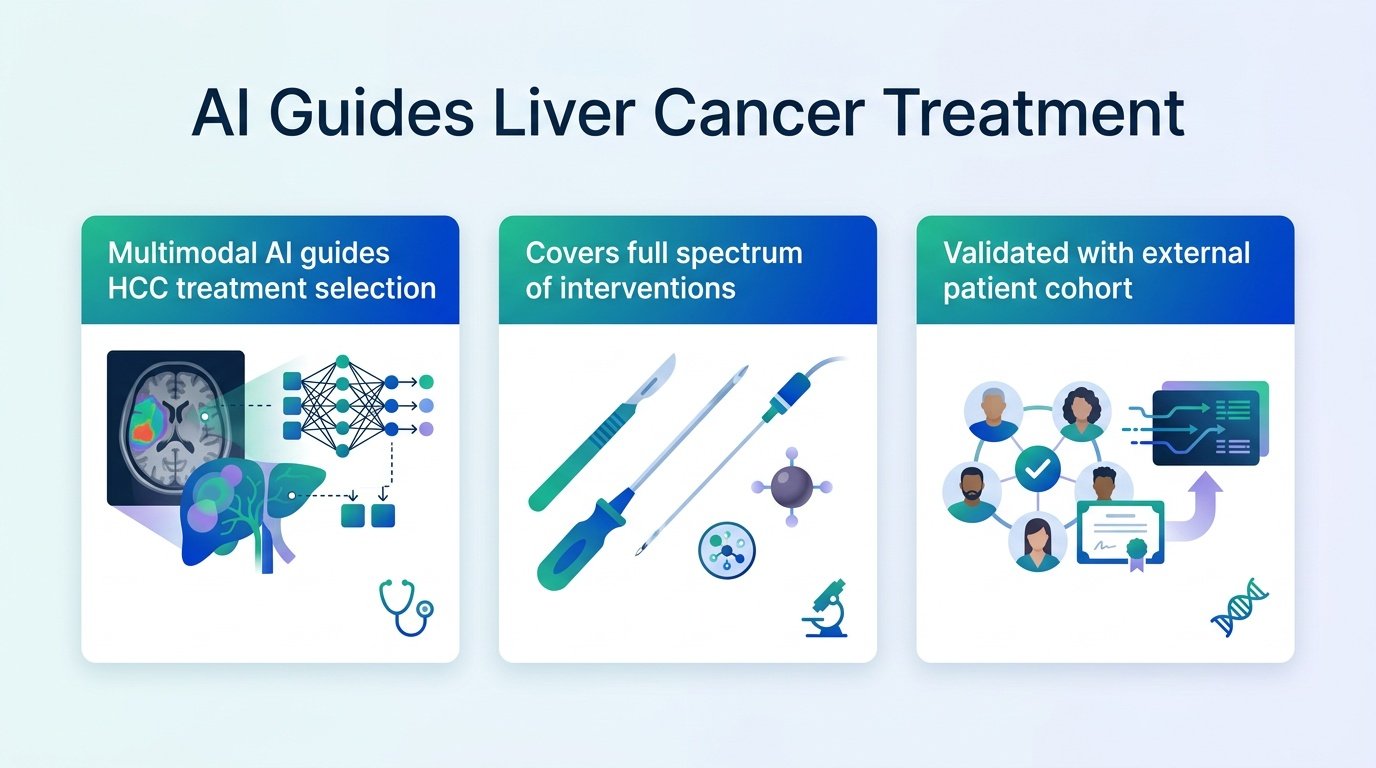
A new AI model proves that the messy, unformatted text in patient charts is actually the most valuable tool for choosing liver cancer therapies.
Reusing existing patient data can catch chronic lung disease long before patients end up in the emergency room.
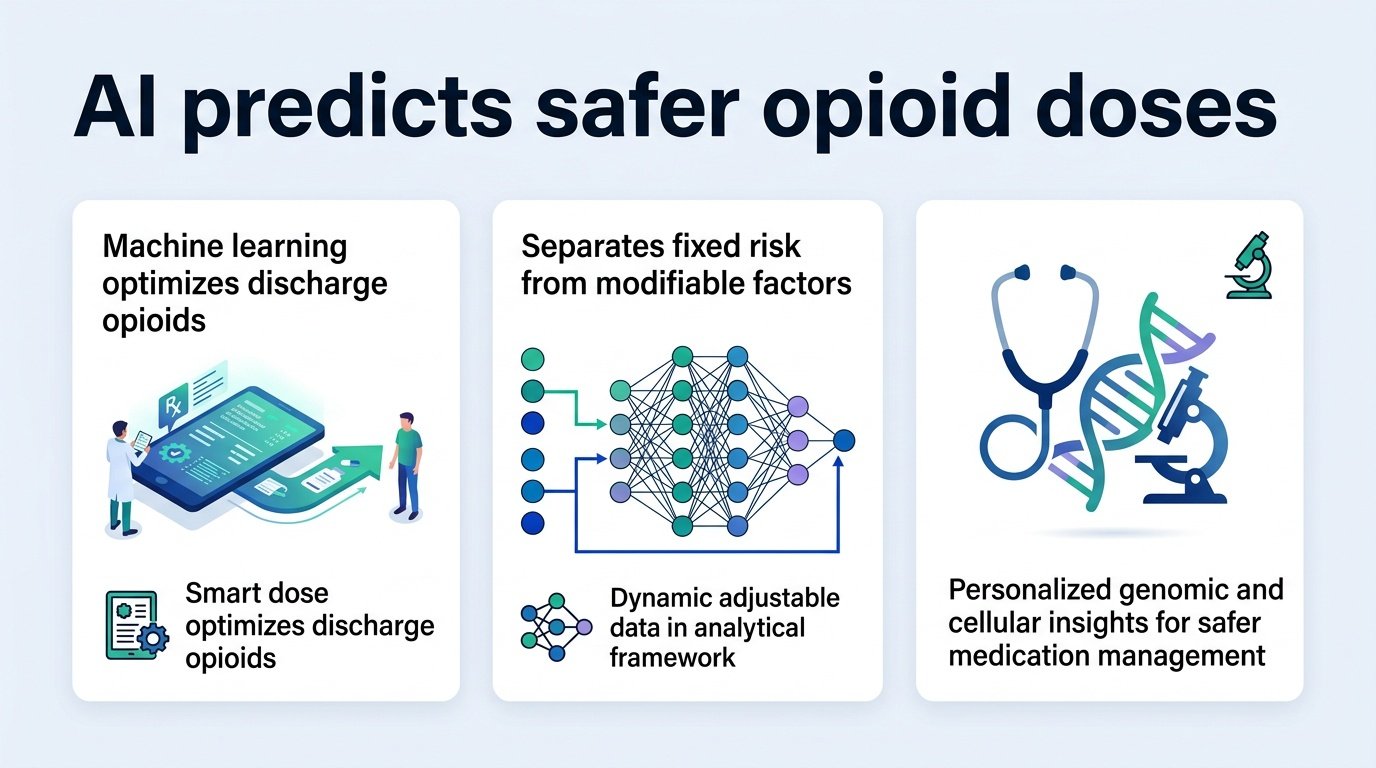
A new AI model separates what doctors cannot change from what they can, offering a blueprint for safer postoperative prescribing.
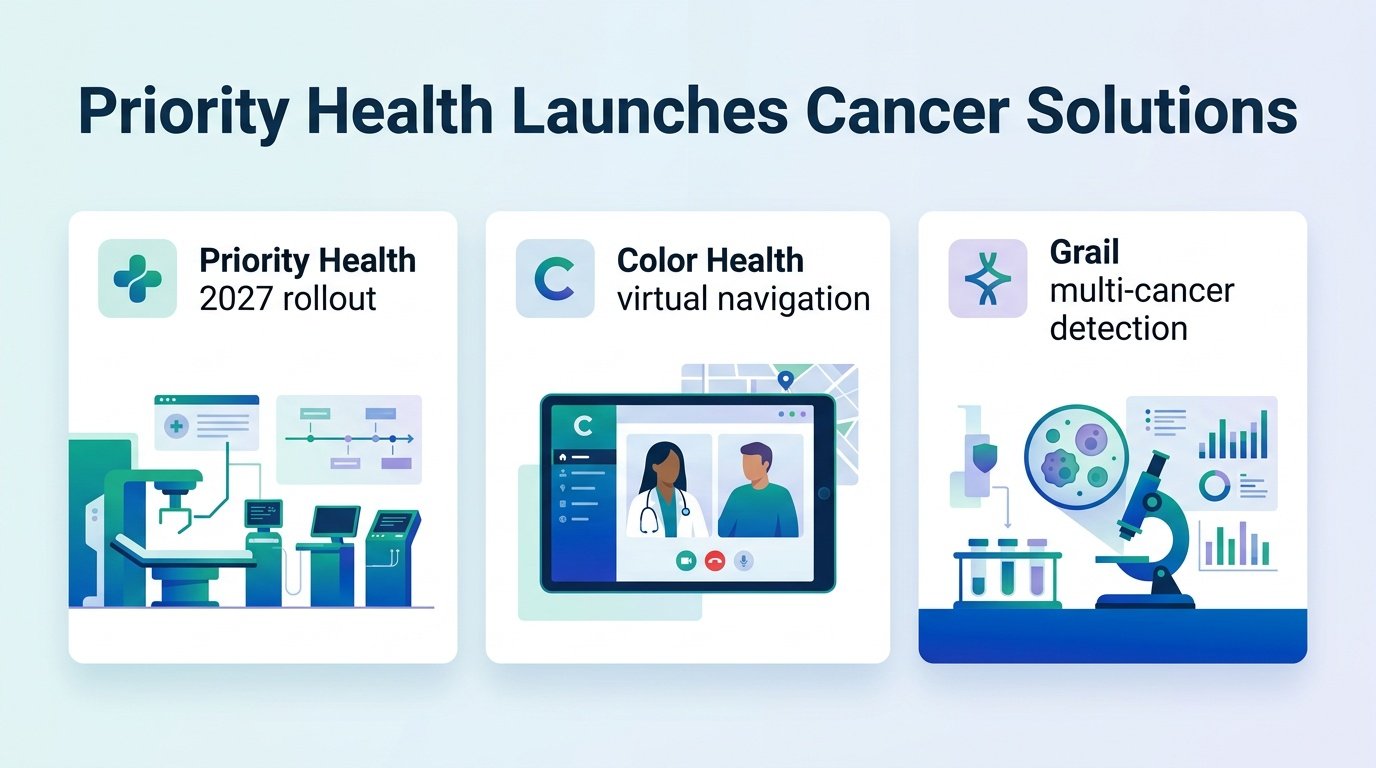
As cancer costs threaten to balloon by a third, insurers are bypassing traditional clinics to put advanced screening directly into the workplace.
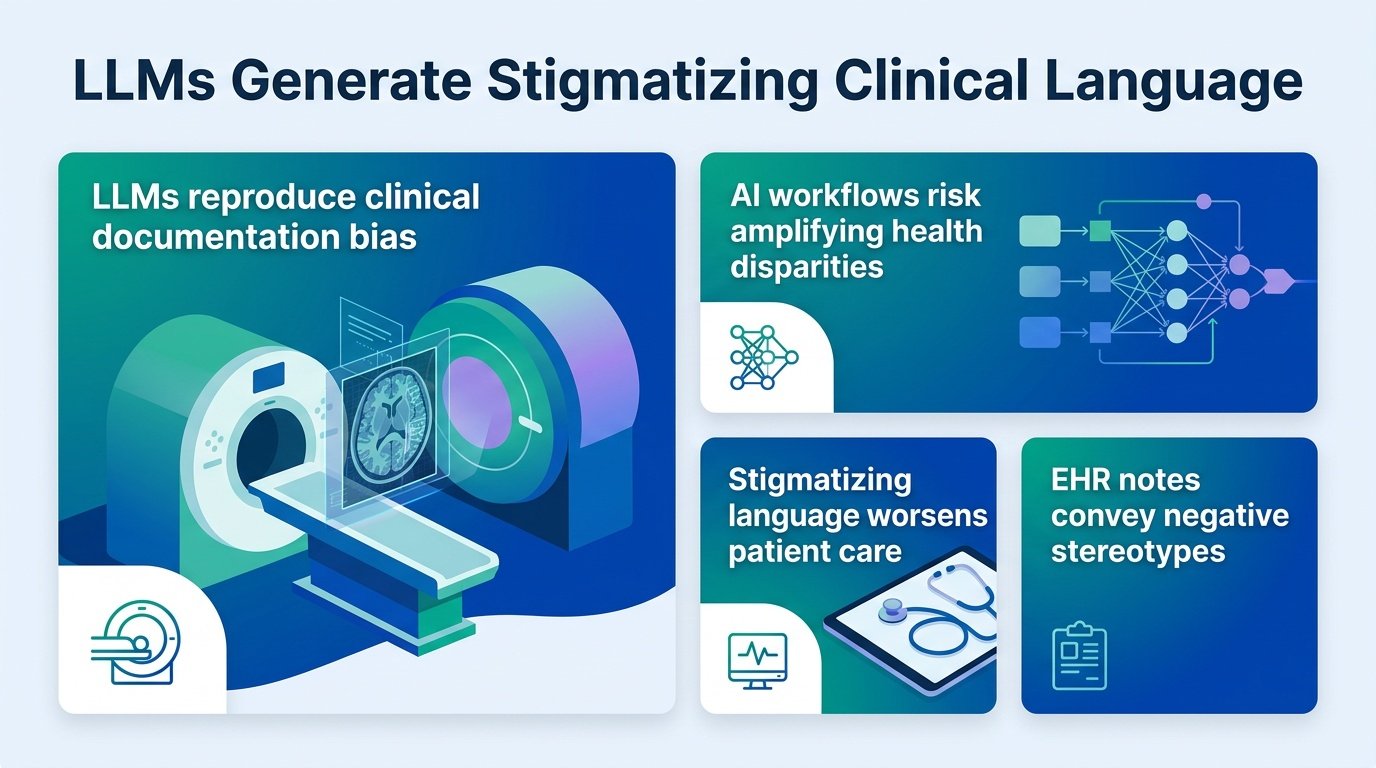
Large language models trained to think through clinical decisions are actively generating and amplifying biased language that could compromise patient care.
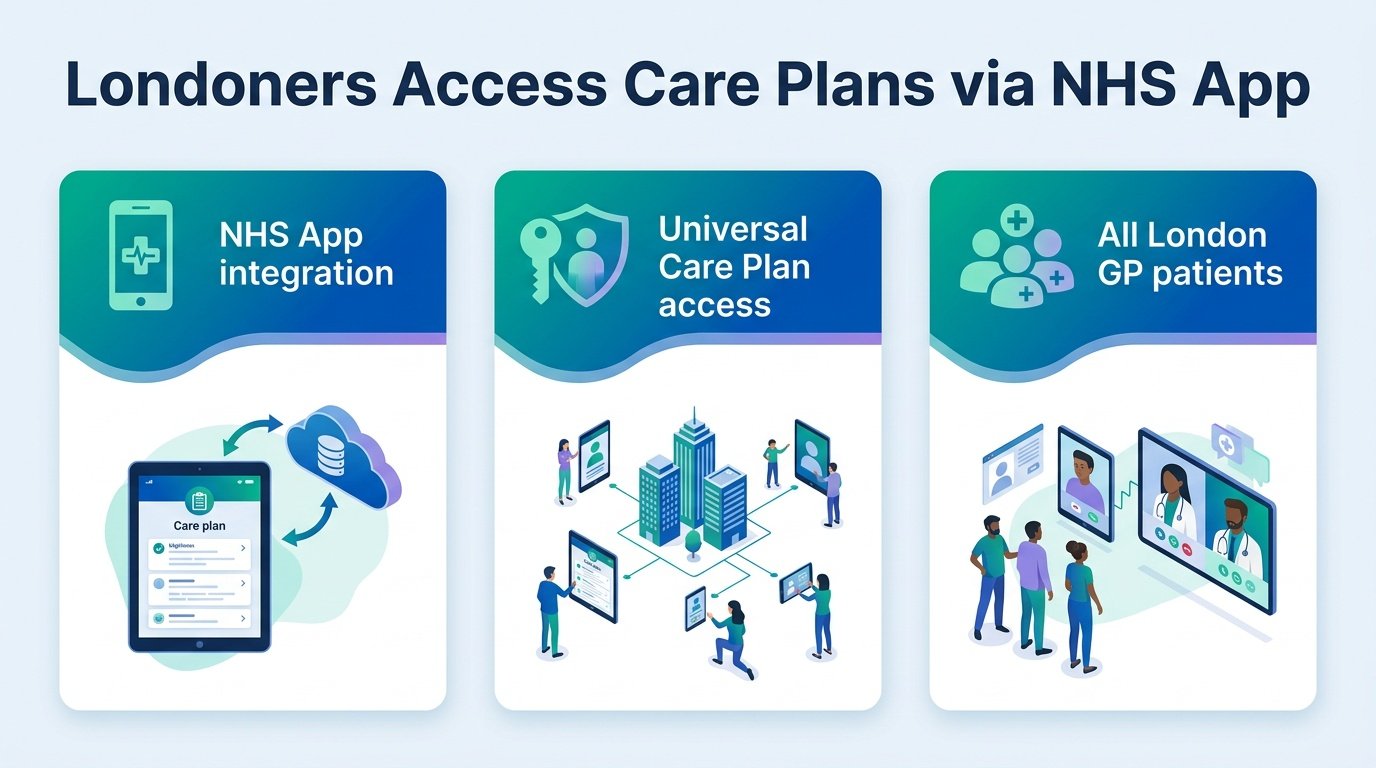
Giving patients direct control over their digital care plans shifts the power dynamic in emergency medicine, but its success hinges entirely on system-wide integration.
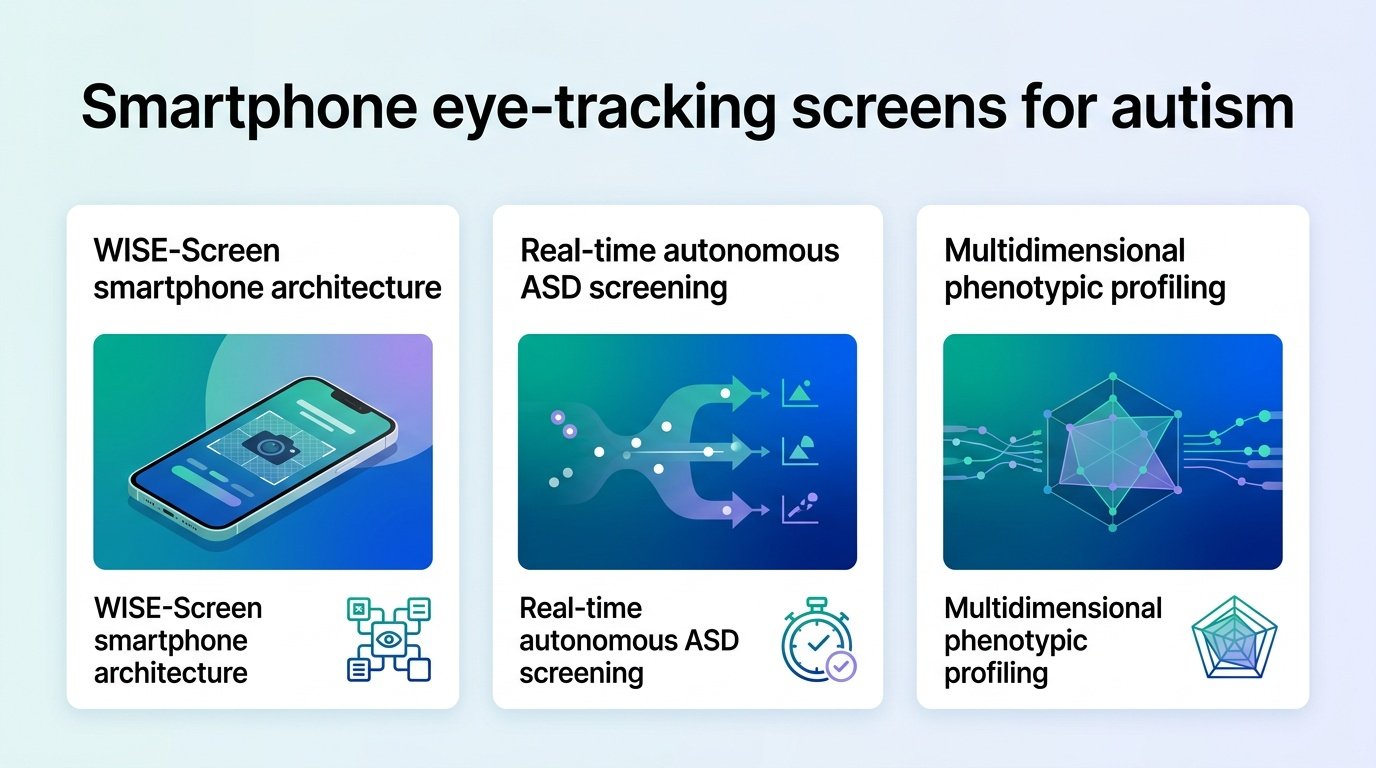
A new smartphone eye-tracking tool could bypass long clinic waitlists by screening children for autism at home.