Yusuf Yesil, MD, MIS
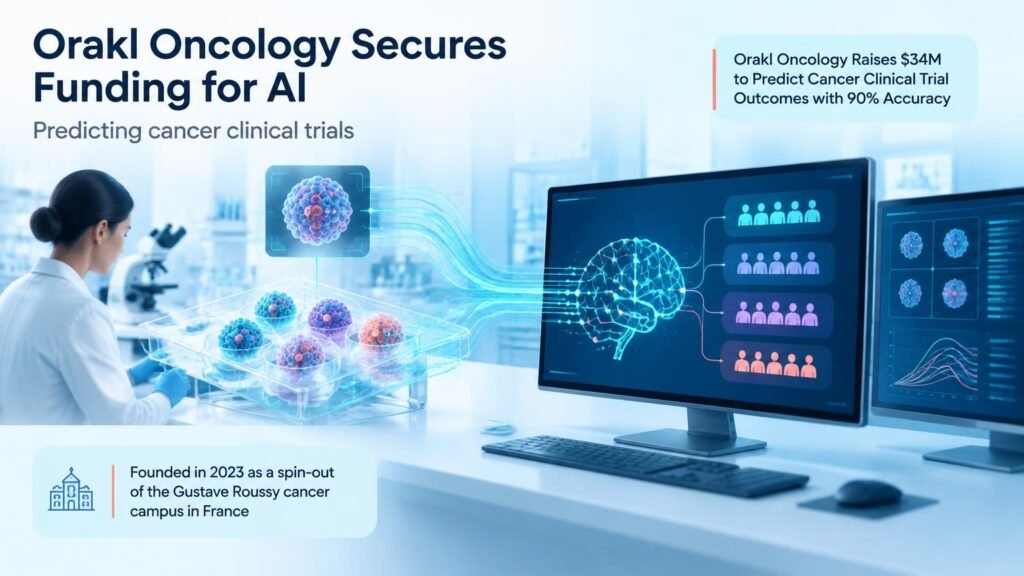
Cancer drug development suffers from a massive failure rate, costing billions in failed clinical trials. Orakl Oncology raised $34 million to solve this by pairing patient-derived tumor organoids with machine learning models. The goal is to build virtual patient cohorts that predict drug responses before human testing begins.
Retrospective Proof Limits
The company claims a 90% accuracy rate in predicting drug responses. However, that figure rests on retrospective preprint data rather than prospectively validated clinical trials. Historical matches do not guarantee success when predicting novel drug candidates in live human populations.
Scaling Beyond the Lab
The fresh funding aims to expand the platform from colorectal and pancreatic cancers into lung and gastric malignancies. A partnership with Sanofi will test the technology on four active oncology assets. This will serve as an early indicator of whether biological AI models can truly reduce late-stage trial risk.
Lab organoids capture tumor biology better than static genomic databases, but they remain an incomplete proxy for complex human immune systems. Drug developers should view organoid-AI platforms as filtering mechanisms for early pipelines, not direct replacements for traditional phase I and II safety trials.