Putting continuous glucose monitors on toddlers without diabetes risks turning normal childhood eating into a source of medical anxiety.
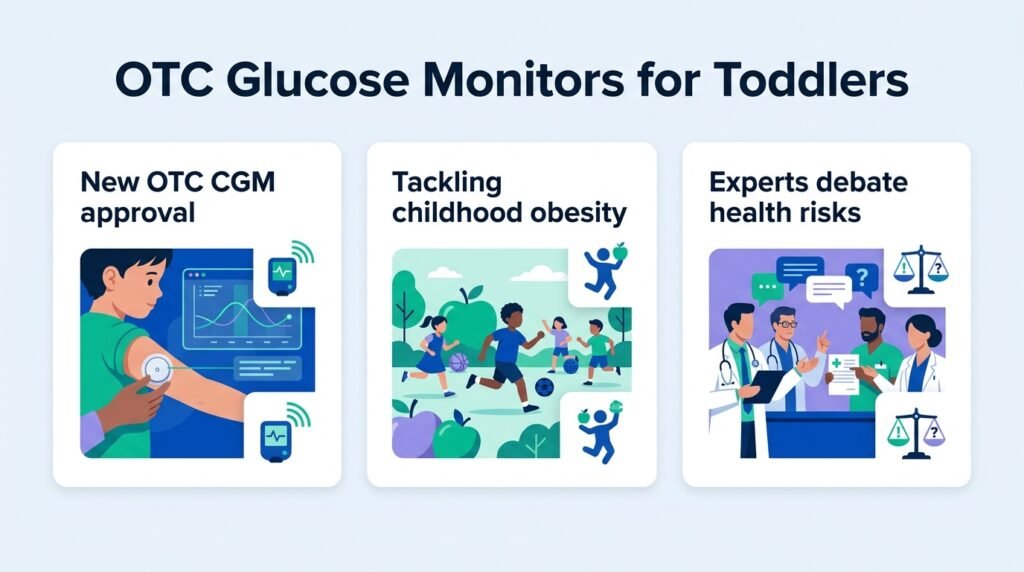
The FDA recently cleared the first over-the-counter continuous glucose monitor for children as young as two who do not use insulin. While proponents pitch this as a vital tool to combat rising pediatric prediabetes and childhood obesity, this regulatory milestone exposes a deeper tension in digital health. We are now prescribing clinical surveillance to healthy toddlers. By bypassing the doctor’s office, these consumer devices place clinical-grade data directly into the hands of untrained parents.
The commercial push to track every biomarker has officially reached the nursery. But more data does not automatically equal better health.
The anxiety trap
Tracking glucose makes sense for managing diabetes. But applying it to healthy children introduces significant psychological and behavioral risks.
Pediatricians warn that constant data streams can fuel intense parental anxiety. This anxiety often leads to unnecessary dietary restrictions. Parents might cut out healthy fruits or whole grains because of normal, non-clinical post-meal spikes.
We risk fostering obsessive behaviors around eating before a child even learns to read.
Data without context
A toddler’s body is not a miniature adult body. Their metabolic rates and activity levels fluctuate wildly throughout the day.
The market is moving faster than the clinical consensus. We are deploying powerful diagnostic tools without clear guidelines on what “normal” glucose even looks like in a healthy two-year-old. Without professional guidance, raw glucose data is easily misinterpreted. A spike after eating a piece of fruit is a normal physiological response, not a medical crisis.
If these wellness tools turn healthy children into patients, the digital health industry has lost its way. Technology should complement professional medical guidance, not replace it.