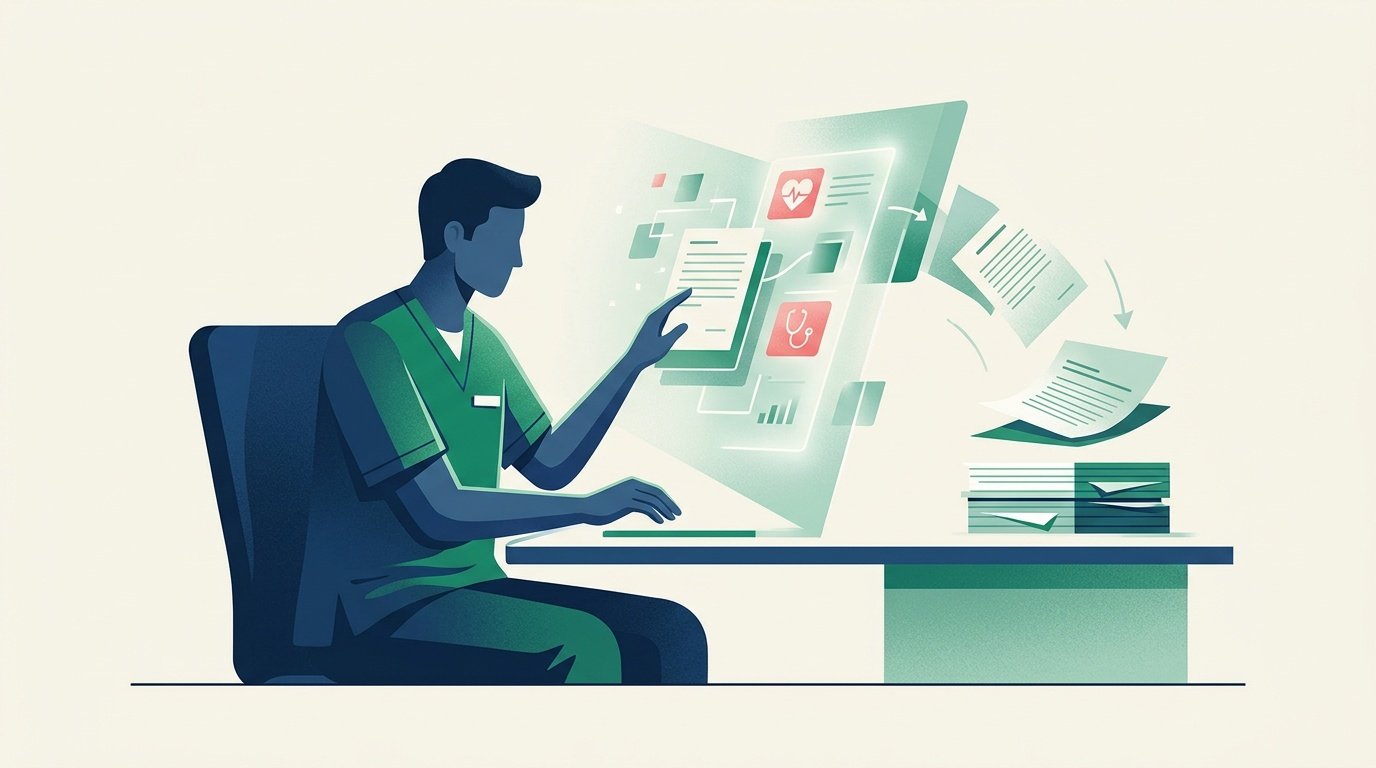
NHS Bets Big on Microsoft Copilot
A massive bet on administrative AI will test whether digital tools can actually rescue overburdened clinicians from paperwork.

A massive bet on administrative AI will test whether digital tools can actually rescue overburdened clinicians from paperwork.
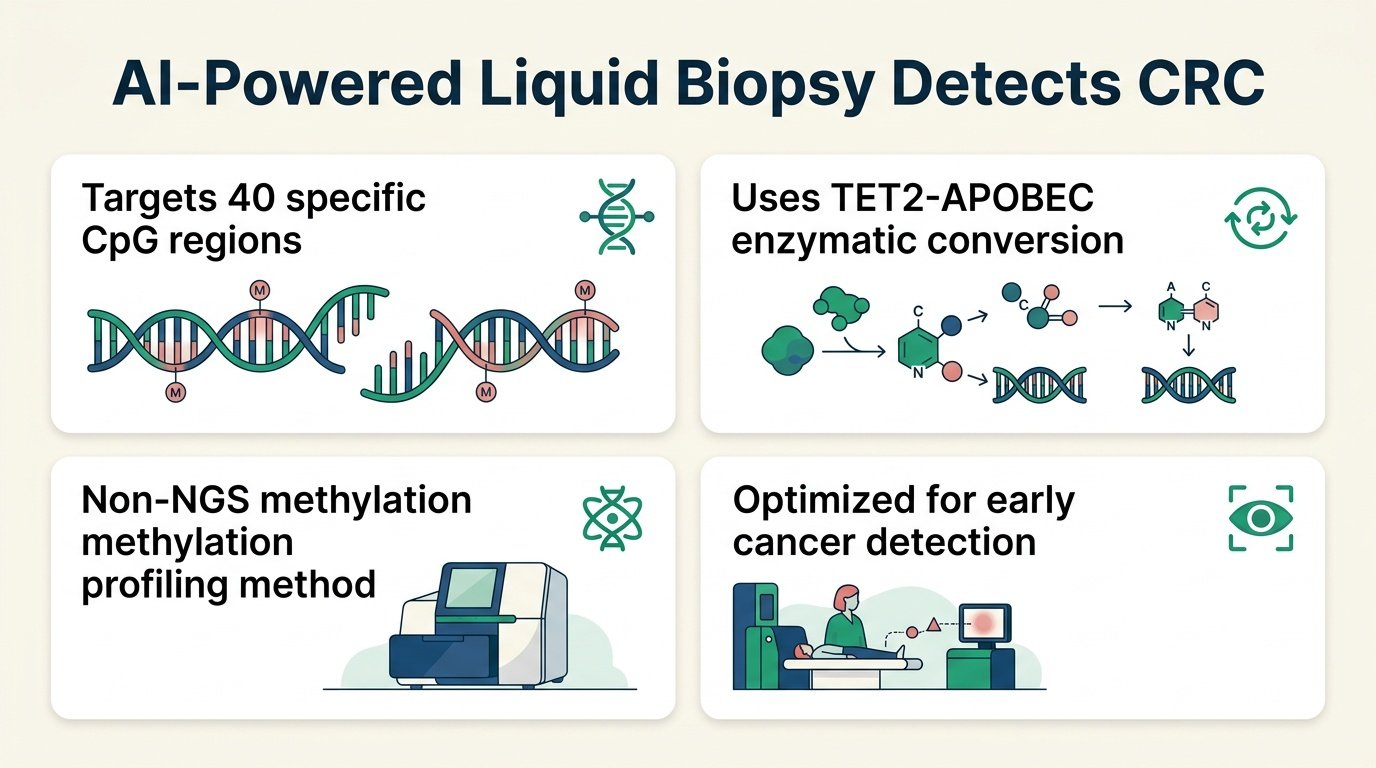
By ditching expensive gene sequencing for a simpler neural network and qPCR setup, researchers may have found a way to make early cancer screening practical for local clinics.
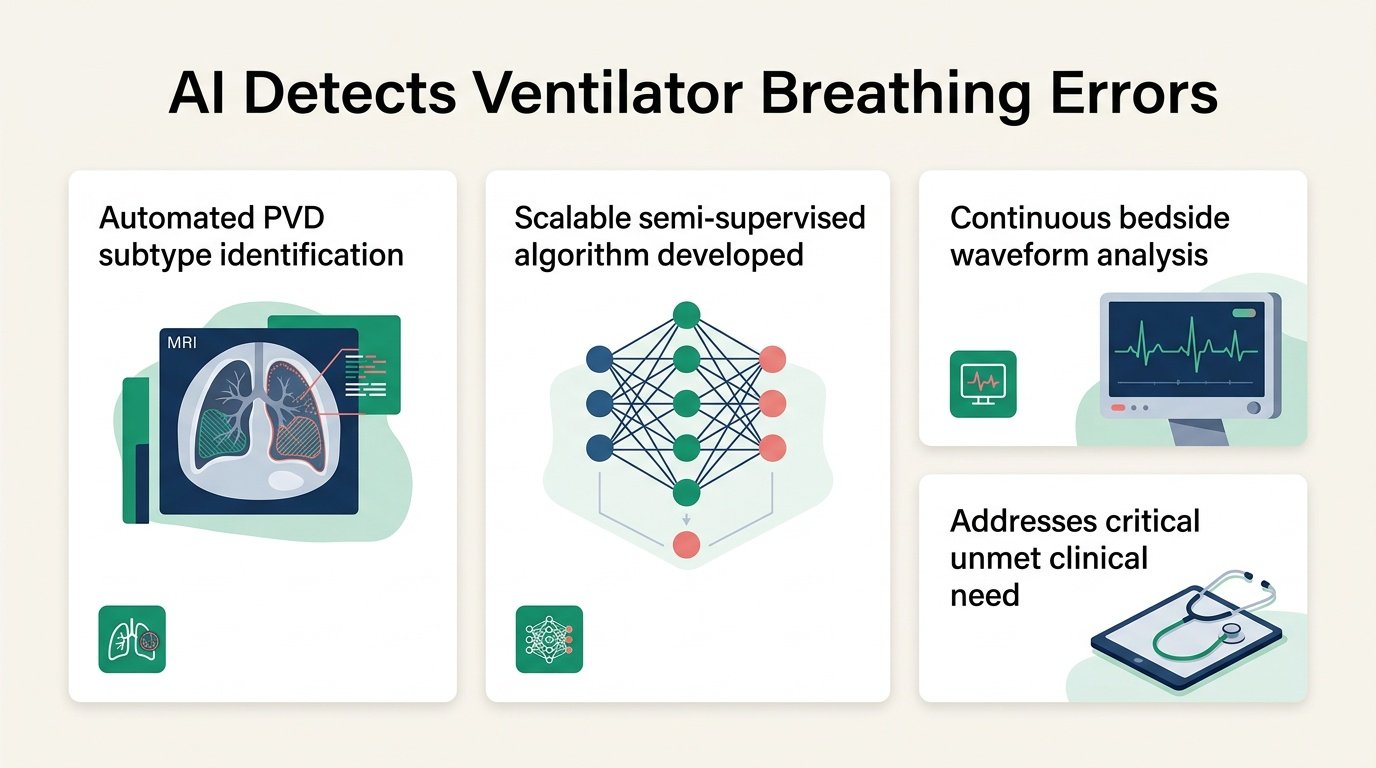
A new machine learning pipeline proves that algorithms can label millions of breathing mismatches without losing accuracy, bypassing the human expert bottleneck in intensive care.
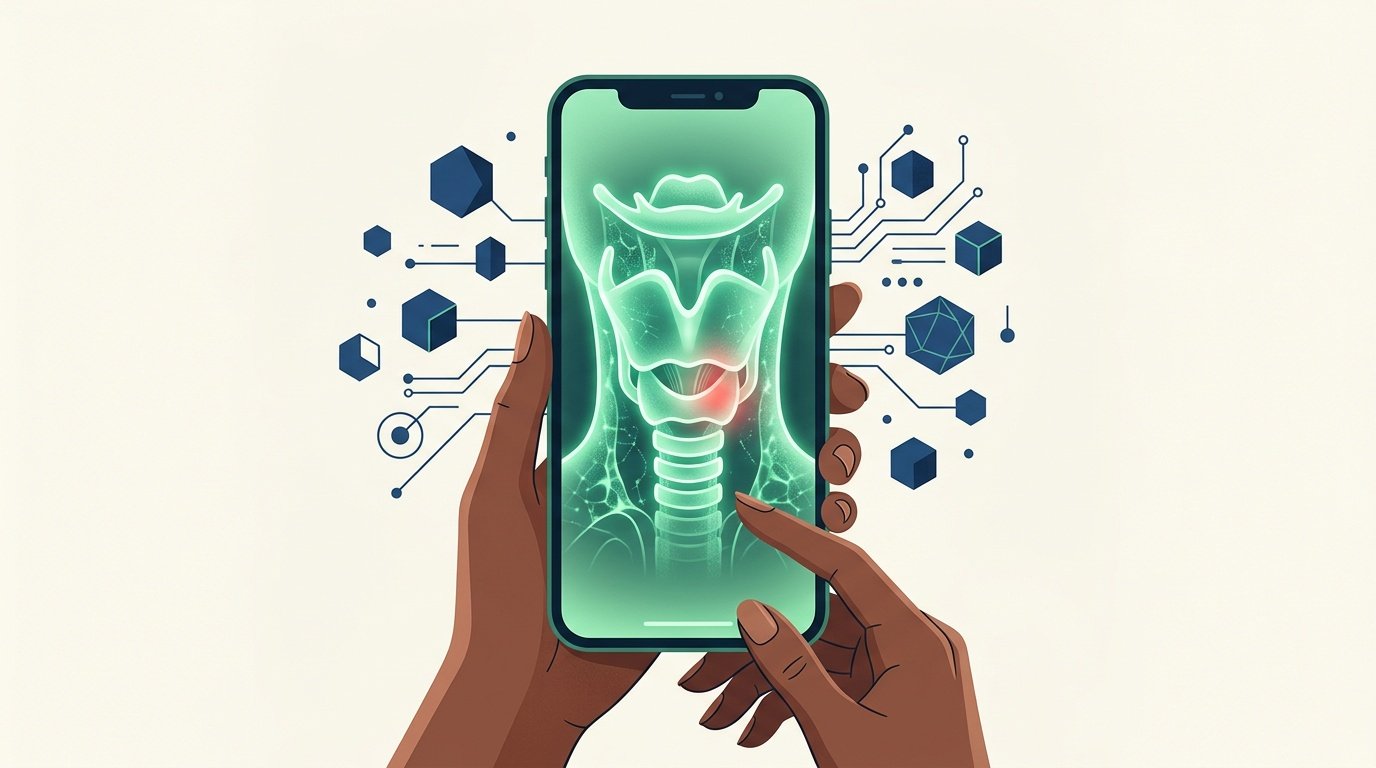
A smartphone camera might soon replace the physical throat swab, shifting the front line of infectious disease diagnosis from the clinic to the palm of your hand.
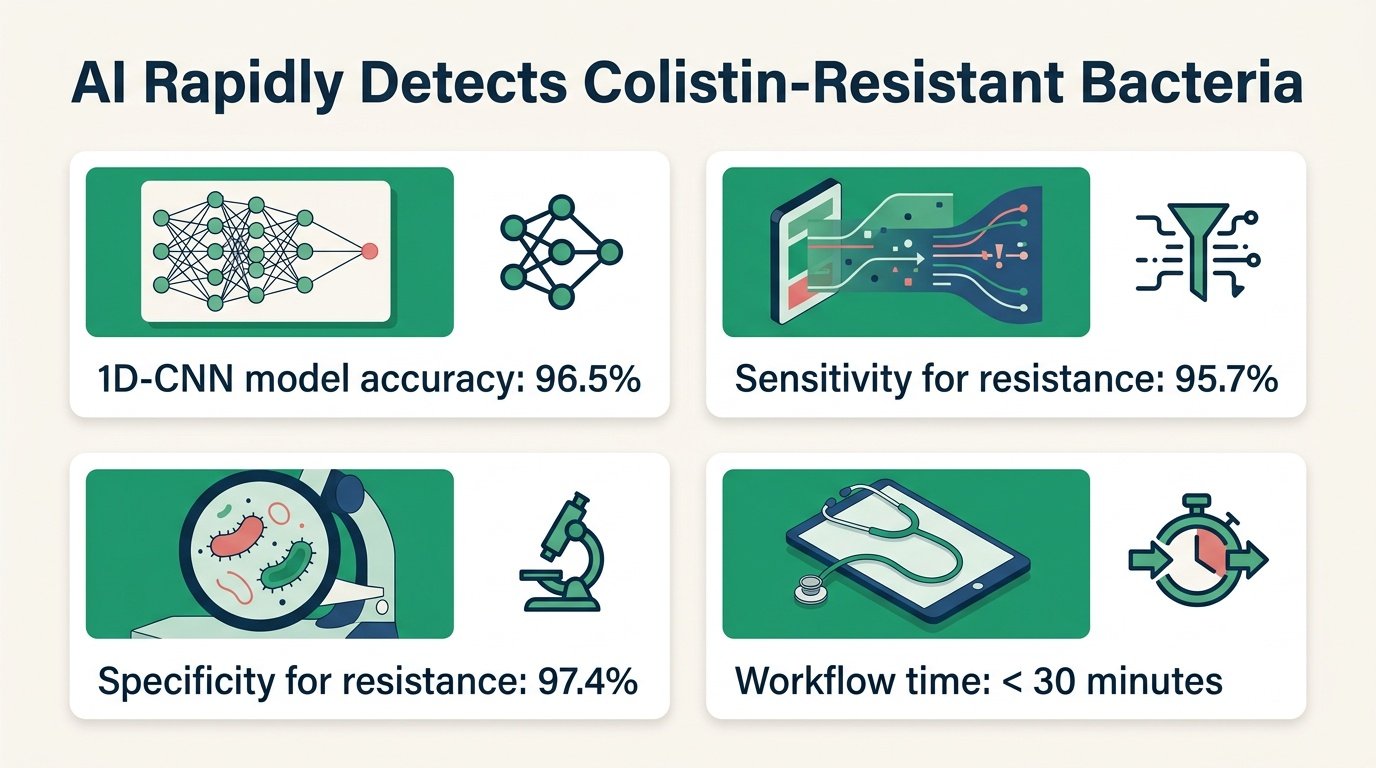
A new machine learning workflow cuts the detection time for superbugs from days to sixty minutes, shifting the battle against drug-resistant hospital infections.
A new partnership model shows health systems how to stop giving away their most valuable data assets to tech giants.
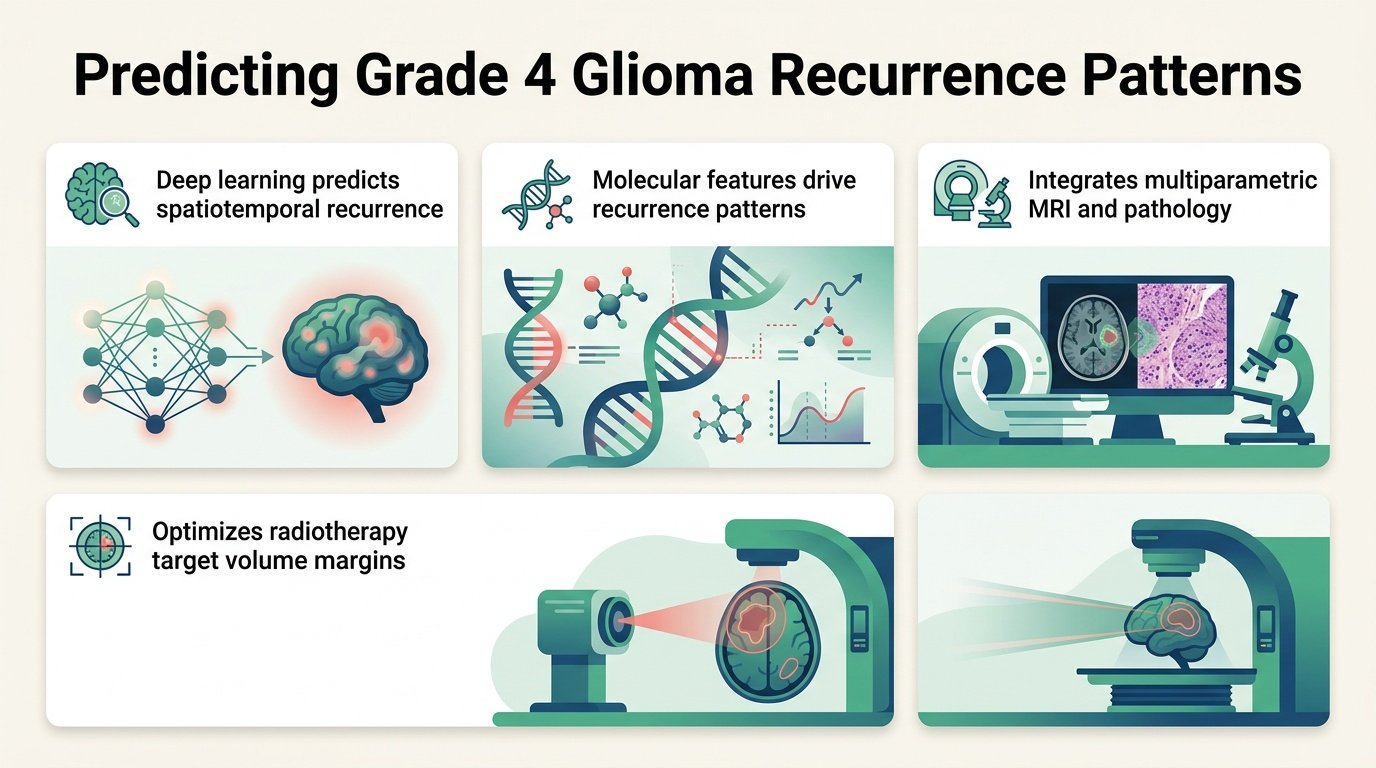
Standard radiation therapy treats every brain tumor margin the same way, but deep learning reveals that tumor geometry and location dictate how cancer spreads.
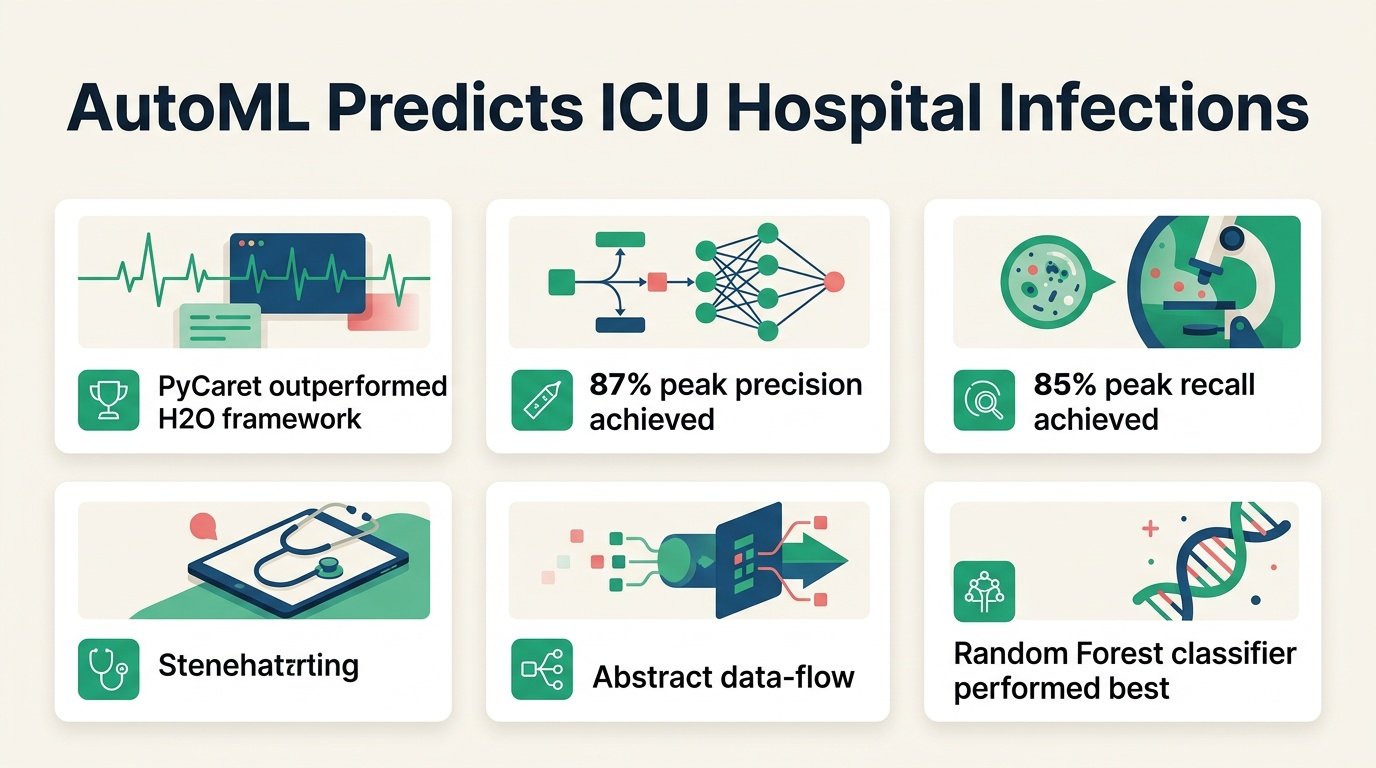
Off-the-shelf automated machine learning can flag deadly hospital-acquired infections, but only if hospitals feed them the right clinical data.
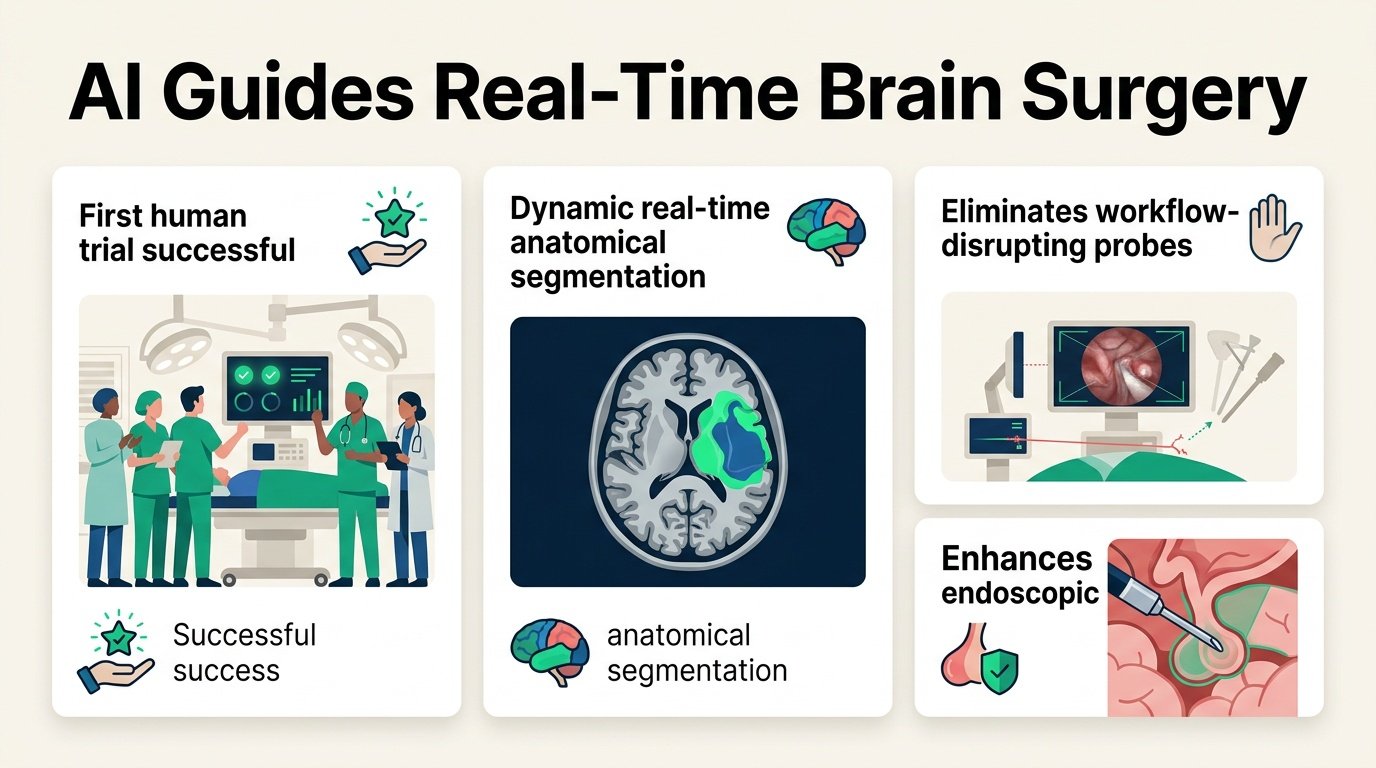
A new clinical trial shows that real-time computer vision can guide neurosurgeons through high-stakes brain procedures, but early software bugs prove the clinic is still a messy testing ground.

Putting medical-grade metabolic tracking directly into the hands of parents bypasses the clinic but shifts a heavy burden of clinical interpretation to the living room.