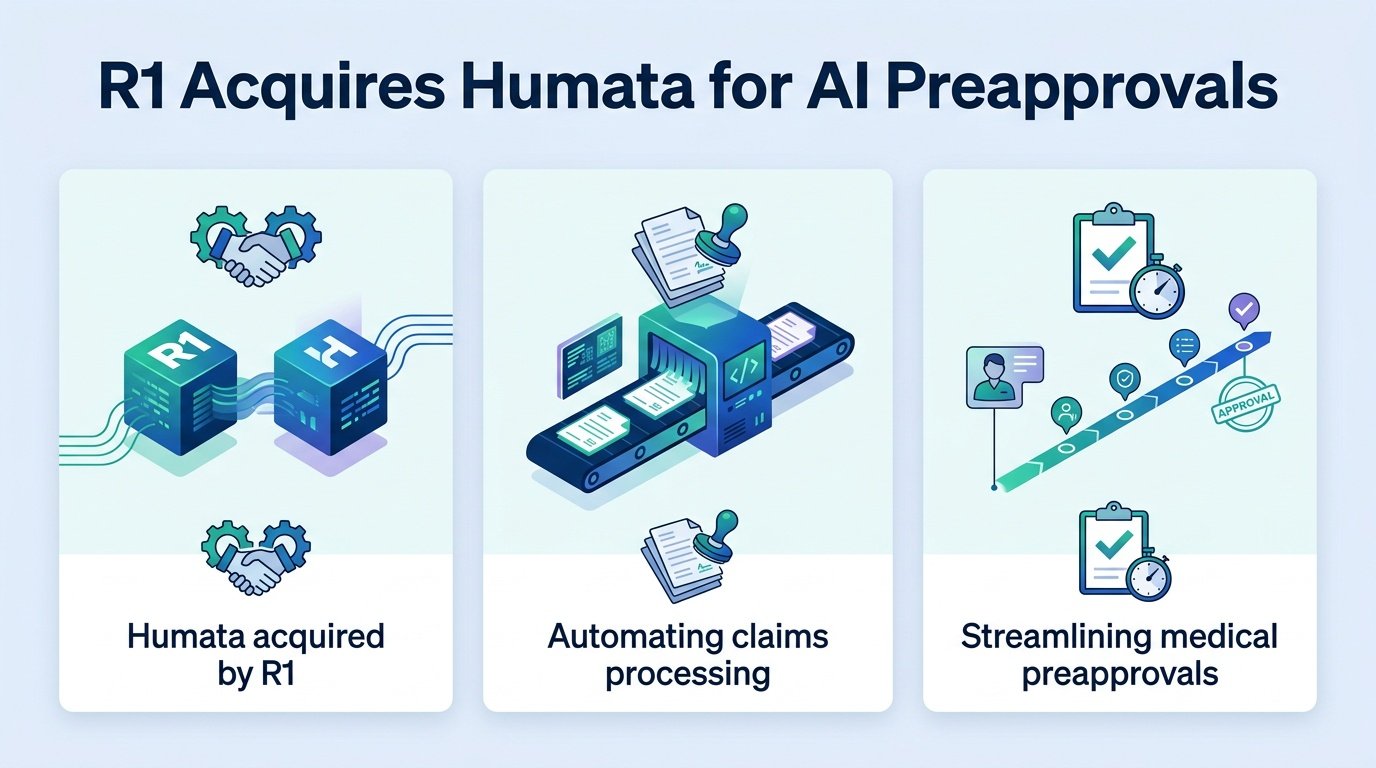
R1 Buys Humata to Automate Insurance Approvals
The administrative war between hospitals and insurers is moving from human negotiators to competing algorithms.

The administrative war between hospitals and insurers is moving from human negotiators to competing algorithms.
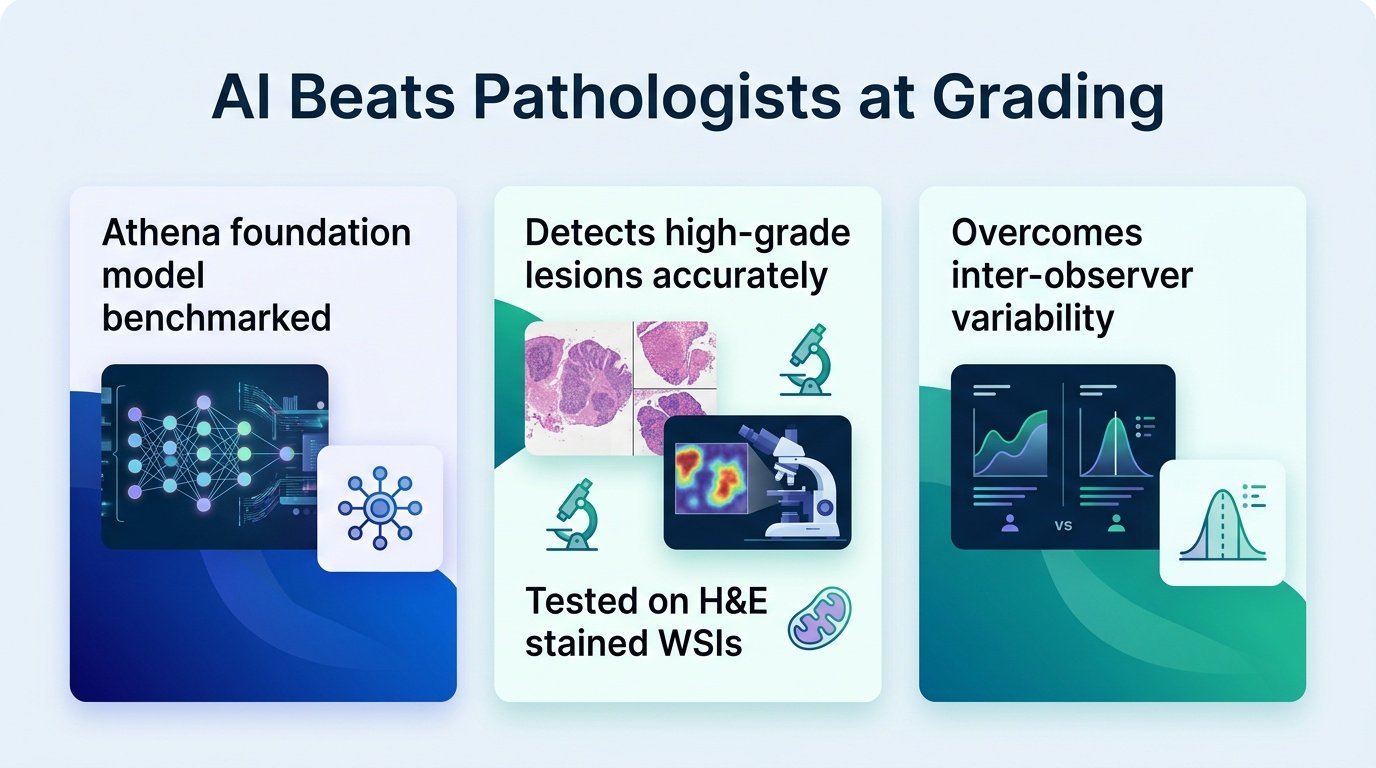
A new study shows that AI foundation models can standardize cervical cancer screening across different countries, outperforming human pathologists where they struggle most.
A massive funding round for a smart ring signals that clinical diagnostics are permanently leaving the hospital.
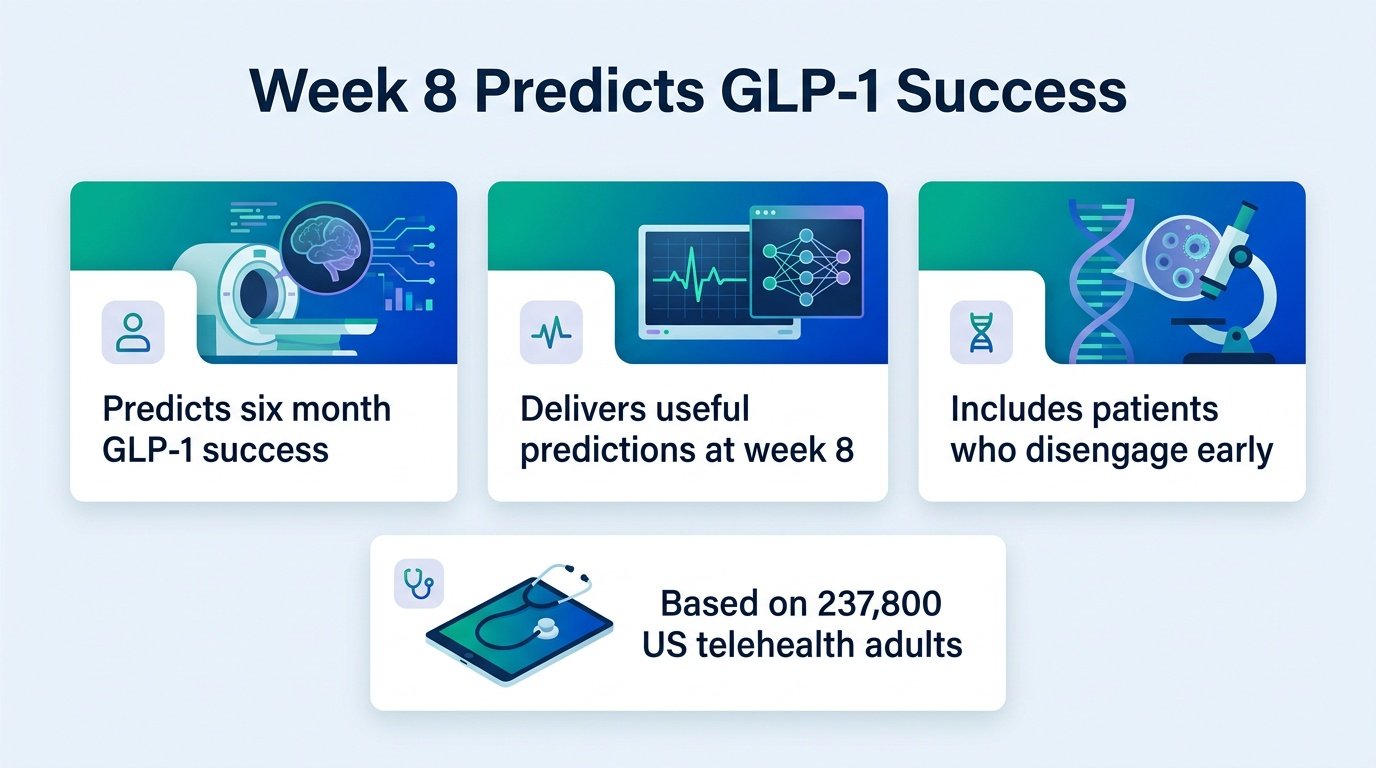
A new predictive model uses early data to forecast long-term GLP-1 weight loss, exposing a massive real-world retention crisis.
Hospitals are rushing to deploy internal clinical AI assistants, but the motive is as much about defending their market share as it is about saving doctors time.
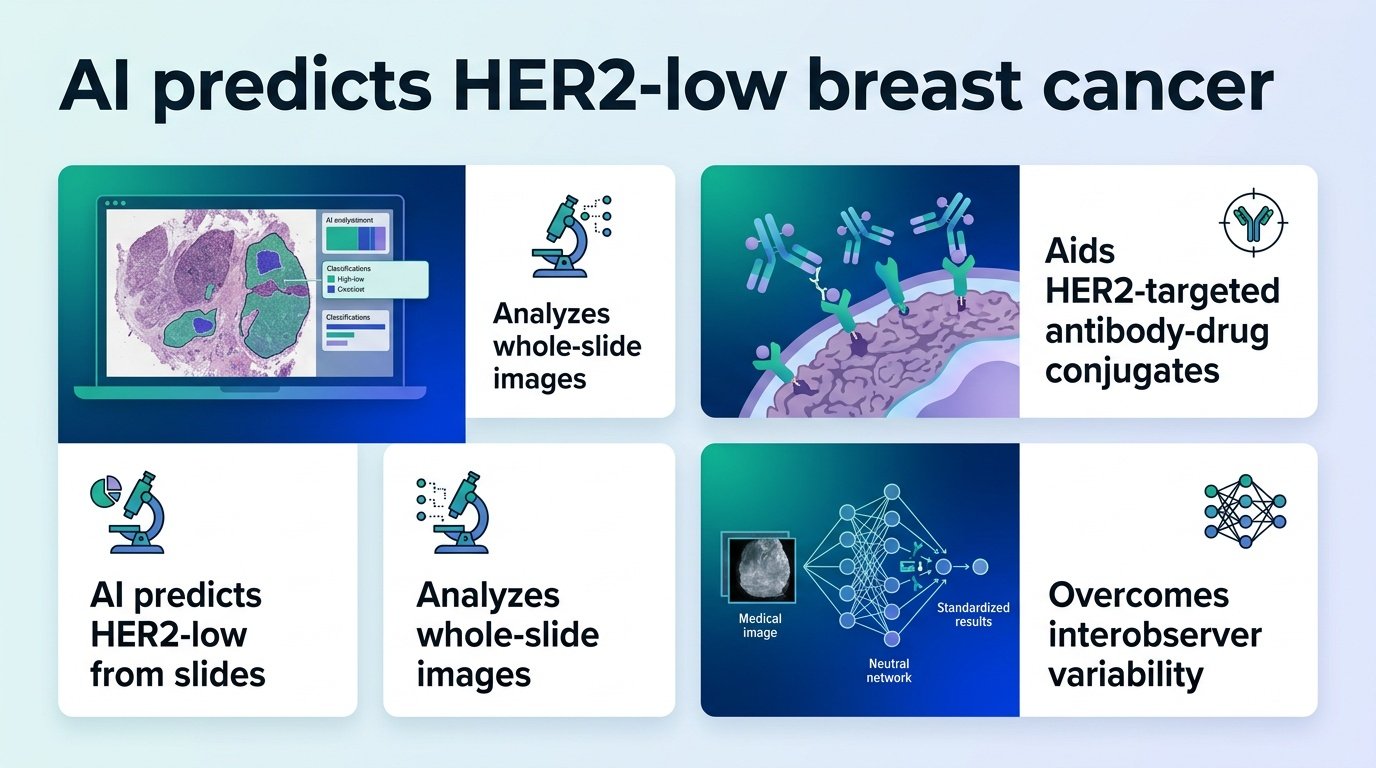
A new deep learning model attempts to spot hard-to-find HER2-low breast cancers from standard tissue slides, but its modest accuracy reveals just how difficult this diagnostic boundary is to draw.
The race to eliminate clinical keyboard time is moving from experimental pilots to the core of outpatient medicine.
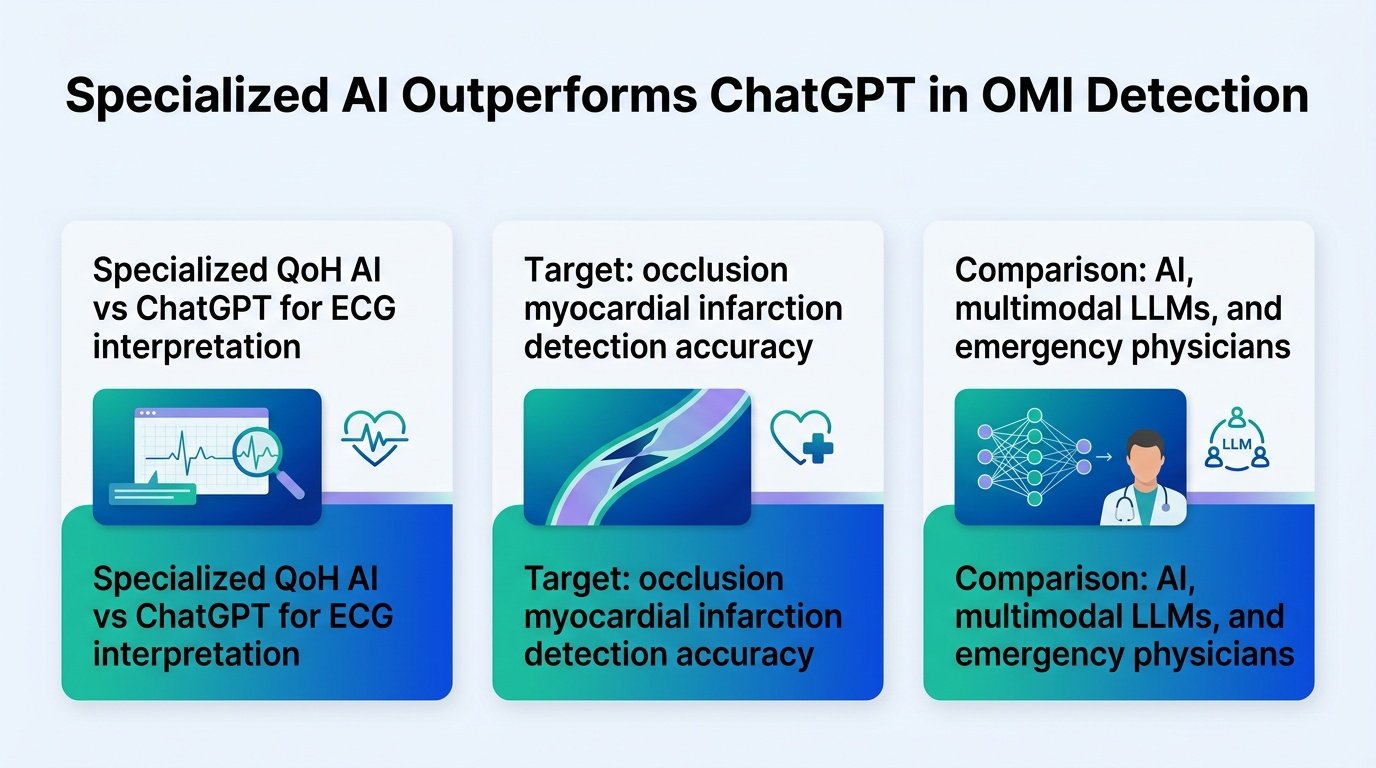
A specialized neural network outperformed both emergency physicians and general-purpose chatbots in detecting life-threatening heart blockages on electrocardiograms.
Anthropic is shifting AI from a passive assistant to an autonomous laboratory director.
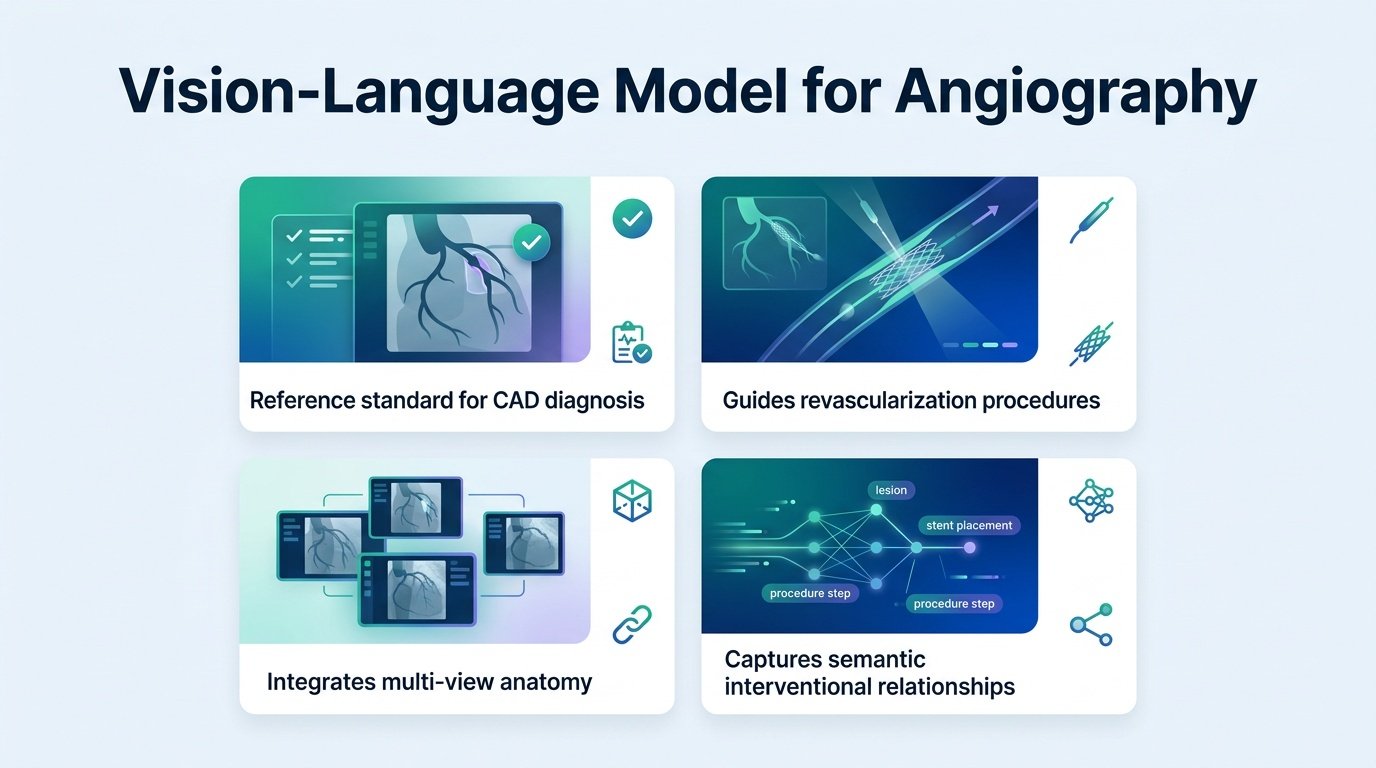
A new AI foundation model trained on over 800,000 heart videos can predict surgical needs directly from angiograms, challenging the traditional reliance on human-only visual interpretation in the cath lab.