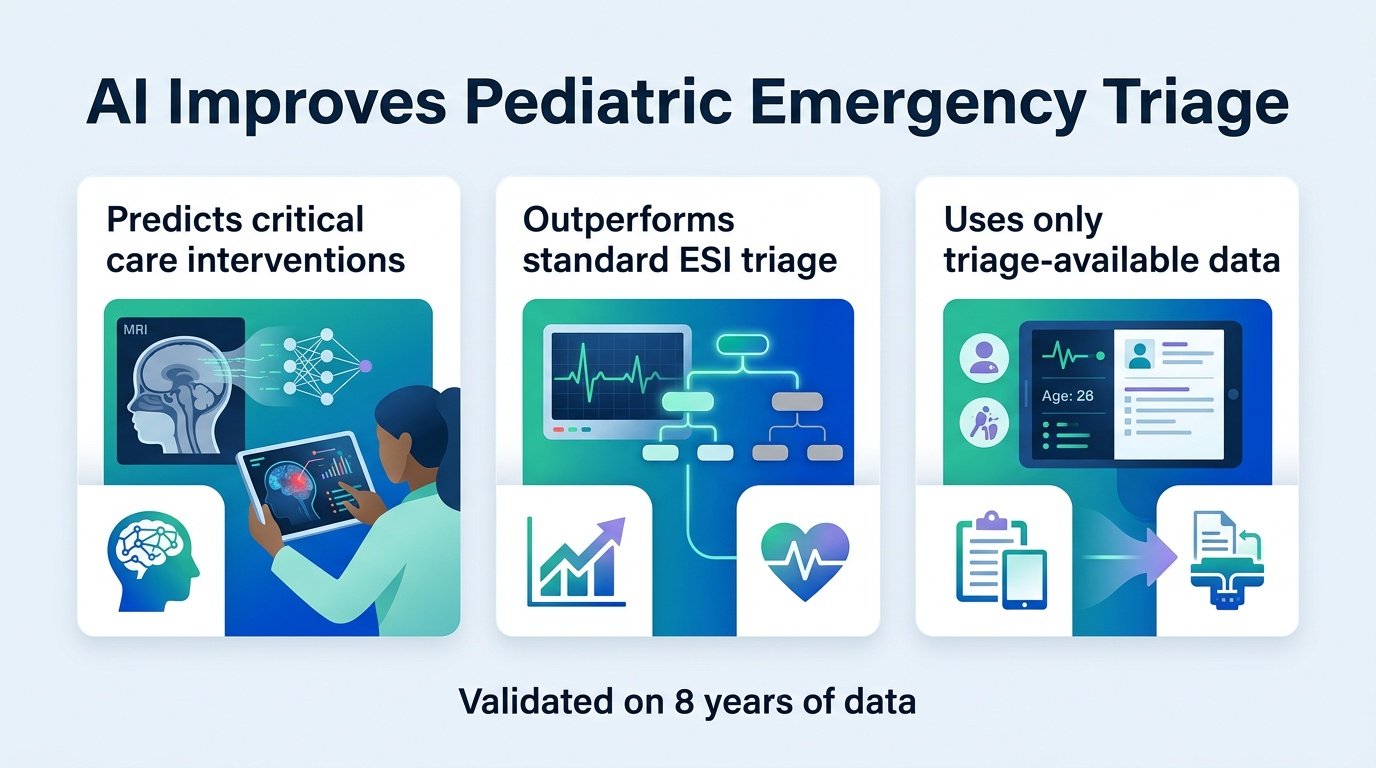
AI spots critically ill children at hospital triage
Standard hospital triage routinely misjudges how fast sick children need a doctor, but a new neural network proves we can catch them at the front door.

Standard hospital triage routinely misjudges how fast sick children need a doctor, but a new neural network proves we can catch them at the front door.
Deploying AI to halve diagnostic wait times is a massive win, but it risks creating a dangerous bottleneck further down the care pathway.
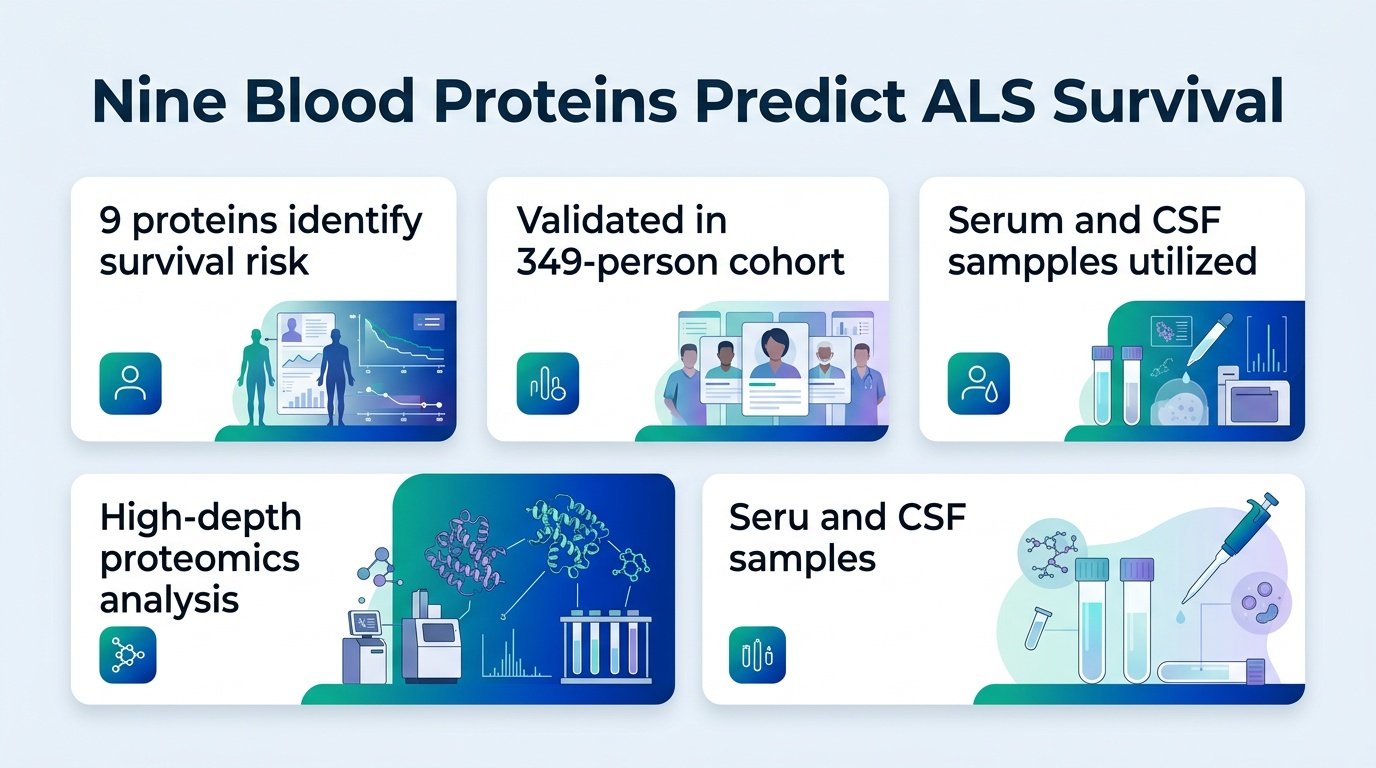
A new nine-protein blood signature outperforms traditional clinical models and single-marker tests in predicting how fast ALS progresses.
Treating drug development like a sports book introduces financial incentives that could compromise scientific integrity.
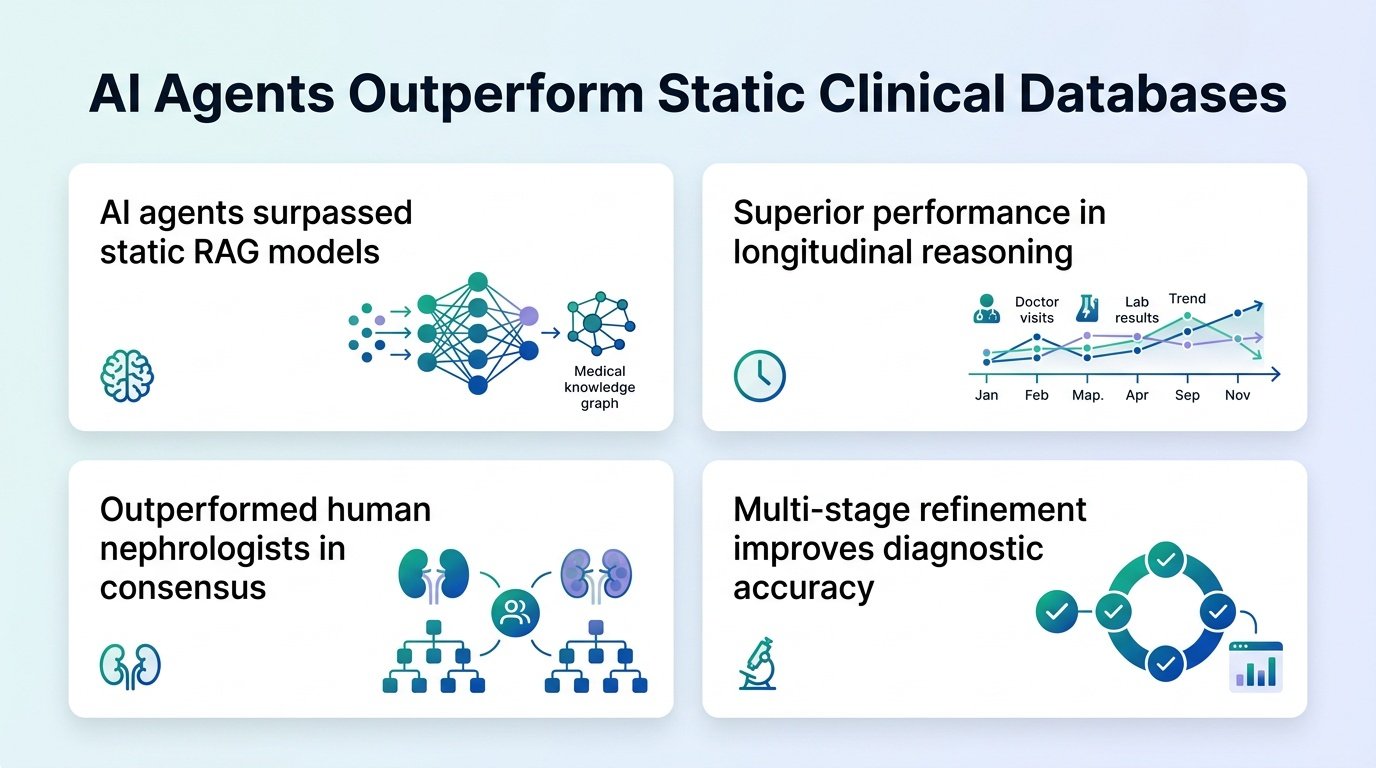
Adding medical guidelines to an AI does not make it a better doctor, but teaching it to argue with itself does.
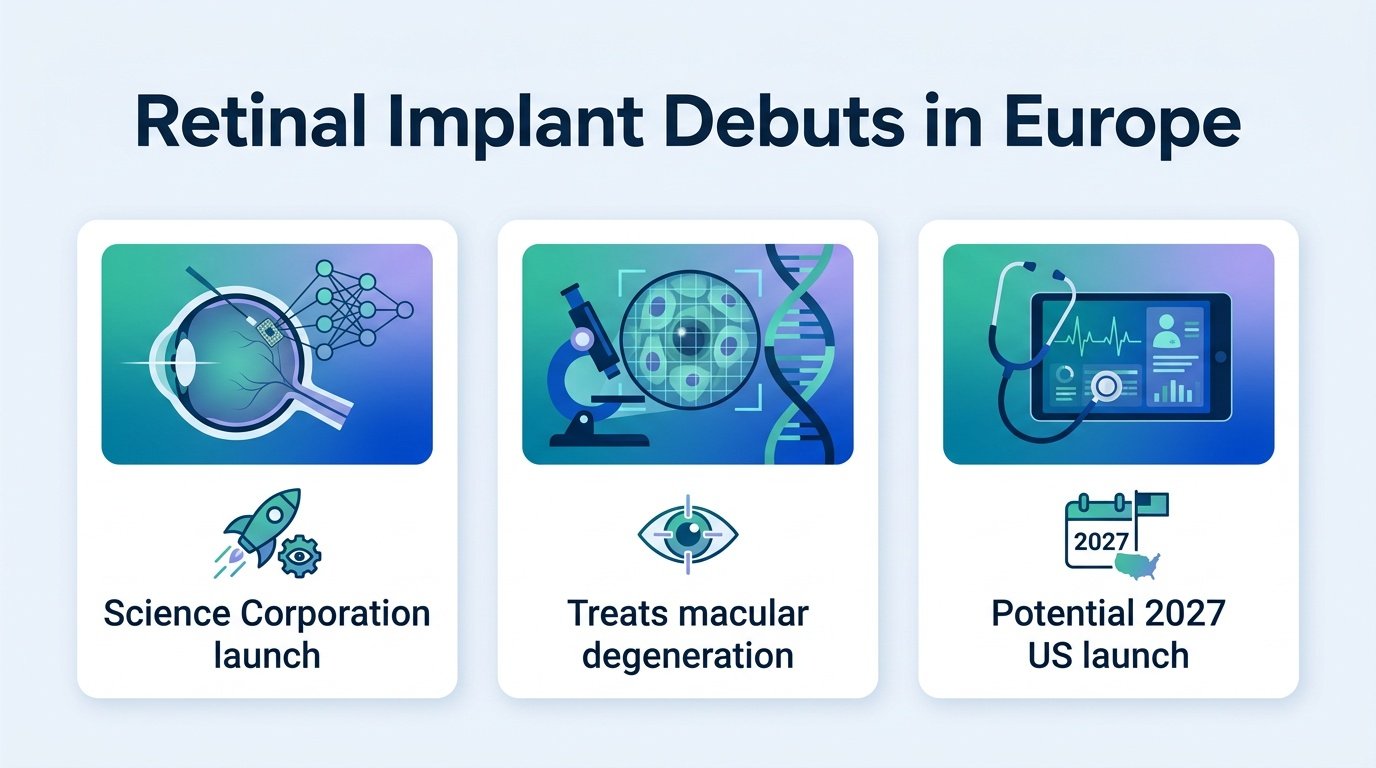
A new commercial retinal implant challenges the boundary between biological sight and digital translation, forcing healthcare to rethink how we treat blindness.
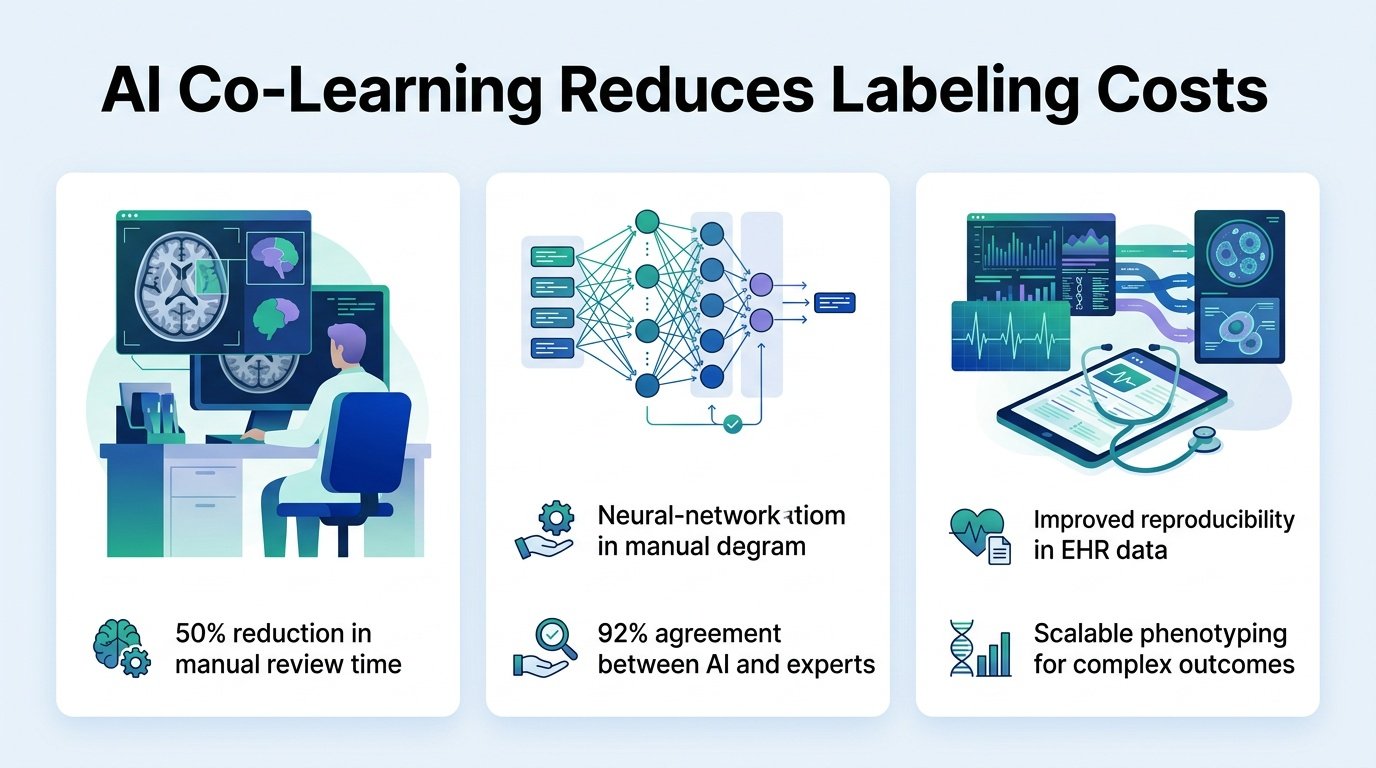
A new human-AI framework shows that the best way to clean up messy electronic health records is to let algorithms and doctors correct each other.
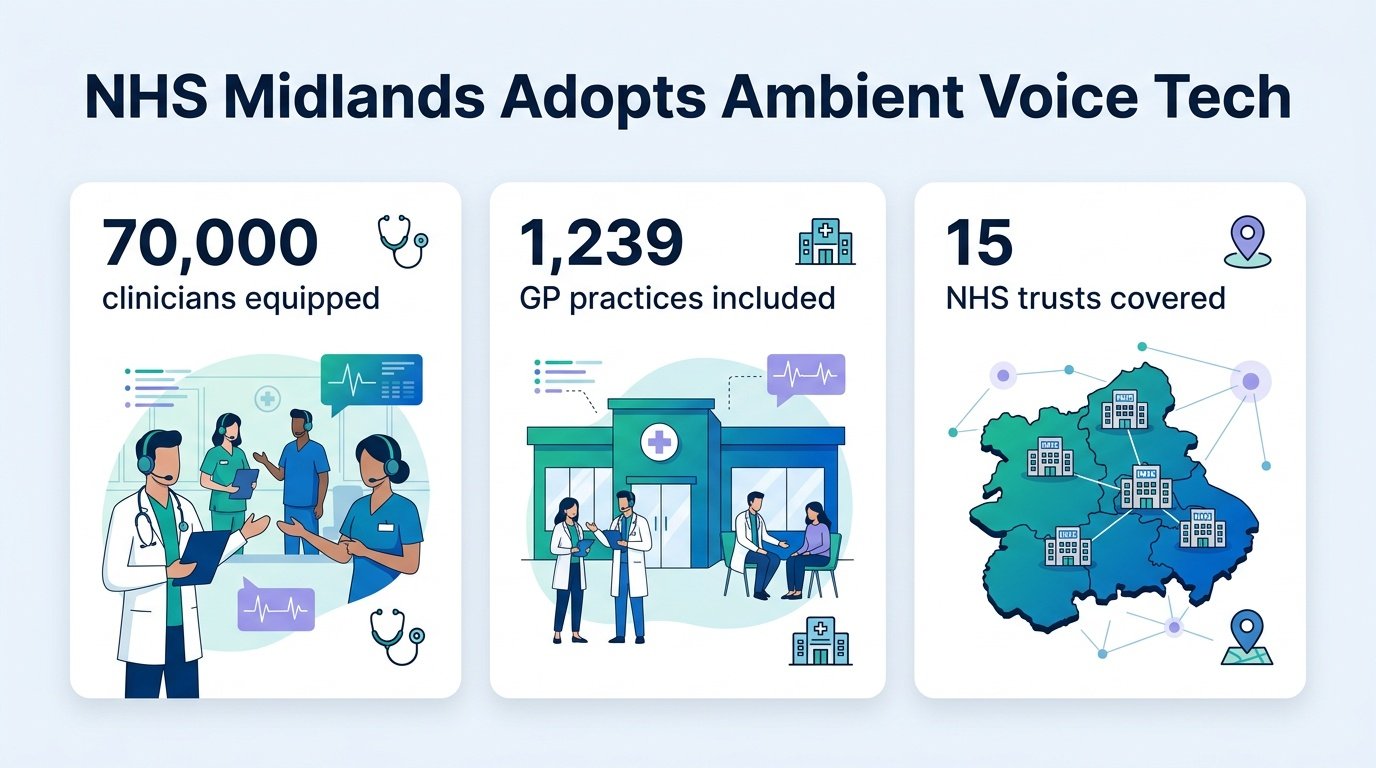
NHS England is deploying ambient voice technology to 70,000 clinicians in its largest regional rollout yet, testing whether AI can finally solve the healthcare system’s administrative crisis.
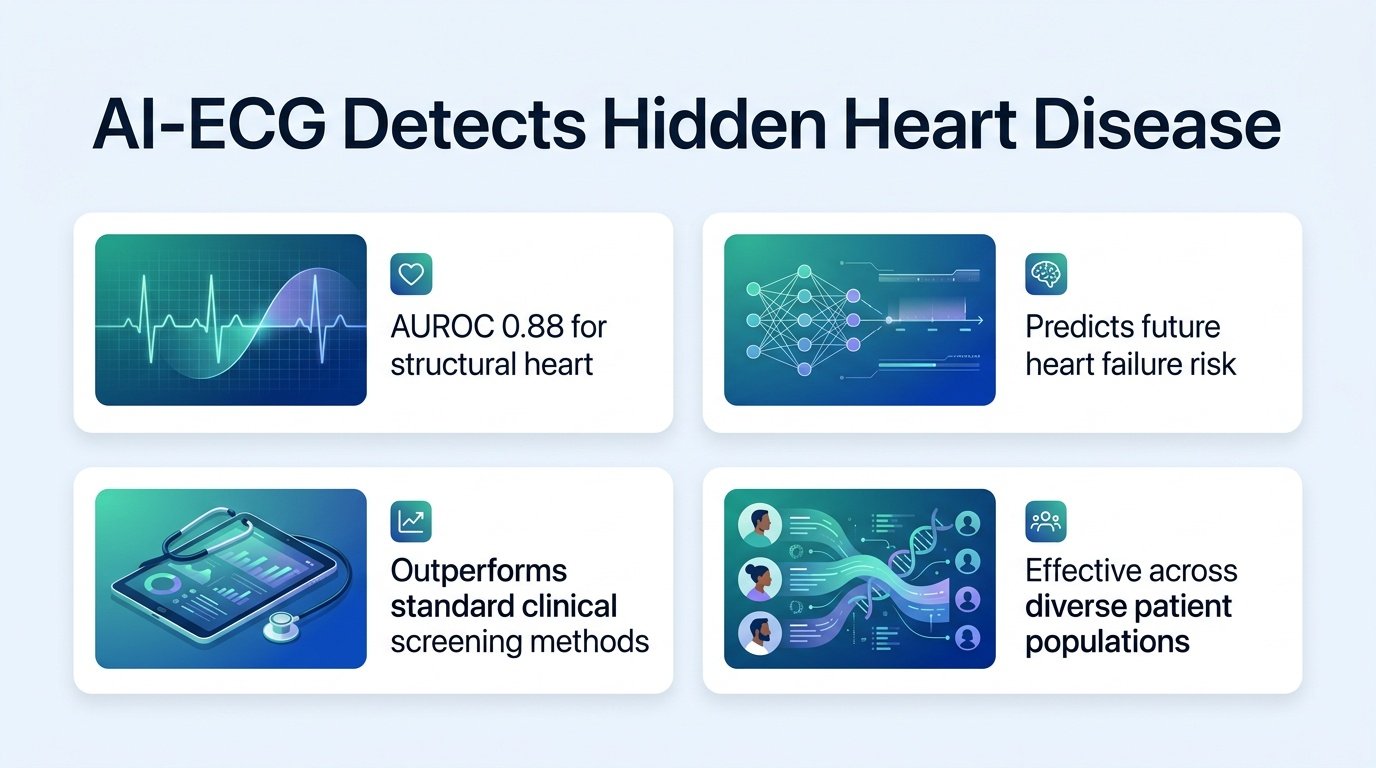
A new composite AI model can spot structural heart disease from a standard ECG before symptoms even appear, but its real value lies in predicting future risk.
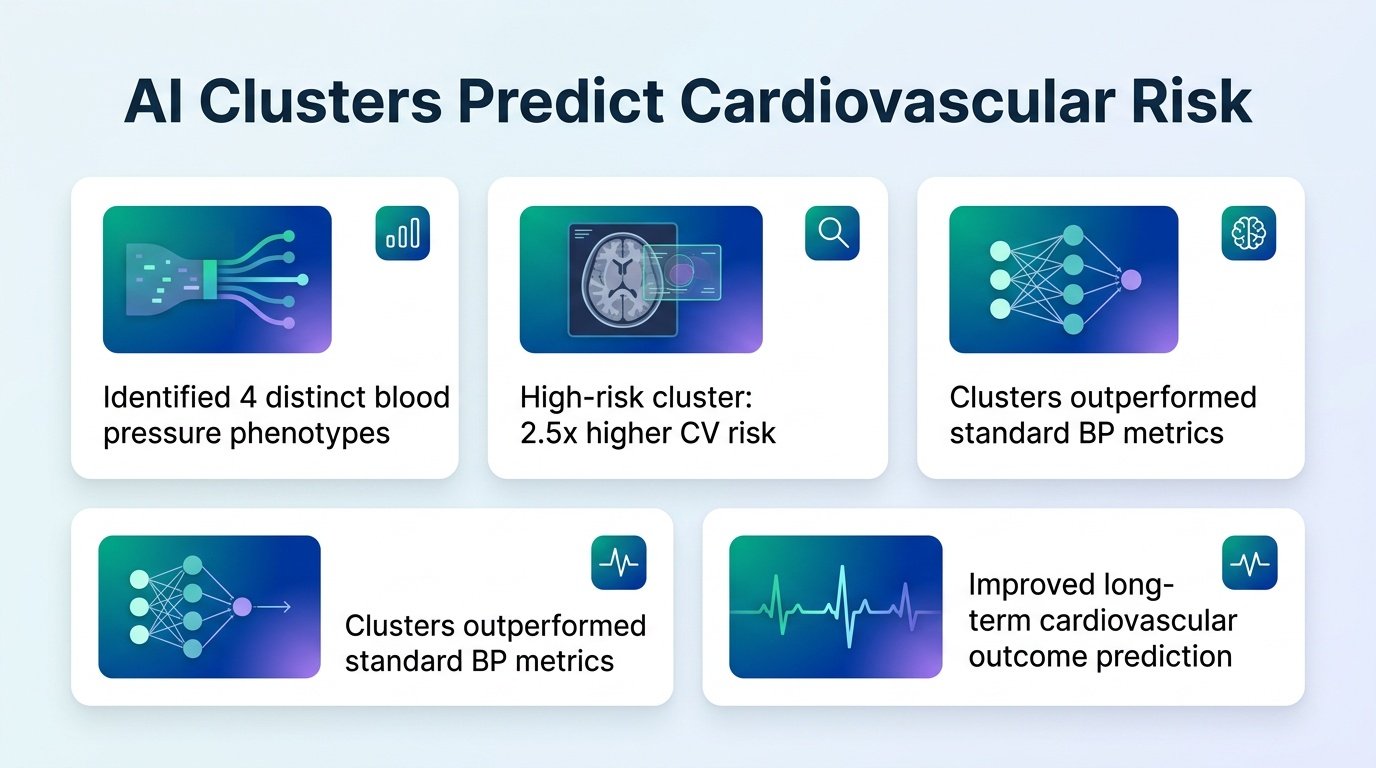
A new machine learning model proves that how your blood pressure fluctuates over 24 hours is far more dangerous than a single high reading at the clinic.