FDA Prepares Rules for Generative AI Devices
The federal government is finally moving to regulate generative AI in clinical settings, but the transition from static algorithms to unpredictable models will test the limits of traditional oversight.

The federal government is finally moving to regulate generative AI in clinical settings, but the transition from static algorithms to unpredictable models will test the limits of traditional oversight.
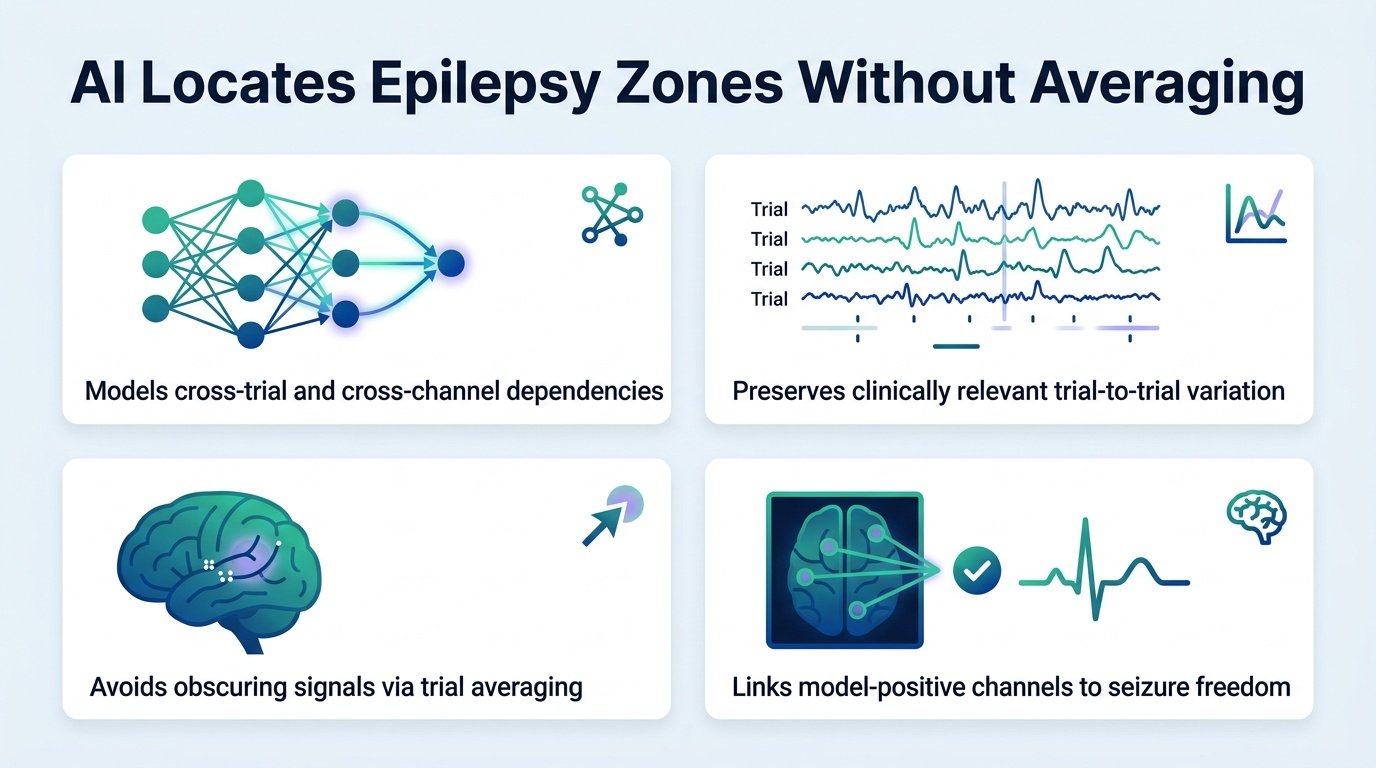
A new deep learning model pinpoints seizure-generating brain tissue by analyzing individual electrical pulses rather than averaging them together.
Hospitals are spending millions to keep exhausted clinicians from walking out the door, but the best retention tool might just be an algorithm that listens.
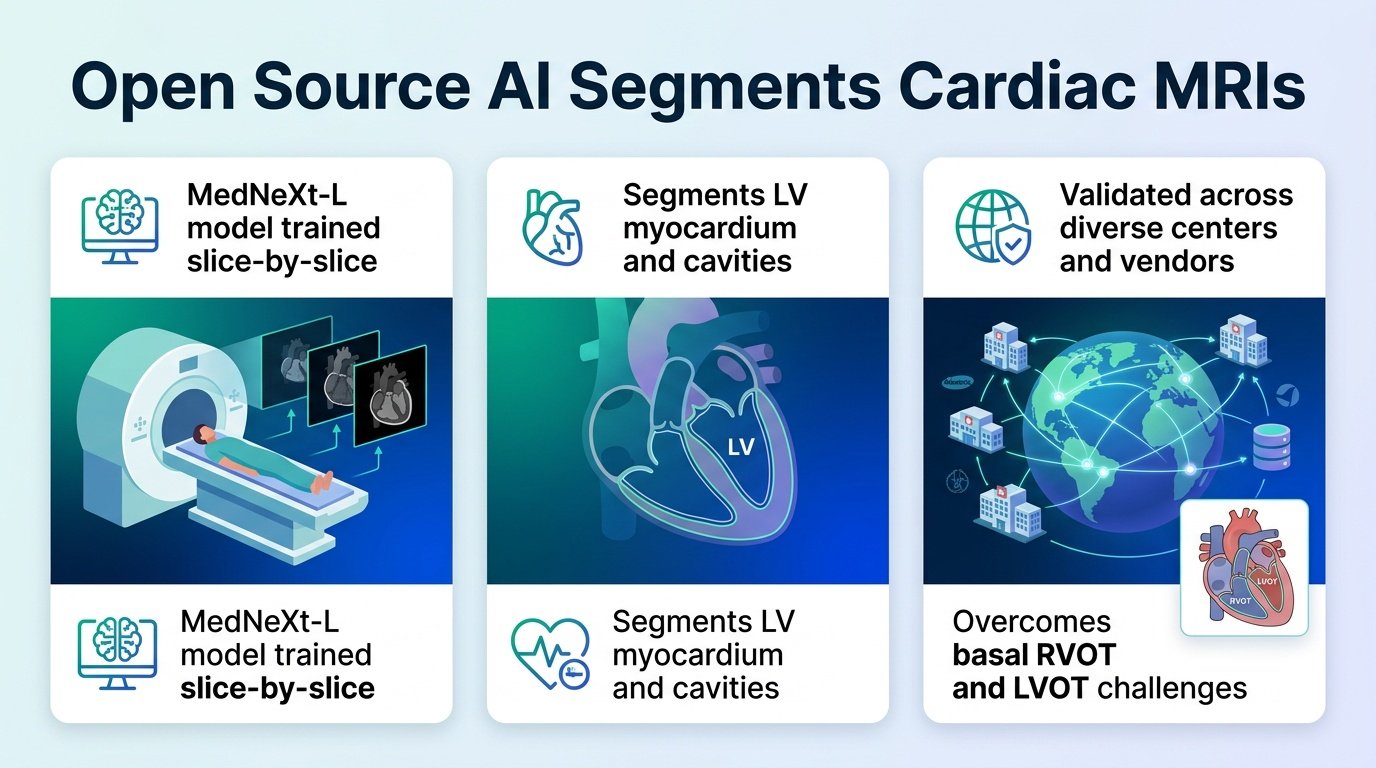
A new open-source AI matches human precision in tracing heart structures but falls short on the critical calculations doctors use to make treatment decisions.
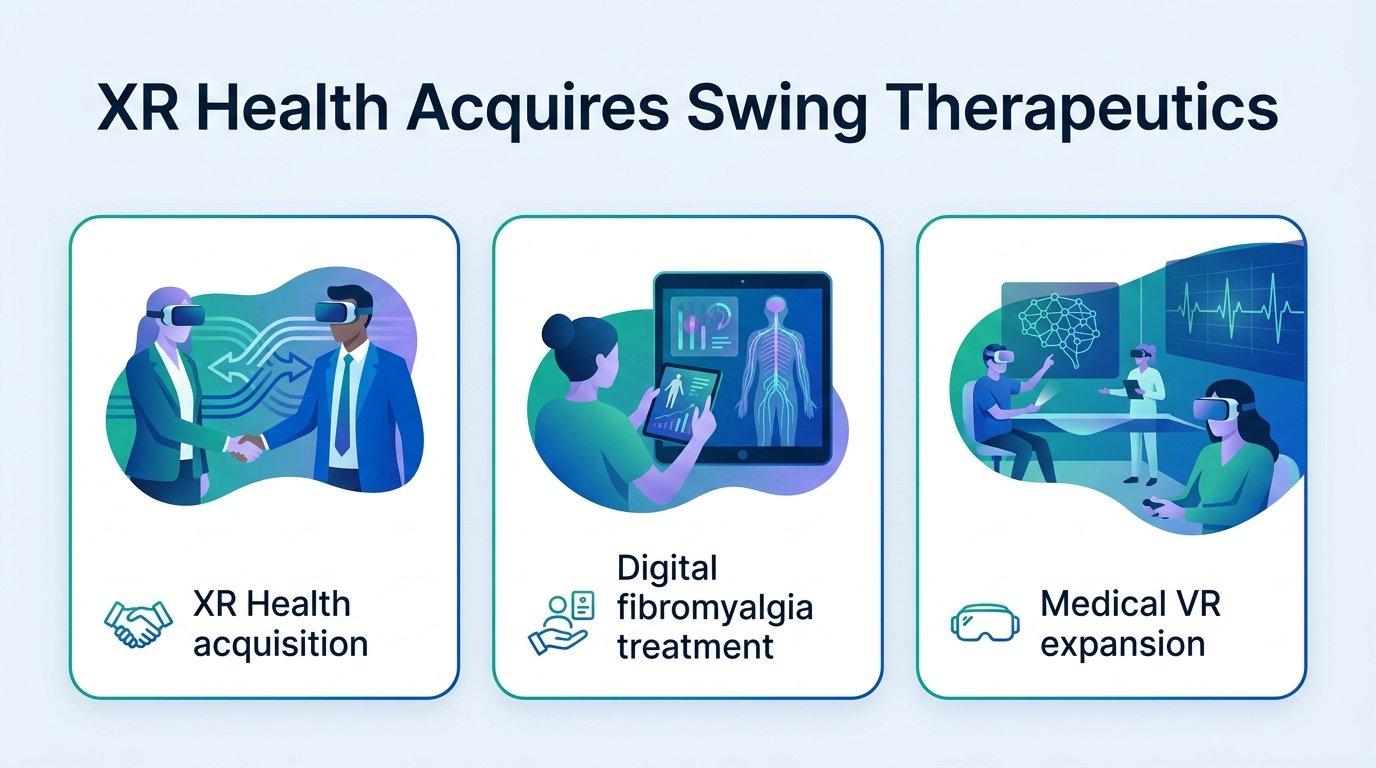
The acquisition of Swing Therapeutics by XRHealth reveals a harsh truth: in digital health, standalone apps cannot survive alone.
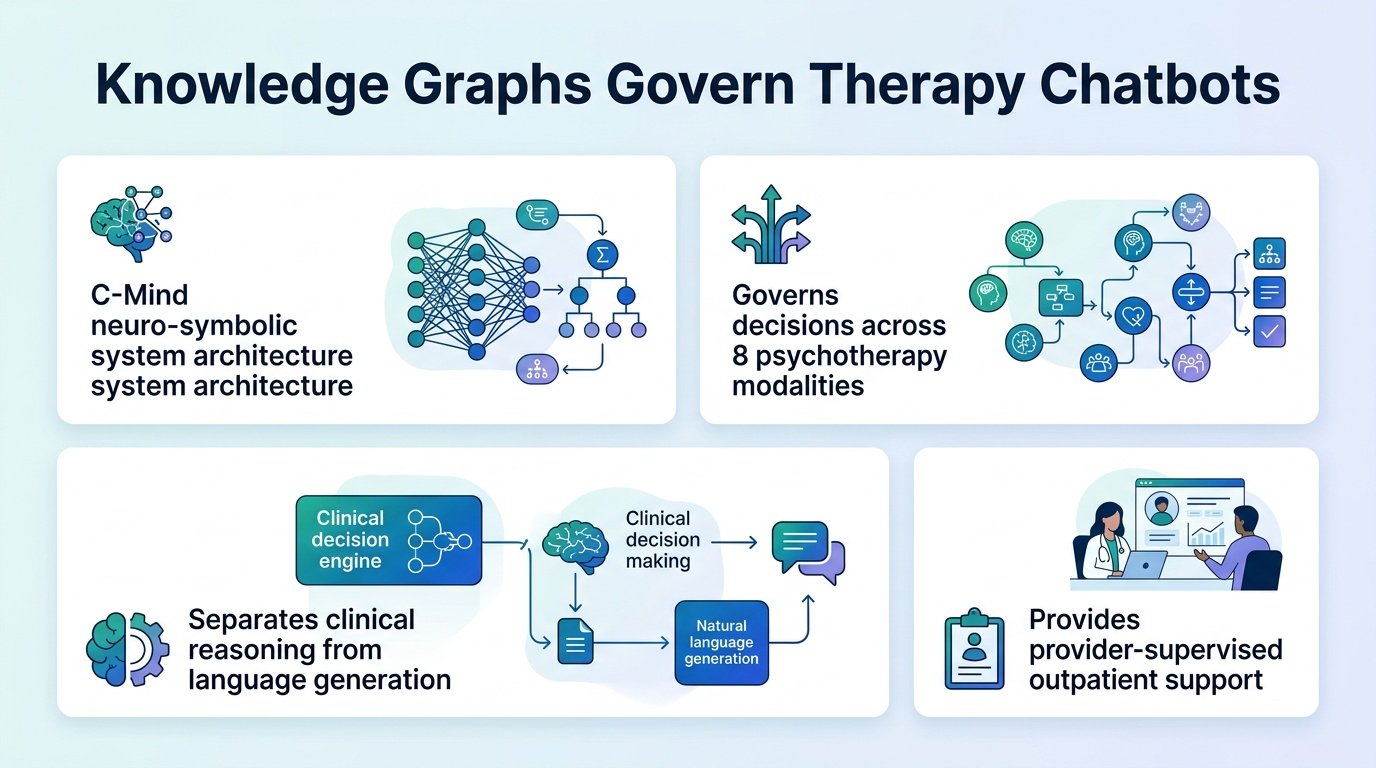
By chaining generative AI to a rigid clinical knowledge graph, researchers have built a digital counselor that actually follows the rules.
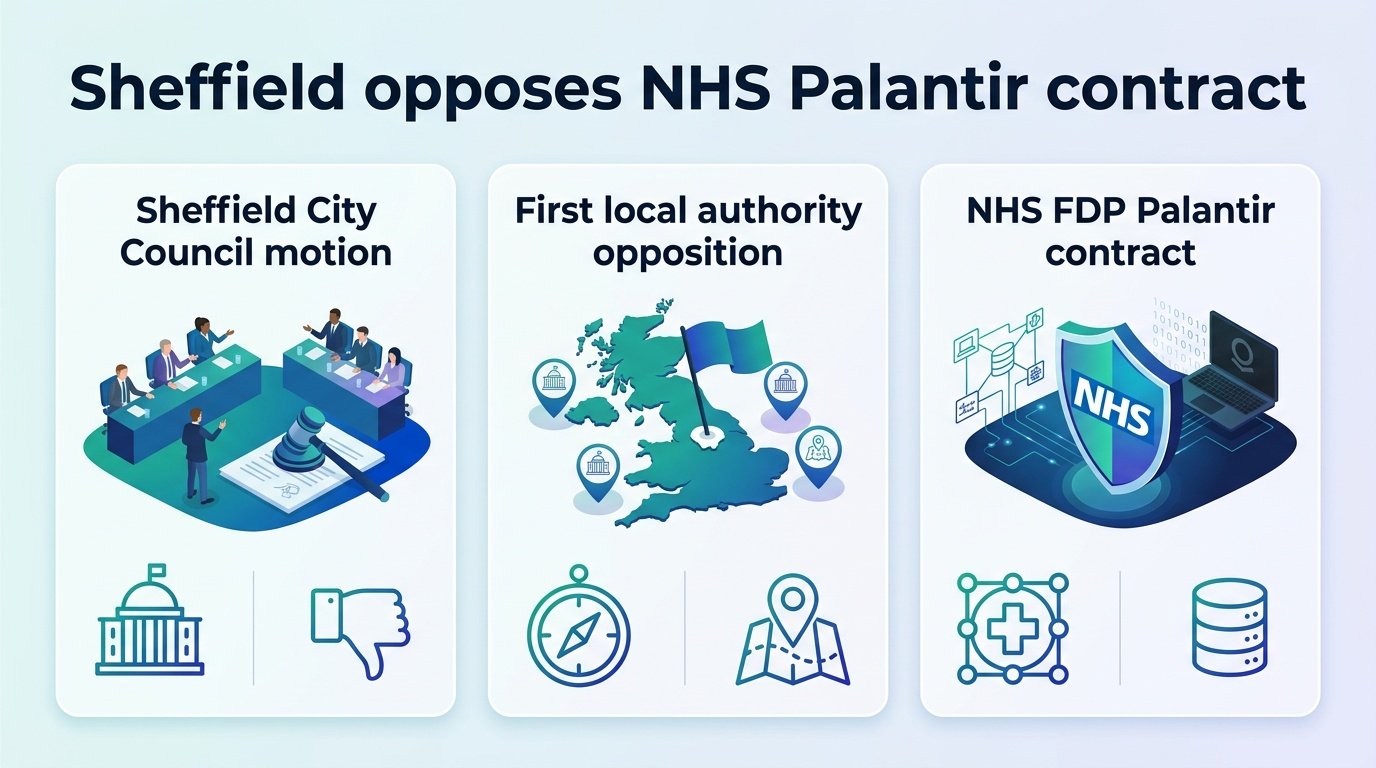
A major northern city council has formally opposed the NHS Federated Data Platform, signaling a deepening local mutiny against central healthcare technology decisions.
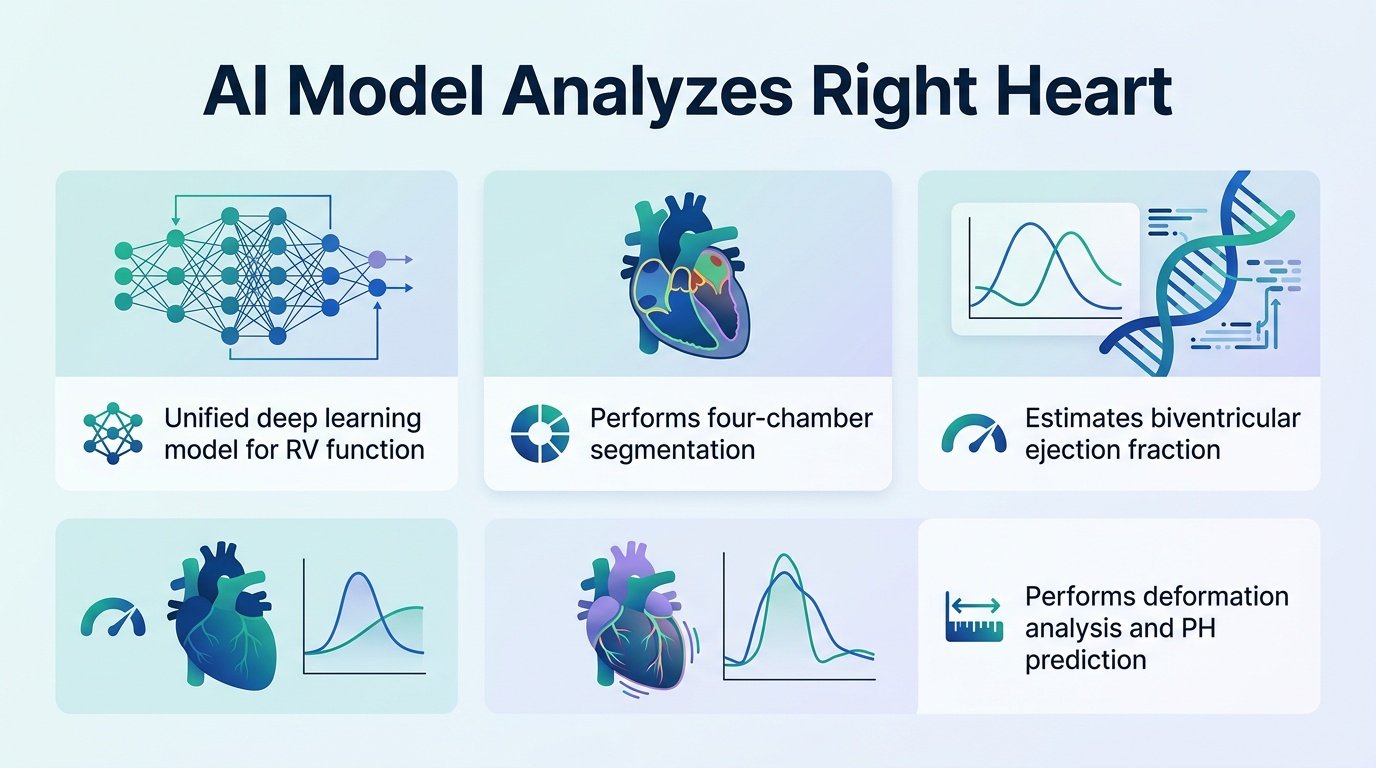
By consolidating complex cardiac measurements into a single view, a new deep-learning model challenges the clinical habit of ignoring the right side of the heart.
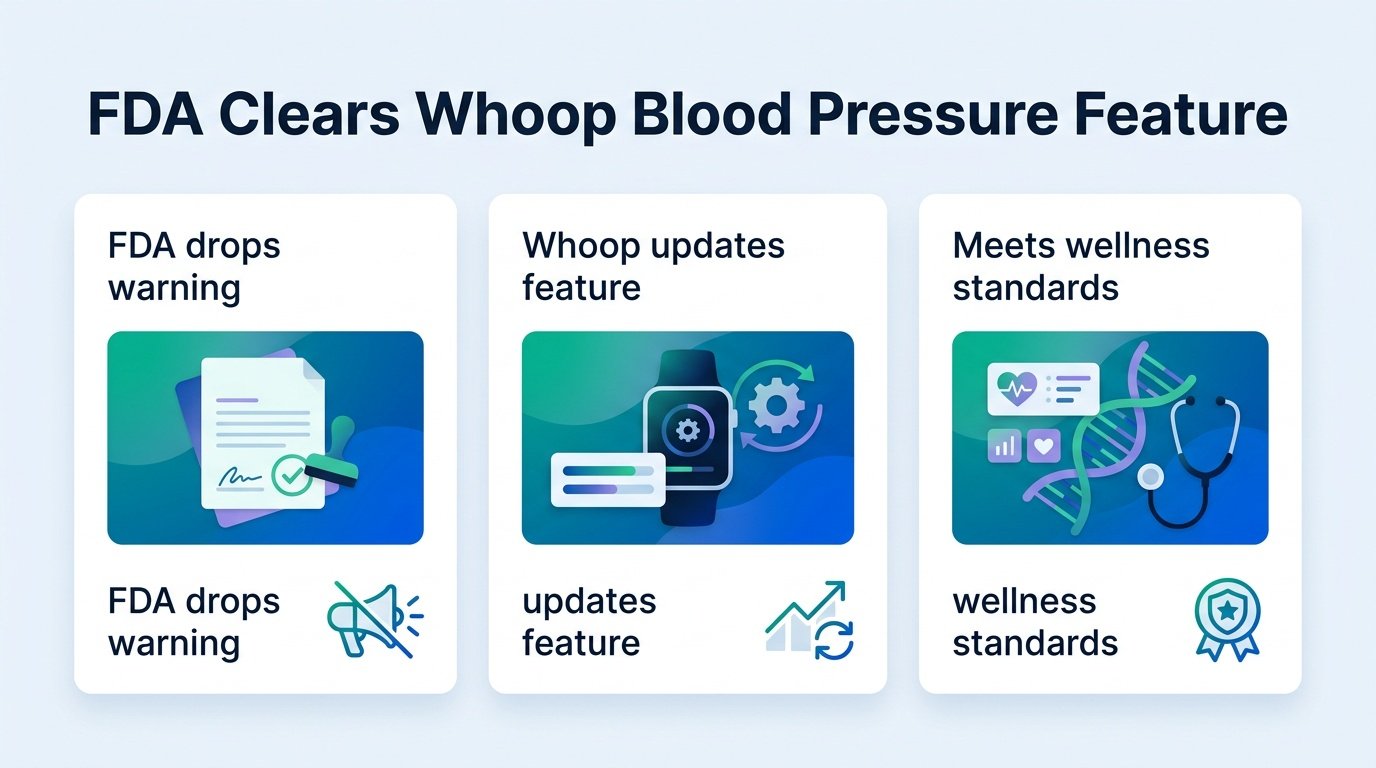
A quiet regulatory truce reveals exactly how consumer wearables can bypass strict medical device oversight.
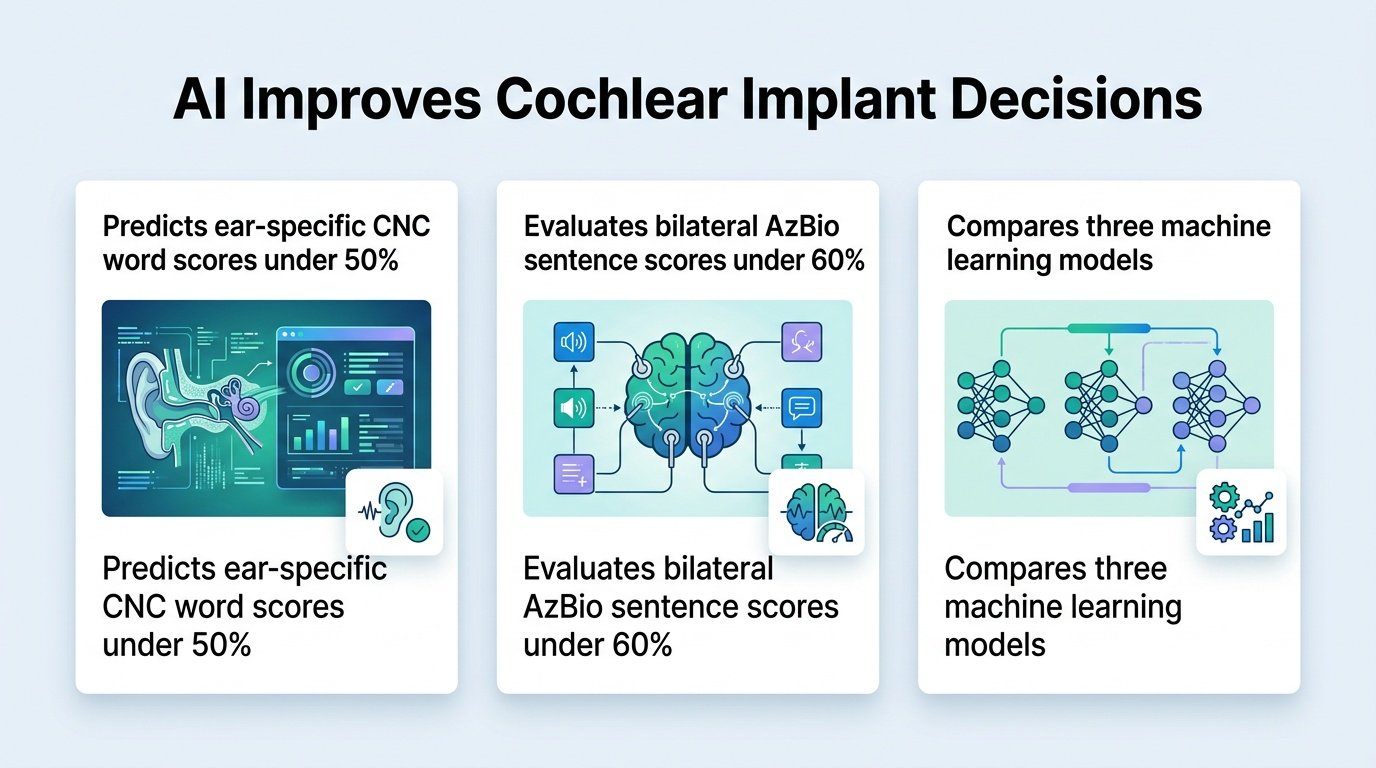
A new machine learning tool challenges the rigid, decades-old rule used to decide who qualifies for a cochlear implant.