 Yusuf Yesil, MD, MIS
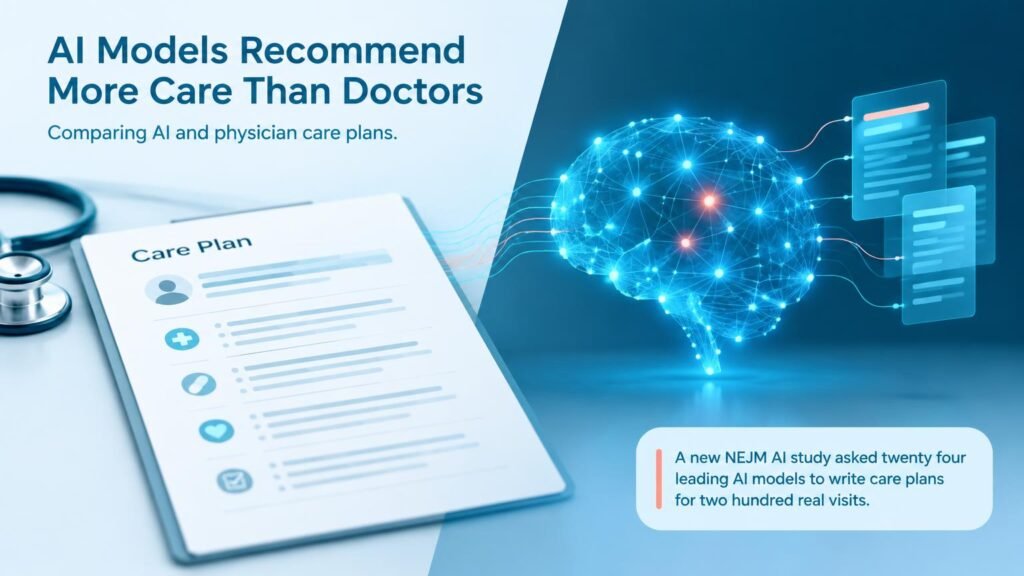
When asked to generate treatment plans for real clinical cases, top AI models spend roughly three times more money than human physicians on initial care. Even when explicitly instructed to be conservative, these models still cost 1.4 times more than human doctors.
Defensive Algorithms
The driver behind the cost surge is not superior diagnostic precision. Instead, algorithms default to extensive diagnostic testing, high-cost treatments, and precautionary interventions to mitigate liability.
Tech executives frequently highlight diagnostic accuracy scores. However, accuracy in a benchmark test does not equal sensible resource allocation in practice. Unchecked decision-support tools risk embedding overutilization directly into hospital workflows.
Operational Risks
This financial inflation poses a severe challenge for health system leaders. If deployed without strict constraints, these systems will drive up care costs and increase clinician workload through administrative burden and unnecessary follow-ups.
A critical limitation of current AI models is their opacity regarding trade-offs. A higher diagnostic yield often comes with massive financial and clinical overhead that algorithms currently ignore.
Health systems must demand transparent decision-support tools that explicitly weigh financial and physical trade-offs rather than silently pushing maximum-intervention pathways.