Healthcare cybersecurity is no longer about patching software; it is about surviving automated, AI-driven attacks.
The release of advanced Mythos-class frontier models in early 2026 changed the rules of digital warfare. These systems do not just assist human hackers. They automate data exfiltration and compress cyberattack timelines to minutes, leaving traditional IT defenses obsolete.
The Offensive Edge
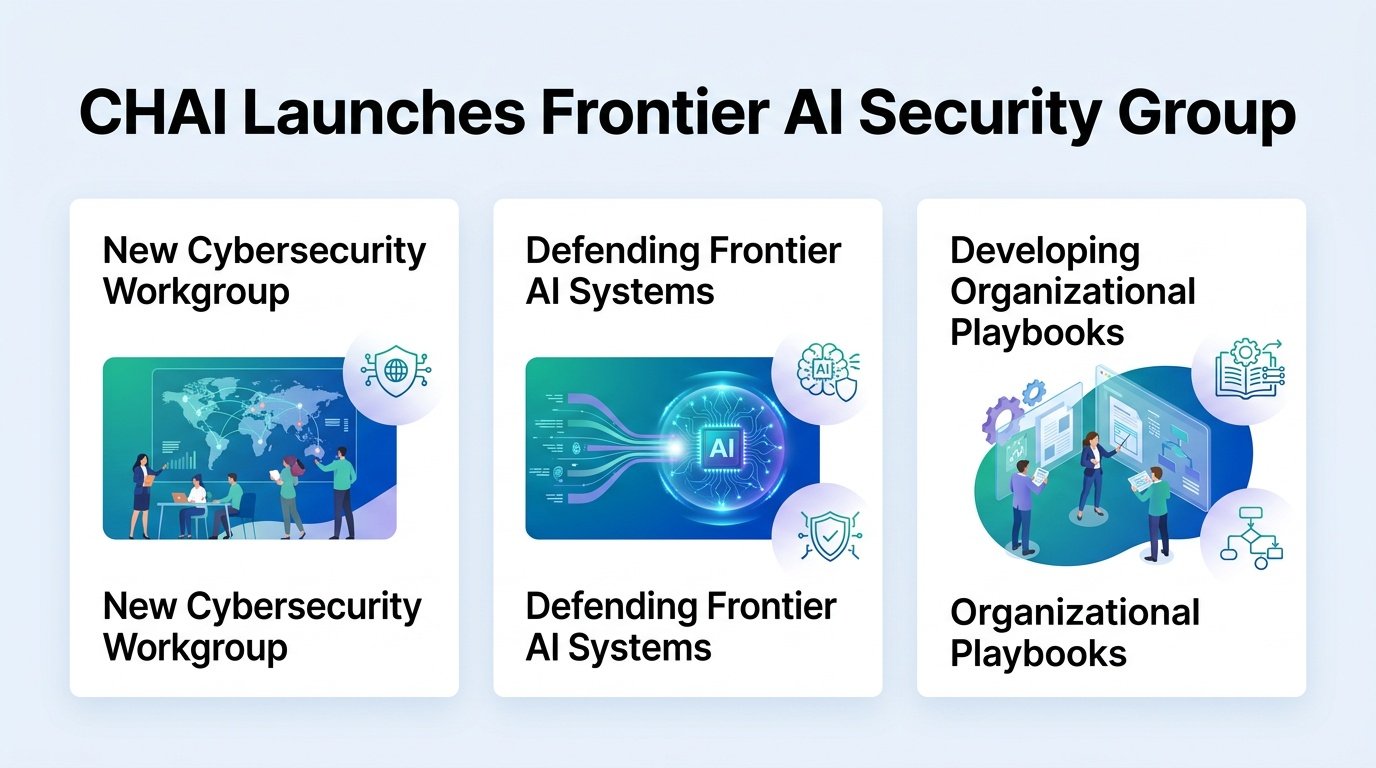
Hospitals are already struggling with legacy infrastructure. Now, they face offensive AI capabilities that are rapidly outpacing defensive measures. In response, a 100-member work group led by security chiefs from Johns Hopkins and Duke Health is rushing to build a defense.
Organized under the Coalition for Health AI, this group plans to deliver defensive playbooks and a risk assessment tool by the end of 2026. The goal is to give hospitals a concrete strategy to counter these autonomous threats.
A Reactive Strategy
But playbooks are static, while frontier AI is dynamic. A defensive guide published in December might be obsolete by February if model capabilities continue to leap forward. The real challenge is speed.
If defensive deployment cannot match the pace of automated offensive AI, healthcare providers will remain highly vulnerable targets.