
While AI tools claw back nearly a month of lost administrative time for clinicians, a lack of formal training is driving doctors to use unvetted personal software.
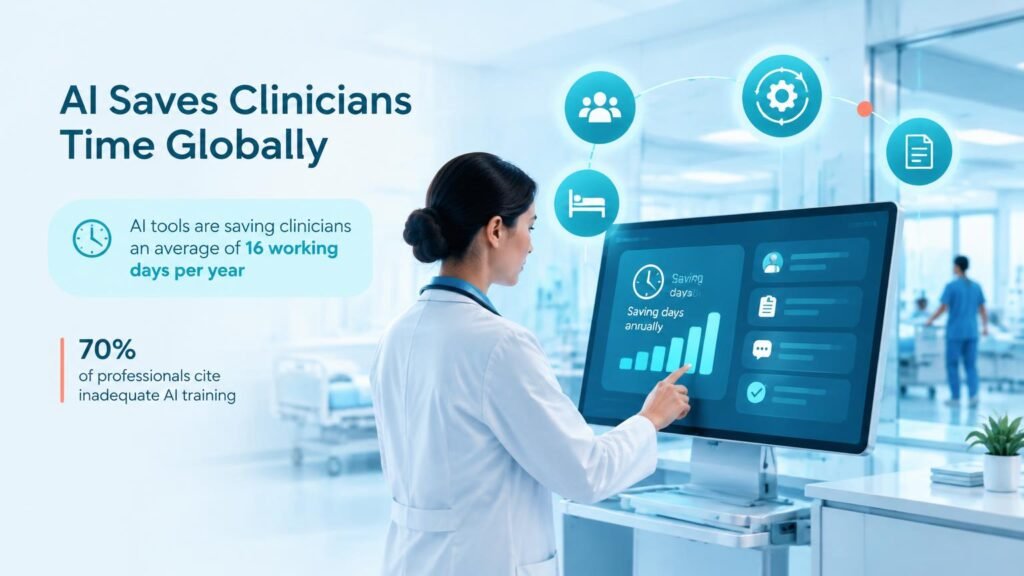
AI integration is no longer a future promise. Clinicians are currently reclaiming an average of 16 working days per year using automated tools, relieving severe operational bottlenecks. The relief is measurable, with 49% of clinicians reporting reduced work-related stress and 27% crediting AI with preventing medical errors.
The Shadow AI Risk
But this rapid adoption is outpacing institutional readiness. A striking 70% of healthcare professionals report inadequate training on the tools they are expected to use.
Faced with fragmented hospital infrastructure and a lack of official guidance, 64% of clinicians admit to using personal, unvetted AI tools to manage their workloads. This is a quiet crisis of shadow IT. Clinicians are not waiting for slow IT procurement cycles. They are downloading consumer tools to survive the daily administrative crush.
The Patient Pressure
The pressure is also mounting from the exam room. An overwhelming 74% of clinicians note that patients now bring AI-generated health data to their consultations.
This forces doctors to spend their newly recovered time validating or debunking external algorithms. Hospital leaders must realize that time savings mean nothing if clinical governance is compromised. Without formal training and standardized infrastructure, the efficiency gains of automation will be wiped out by the liabilities of unvalidated clinical advice.