Deploying AI to halve diagnostic wait times is a massive win, but it risks creating a dangerous bottleneck further down the care pathway.
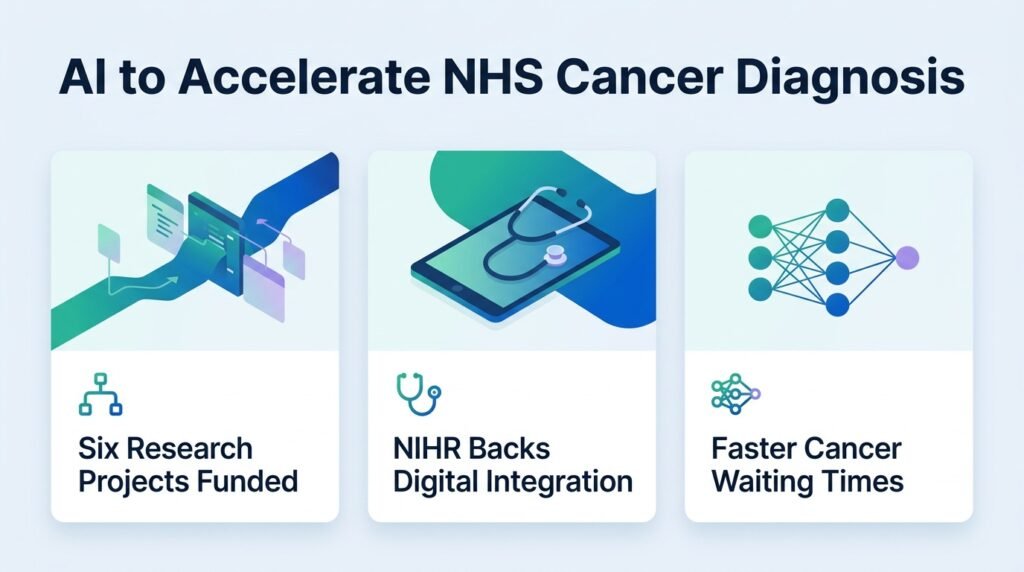
The UK government is injecting **£30 million** to scale AI across England’s National Health Service. The headline achievement is impressive. An AI tool trialed on **four million patients** cut lung cancer scan analysis times from **eight days to four**. By 2029, every NHS trust in England will use this technology.
But speed at the entry point does not guarantee faster treatment.
The downstream trap
An algorithm can flag a suspicious shadow on a chest X-ray in minutes. It cannot perform a biopsy, discuss a prognosis, or administer chemotherapy.
If the NHS does not expand its clinical workforce, patients will simply wait faster. They will transition from waiting weeks for a scan result to waiting months for an oncologist.
The success of this rollout hinges entirely on human capacity. Clinical leaders are already warning that faster detection is meaningless without the staff to deliver subsequent care.
A systemic imbalance
Technology is cheap compared to human labor. It is easy to deploy software to every trust in England. It is incredibly difficult to train and retain the radiographers, nurses, and doctors needed to act on those digital insights.
Without matching investments in human infrastructure, this digital push risks becoming a high-tech triage system for an overwhelmed workforce.
True modernization requires balancing digital speed with clinical capacity. Otherwise, we are just shifting the bottleneck.