Regulators are rushing to deploy artificial intelligence in clinical settings, but they are hitting a wall of public skepticism.
The push to integrate AI into the NHS has hit a fundamental friction point. While policymakers envision a streamlined, tech-driven health service, the public is refusing to write a blank check.
Recent feedback reveals that patient support for clinical AI is strictly conditional. People want guaranteed human oversight and equitable care, not just faster diagnostics. They fear being left at the mercy of an unfeeling algorithm.
The enforcement gap
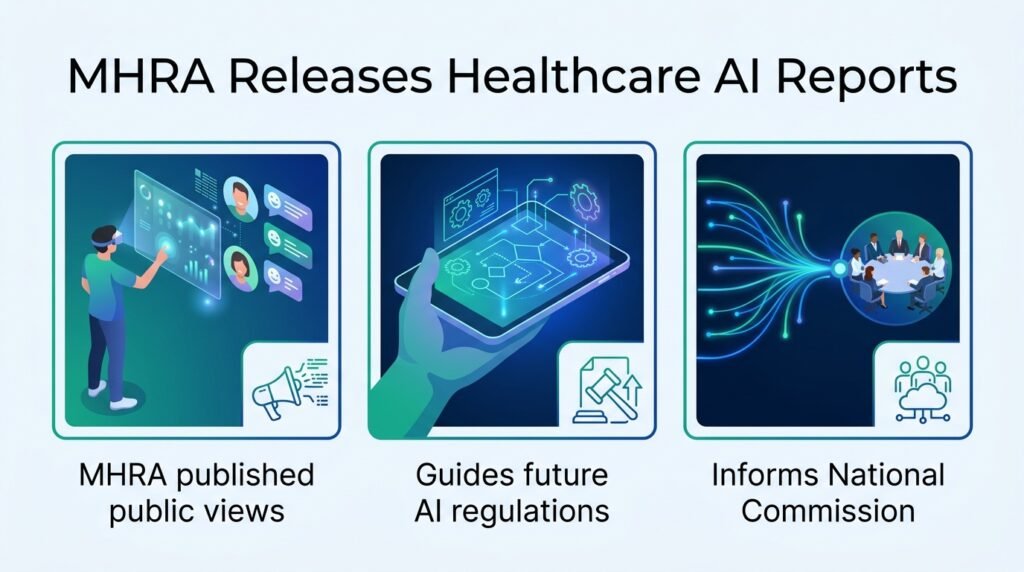
This skepticism explains why advisory bodies are now calling for a major shift in oversight. The National Commission into the Regulation of AI in Healthcare wants the MHRA to have stronger enforcement powers to ensure safety and transparency.
Currently, the regulatory framework is too fragmented. Medical bodies like the Royal College of Physicians point to unresolved clinical risks and murky liability rules. If an algorithm misdiagnoses a patient, who is legally responsible? Is it the software developer, the hospital trust, or the doctor who signed off on the recommendation?
Without clear answers, clinicians will hesitate to use these tools, and patients will actively resist them.
The trust deficit
The government wants the UK to lead in medical AI. However, leadership is not just about deploying algorithms. It is about building a safety net that the public actually trusts.
True safety requires transparency and real regulatory teeth. If the MHRA cannot actively police these tools, public backlash could stall clinical adoption for years. Innovation cannot outpace accountability.