The rush to digitize GLP-1 prescribing is exposing a dangerous rift between venture-backed growth targets and basic clinical caution.
How fast is too fast when prescribing blockbuster weight-loss drugs?
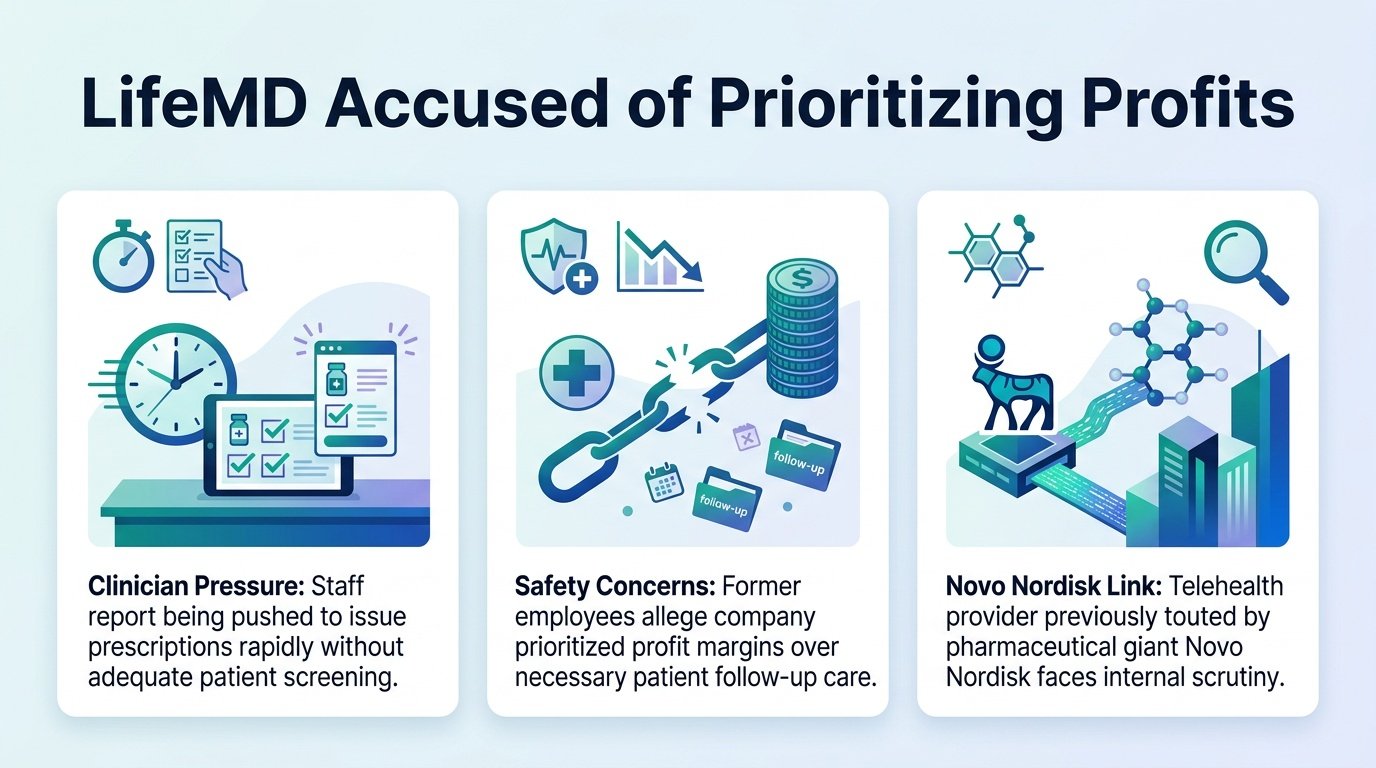
Former employees of telehealth platform LifeMD allege the company pressured clinicians to write prescriptions rapidly. They claim the platform sidelined thorough patient screening and essential follow-up care to maximize transaction volume.
This is not just an internal corporate dispute. It is a systemic warning sign for the entire digital health industry.
The Volume Trap
LifeMD is a key partner for Novo Nordisk, helping patients source authentic GLP-1 medications like Wegovy. But virtual care models often rely on high transaction volumes to offset rising customer acquisition costs.
When clinical platforms operate like assembly lines, safety protocols inevitably stretch thin. The company already faces a federal class-action lawsuit alleging it misled investors about its weight-management metrics.
This reveals the core tension of the digital health boom. Can a venture-backed platform scale at lightning speed without cutting clinical corners?
A Double Blindspot
The pressure is mounting from both sides of the partnership. Novo Nordisk itself recently received an FDA warning letter for failing to report serious adverse events, including patient deaths, linked to its semaglutide drugs.
When the drug manufacturer fails to track side effects properly, and the prescribing platform allegedly rushes patients through the door, the safety net disappears.
This situation challenges the narrative that telehealth is a seamless cure for healthcare access. Instead, it reveals how the pressure for rapid monetization can compromise patient care.
Investors and regulators must now ask a difficult question. Are virtual prescribing platforms built for clinical safety, or are they merely designed to feed the pharmaceutical supply chain?