

The UK is abandoning regulatory isolationism to keep its healthcare system from falling behind.
For years, post-Brexit Britain struggled to define its clinical identity. Now, the state is admitting it cannot police medical technology alone.
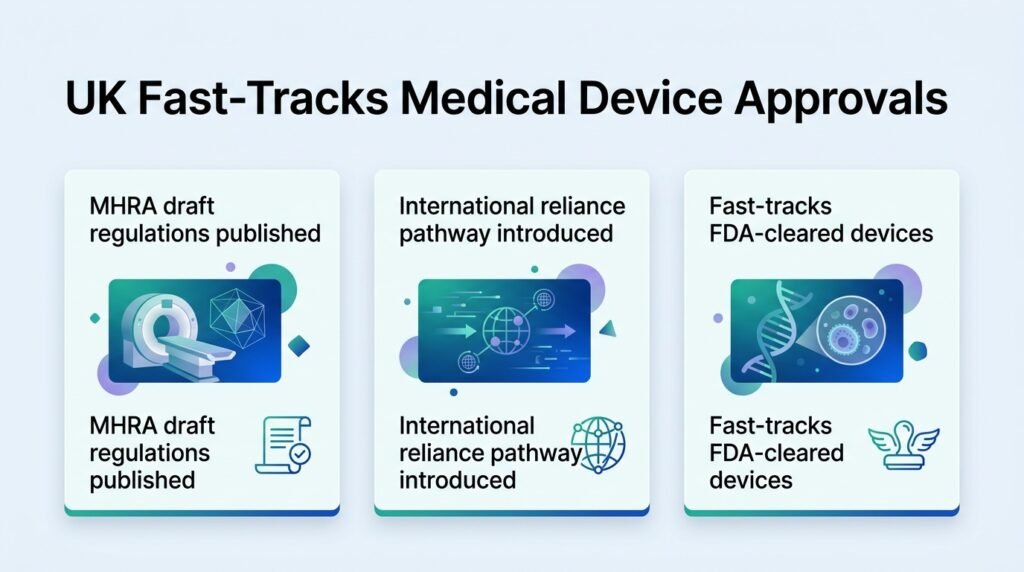
By drafting rules to fast-track medical devices already approved in the US, Australia, and Canada, the UK is choosing speed over sovereignty. It is a pragmatic surrender to market realities.
The fast-track reality
The proposed international reliance pathway means devices cleared by trusted foreign regulators will bypass redundant UK reviews.
This is not just about cutting red tape. The UK faces a stark reality: device manufacturers routinely prioritize the larger US and EU markets, leaving British patients waiting. Without this shortcut, the NHS risks falling behind in medical technology.
But speed brings friction. The new framework also introduces mandatory Unique Device Identifiers and stricter rules for diagnostic tests. It forces a trade-off between rapid access and independent oversight.
The software hurdle
The most complex shift targets digital health. The regulations introduce Predetermined Change Control Plans for AI and software.
This means developers must pre-register how their algorithms will adapt and learn in the wild. It is an ambitious attempt to regulate moving targets. However, the timeline is slow. Core rules take effect in June 2027, but the reliance pathway will not operate until mid-2028.
Can the UK maintain safety standards while outsourcing its vetting process? Relying on foreign greenlights saves administrative resources. Yet, it ties British healthcare safety to the diligence of external regulators. If a foreign regulator misses a flaw, the UK inherits the risk.