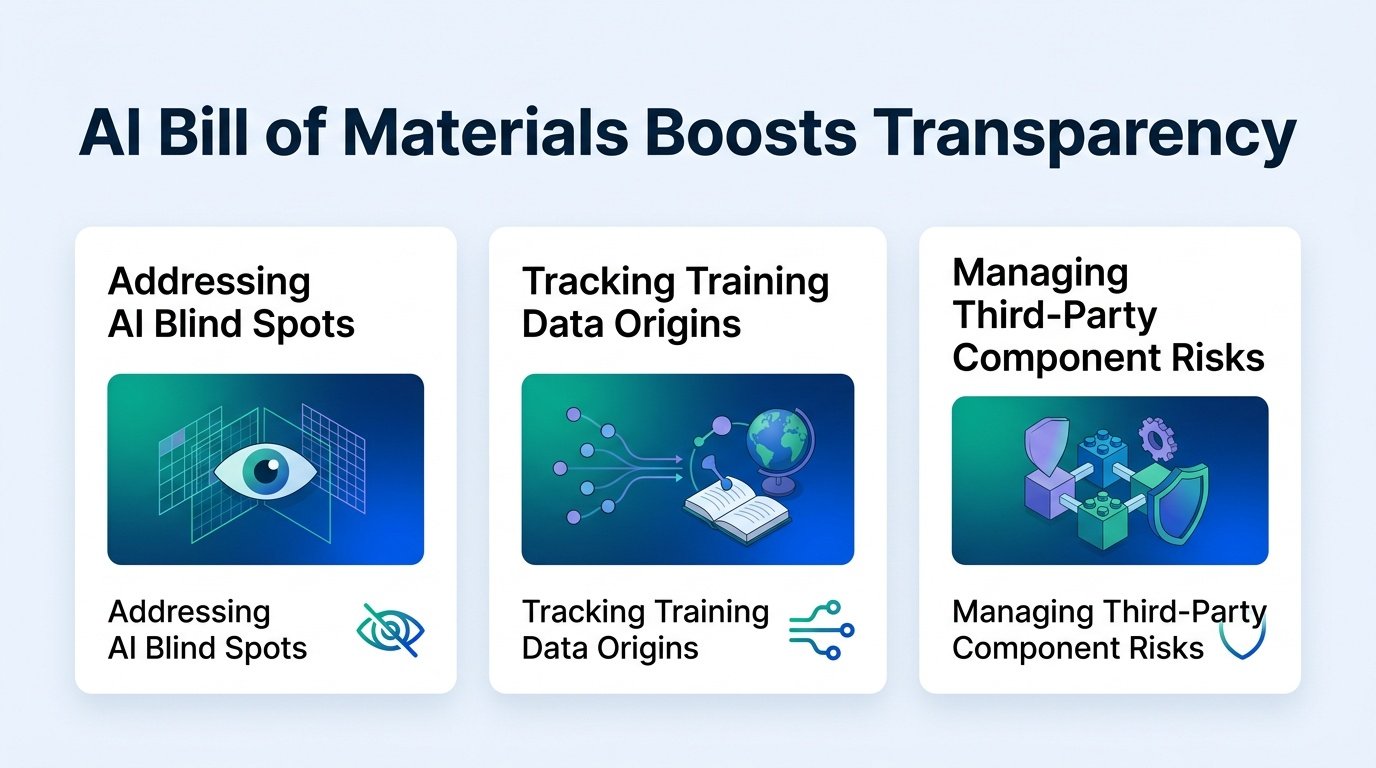
Healthcare providers are deploying algorithms without knowing what data trained them, creating a massive regulatory and clinical liability.
If a physical medical device fails, engineers pull the blueprint. But when an artificial intelligence system makes a flawed diagnostic decision, hospitals are left entirely in the dark. They rarely know which datasets trained the model, which code libraries were used, or even which version is currently running.
This blind spot is no longer just an operational headache. It is a massive clinical and legal liability.
The transparency mandate
Regulators are losing patience with the “black box” excuse. Stricter global rules are forcing a shift toward the AI Bill of Materials (AIBOM). Think of it as an ingredient label for software, detailing training data, third-party components, and model lineage.
Without this, procurement teams are flying blind. They are buying tools that could inherit biased training data or security vulnerabilities from unmapped open-source code. “Shadow AI” is quietly creeping into clinical workflows, leaving IT departments with no way to audit the tools clinicians are using.
A dangerous knowledge gap
Yet, a stark disconnect remains. While standardized machine-readable formats like CycloneDX and SPDX 3.0 exist to automate these labels, most medical AI developers remain entirely unaware of these frameworks.
This is a recipe for compliance failure. Hospitals must stop treating AI as a magic box. If a vendor cannot provide a clear, machine-readable bill of materials, healthcare systems should refuse to sign the contract. The clinical risk is simply too high.