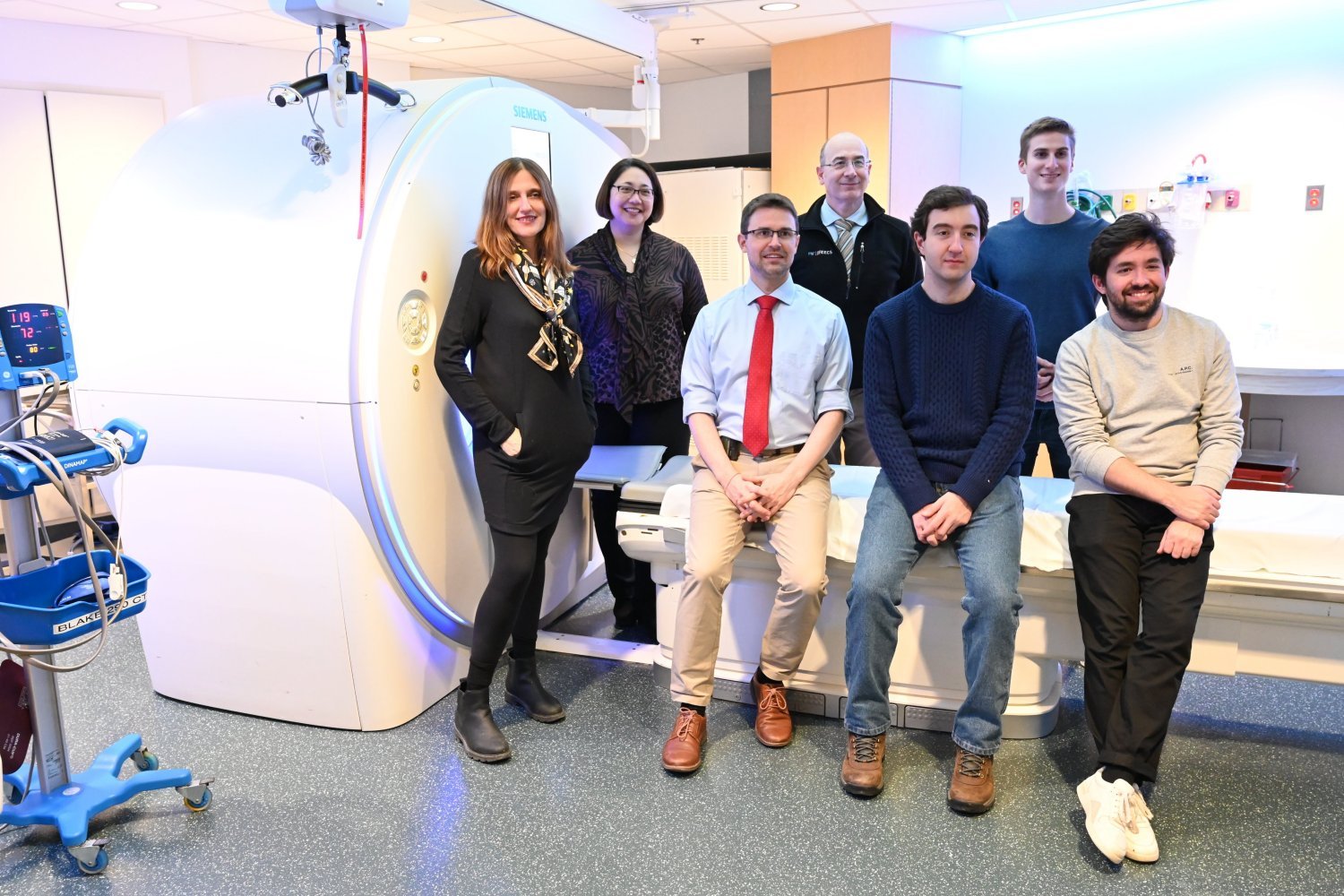
Lung cancer is the leading cause of cancer-related deaths globally, responsible for nearly one in five cancer fatalities, which translates to approximately 1.8 million deaths annually. A significant factor contributing to this high mortality rate is the late diagnosis of the disease. In its initial stages, lung cancer manifests as tiny nodules that are often indistinguishable from healthy tissue, even by seasoned radiologists.
Introduction of Sybil
Researchers from the Massachusetts Institute of Technology (MIT) and the Mass General Cancer Center have developed an innovative AI model named Sybil. This tool is designed to assess the risk of lung cancer in patients based on low-dose computed tomography (LDCT) scans. Here are some key points about Sybil:
- Sybil analyzes CT scan data to predict the likelihood of developing lung cancer within a six-year timeframe.
- The model operates independently of radiologist input, providing real-time clinical decision support.
- It has demonstrated a C-index score of over 0.7, indicating good predictive accuracy.
Importance of Early Detection
Early detection of lung cancer significantly improves survival rates. For instance:
- Patients diagnosed in the early stages have a five-year survival rate of approximately 70%.
- In contrast, those diagnosed at advanced stages have a five-year survival rate of less than 10%.
Challenges and Future Directions
Despite the promising results, the development of Sybil faced challenges due to the 3D nature of lung CT scans. The training data primarily consisted of scans without visible signs of cancer, making it difficult to identify early-stage tumors. However, the model has shown the ability to predict cancer risk even when the signs are not apparent to human observers.
Broader Implications
The introduction of Sybil could help address the underutilization of lung cancer screening programs, particularly in regions with high lung cancer rates. Current screening guidelines primarily focus on smokers, leaving a gap for non-smokers who may also be at risk. Future research aims to validate Sybil’s effectiveness across diverse populations, including non-smokers.
Conclusion
The development of Sybil represents a significant advancement in the early detection of lung cancer, potentially leading to improved patient outcomes. As research continues, there is hope that this AI tool will enhance screening practices and ultimately save lives.