Medical device makers are securing their hardware while leaving their third-party software vendors wide open to extortion.
Medical technology firms spend millions securing their physical devices from hackers. Yet, a recent breach at a prominent cardiac monitoring firm proves that the easiest path to sensitive patient data is often a simple social engineering trick aimed at an outside vendor.
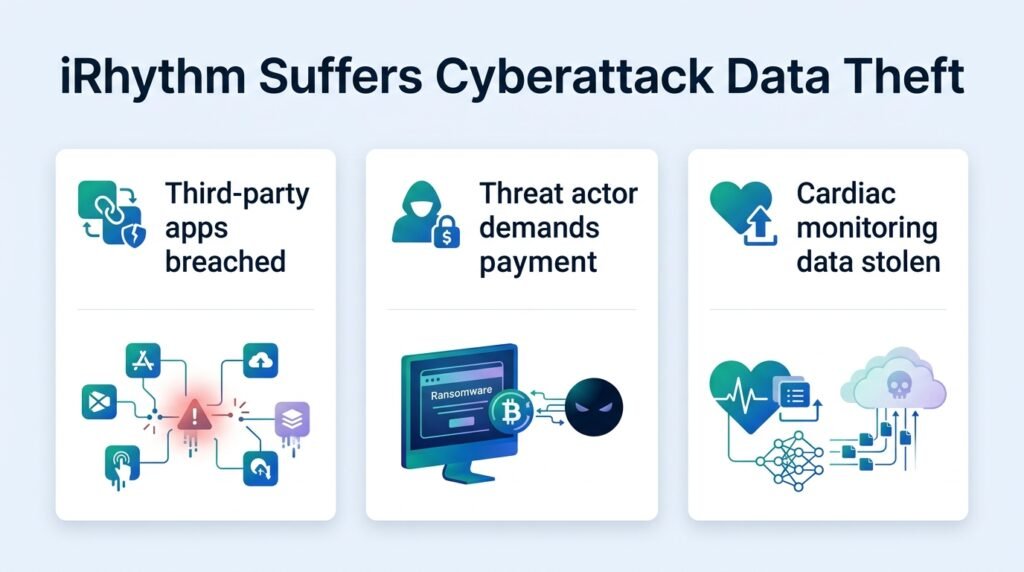
Attackers bypassed core clinical systems entirely. Instead, they targeted third-party-hosted business applications to steal proprietary corporate information and patient health data. Now, the hackers are demanding a ransom to keep the stolen data private.
The Vendor Weak Link
This incident exposes a critical blind spot in healthcare cybersecurity. Social engineering remains the most effective weapon in a hacker’s toolkit. It requires no complex coding, just a single employee fooled by a spoofed identity to compromise an entire network.
Companies can build fortress-like security around their actual medical patches and clinical databases. But if their external business software partners are vulnerable, the entire perimeter fails. The core clinical systems and patient-facing devices remained untouched in this breach, but that offers little comfort to patients whose personal health information is now bargaining chip material.
A Growing Pattern
This extortion attempt is not an isolated event. It follows a string of similar cyberattacks targeting major medical technology and pharmaceutical firms. Extortionists no longer need to lock up systems with ransomware to demand payouts. Simply threatening to leak proprietary corporate data and patient records is enough to force a crisis.
For the industry, the lesson is clear. Security audits must extend far beyond proprietary hardware. Until medical device companies hold their external software vendors to the same rigorous standards as their clinical tools, these back-door breaches will continue to disrupt the sector.