Clinical calculators dictate life-or-death medical decisions every day, but doctors have had no objective way to know which algorithms are actually safe to trust.
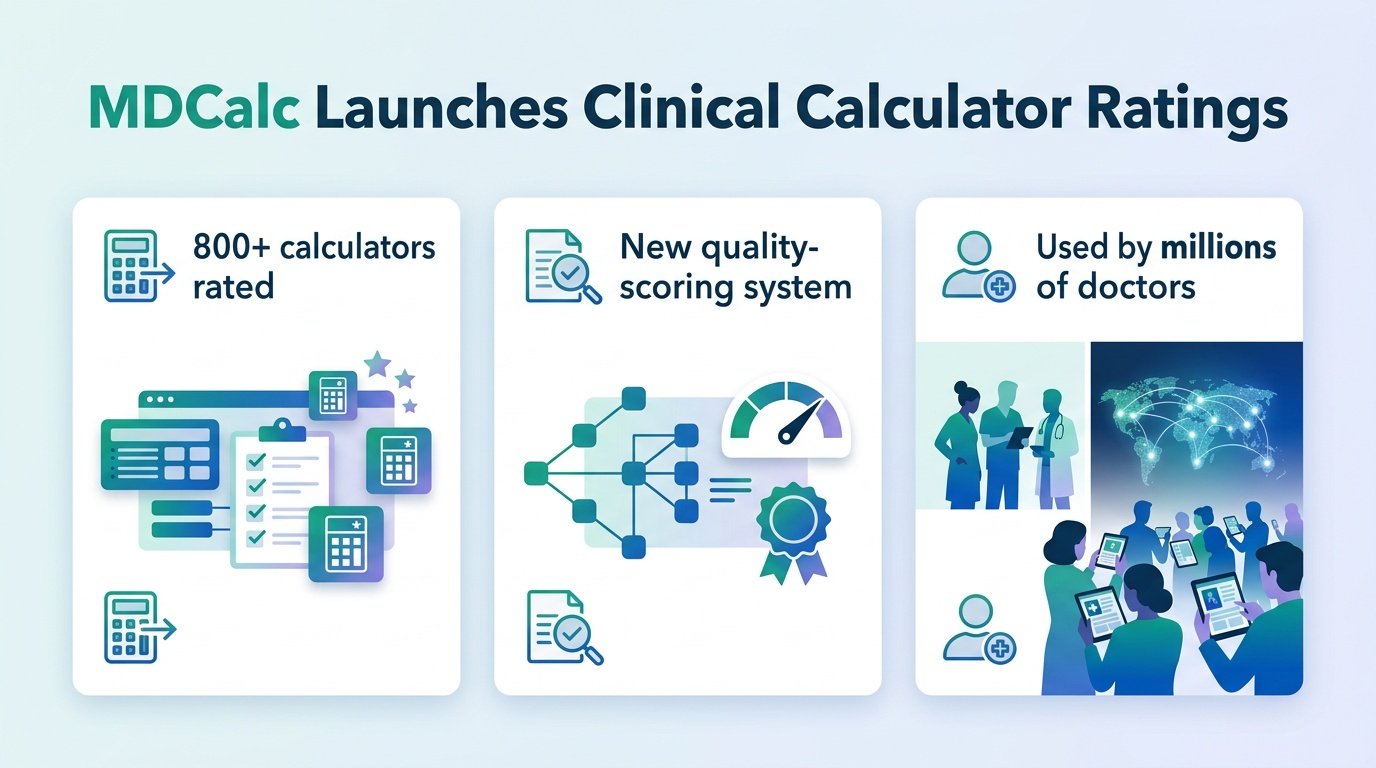
Doctors rely on digital calculators to decide who gets a kidney transplant, how to dose high-risk medications, or who is discharged from the emergency room. Yet, many of these tools are built on outdated science or biased demographic data. The introduction of a formal quality-rating system for over 800 clinical calculators marks a shift from blind trust to active auditing.
The Audit Era
The new Quality Rating System evaluates tools based on clinical importance, scientific soundness, usability, and fairness. Crucially, the framework penalizes models that worsen demographic disparities. If an algorithm exacerbates real-world inequalities, it receives zero points in the bias category.
This is a necessary reality check. For years, clinical algorithms operated in a regulatory gray zone. They escape the strict oversight applied to pharmaceuticals, yet they dictate patient care just as directly. By grading these tools, the initiative exposes an uncomfortable truth: some of our most relied-upon medical formulas are built on shaky foundations.
The Limits of Grading
However, a rating system is only as good as its adoption. Doctors in busy clinics may still default to the calculators pre-loaded into their electronic health records, regardless of an external grade. Furthermore, while penalizing biased tools is a step forward, simply flagging a bad algorithm does not instantly create a better, more equitable replacement.
This rating system signals that clinical algorithms are no longer exempt from rigorous, ongoing scrutiny. The era of the unvetted medical calculator is ending.