Paper-based tracking allows falsified medicines to circulate for months before health authorities notice.
Toxic and fake pharmaceuticals cost low- and middle-income countries an estimated $30.5 billion annually. Paper records and fragmented tracking delay regulatory responses while unsafe products stay on pharmacy shelves. Moving to interoperable digital platforms is no longer optional for global surveillance.
Ditching Paper Systems
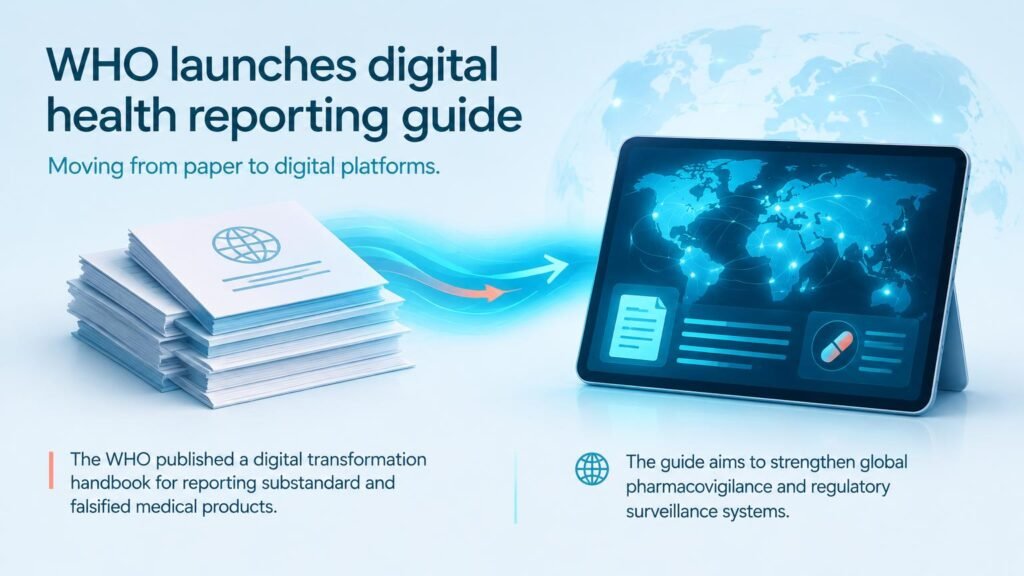
New operational guidelines from global health authorities establish a framework for nations to transition from manual reporting to unified digital platforms. Field pilots in Indonesia and Tanzania showed that paper-based reporting creates severe data bottlenecks. Standardized digital architectures allow local health workers to log suspicious batches instantly.
Implementation Reality
Digital reporting alone does not stop illicit trade. A software platform cannot fix broken physical supply chains or understaffed customs enforcement. Success depends on whether national regulatory bodies actually integrate these open data standards into daily operations.
Digital infrastructure speeds up detection, but enforcement requires local capacity.