Macular patterns of neuronal and visual field loss in recovered optic neuritis identified by machine learning.
Machine learning reveals visual field recovery in optic neuritis, despite retinal ganglion cell thinning. 🧠👁️

Machine learning reveals visual field recovery in optic neuritis, despite retinal ganglion cell thinning. 🧠👁️

We reviewed a study on ComBat’s effectiveness in harmonizing MRI data across sites. Results show improved data reliability. 🧠📊
New research explores EEG data for predicting traits like biological age. Promising methods enhance accuracy in neuroscience. 🧠📊
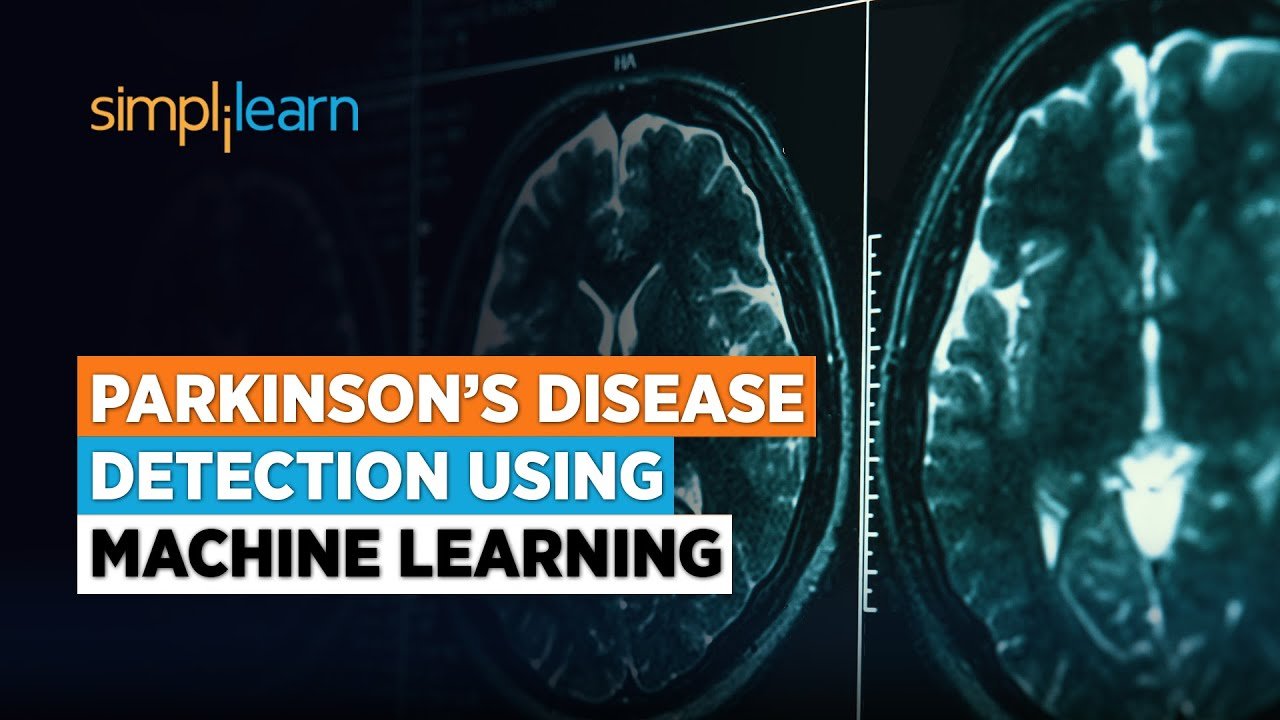
New method detects Parkinson’s disease through emotional response analysis. Near-perfect accuracy achieved using brain scan data. 🧠📊
Exploring AI’s role in pediatric surgery. 🤖👶 We reviewed the article by Aliyeva A. for insights.
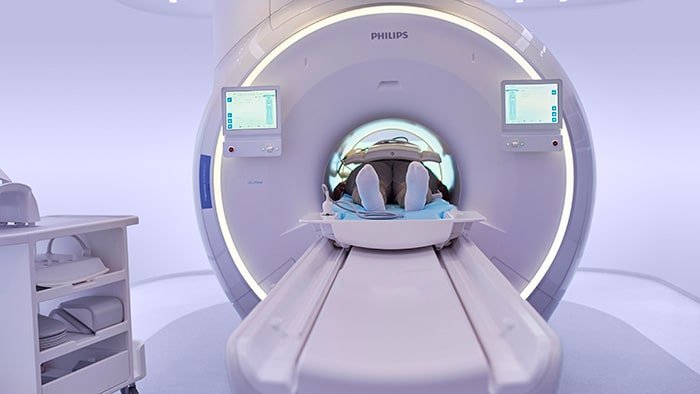
Philips and Mayo Clinic collaborate to improve cardiac MRI using AI, enhancing efficiency and patient experience. 🫀🤖

A recent PubMed article compares spiral and line drawings for recognizing Parkinson’s and cerebellar symptoms. 🧠✍️

New tools for predicting outcomes in hypoxic-ischemic encephalopathy post-cardiac arrest are crucial for informed decision-making. 🧠💔
AI outperforms human experts in predicting neuroscience study outcomes, achieving 81% accuracy compared to 63% for humans. 🤖📊
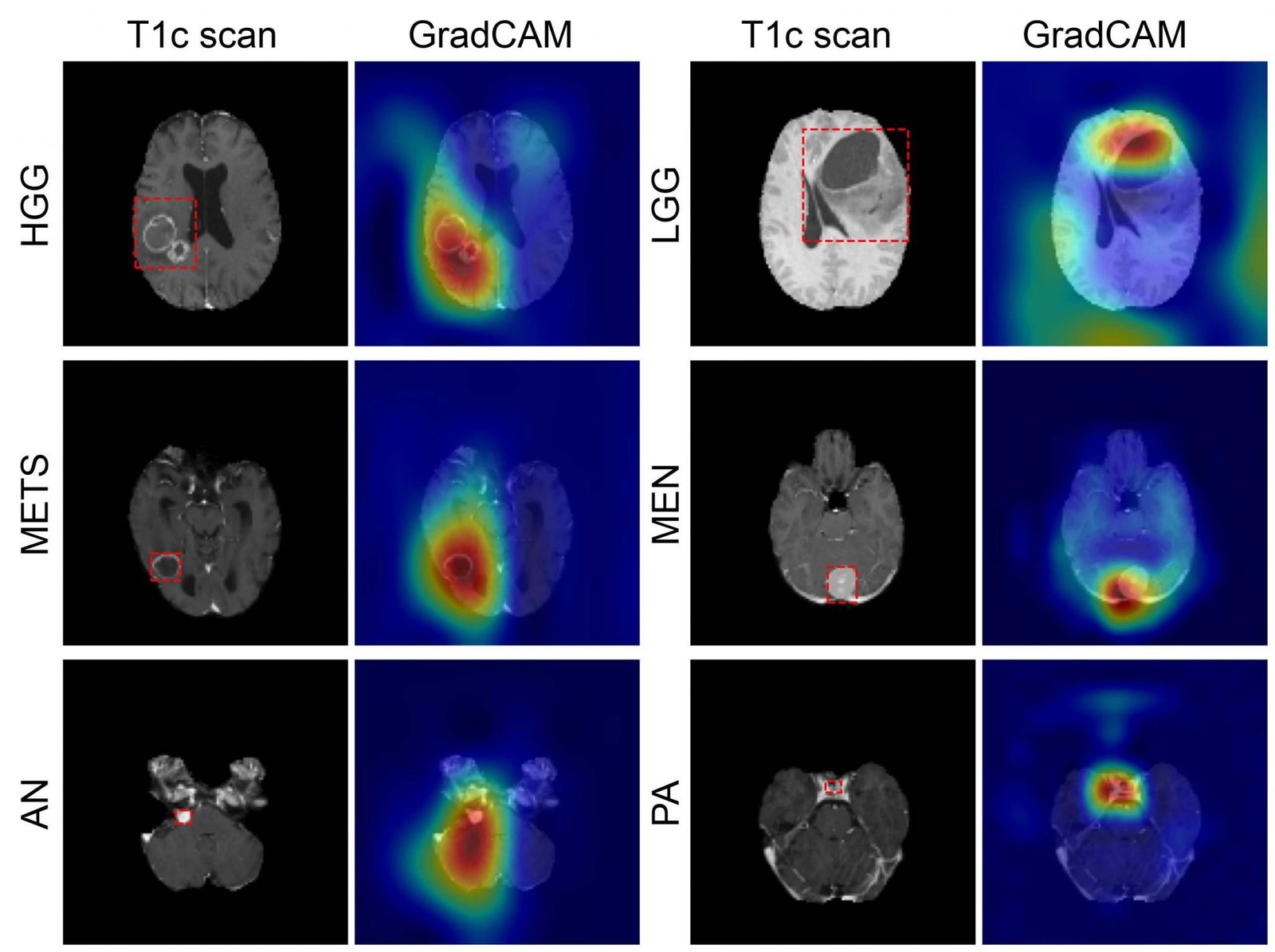
AI Model Detects Brain Tumors in 10 Seconds 🧠⏱️
FastGlioma improves surgical outcomes by identifying residual tumors more accurately than traditional methods.