
Ideas for building
better health AI.
Research summaries, product thinking and developments at the intersection of health and artificial intelligence.
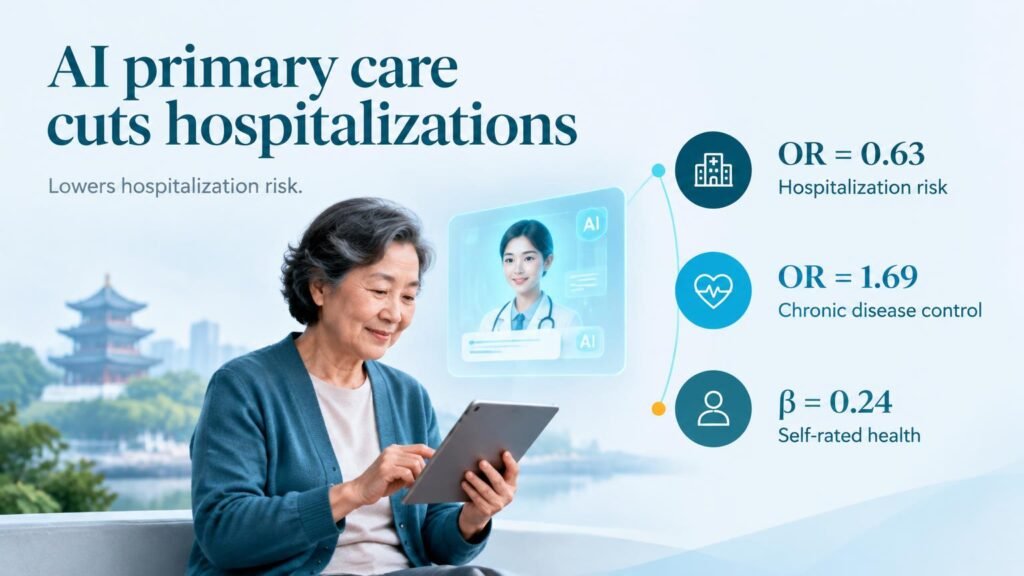
AI primary care cuts hospitalizations in China study
Automated triage and follow-up tools improve chronic disease management for older adults, but only...
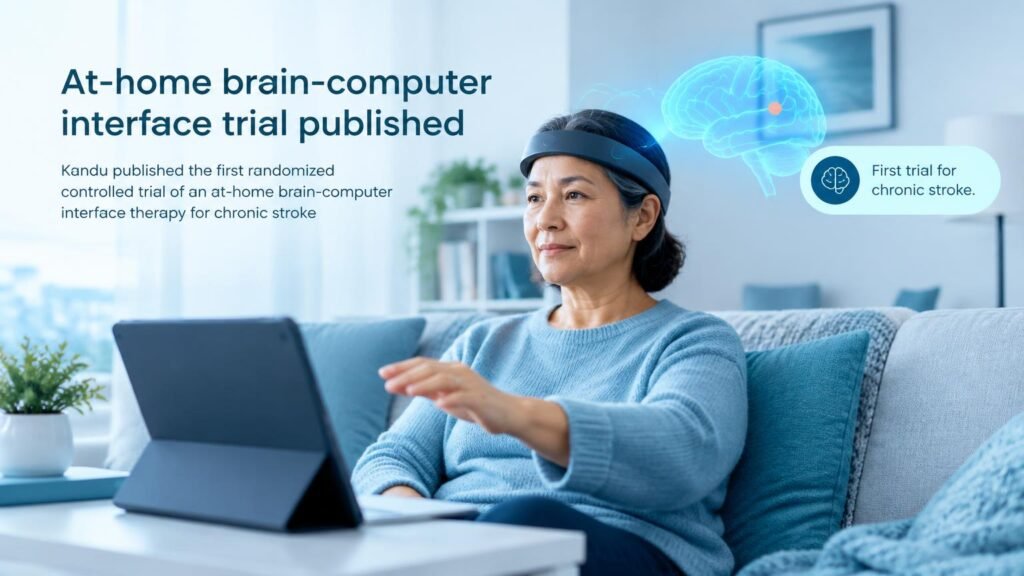
Home Brain Computer Interface Restores Stroke Recovery
Post-stroke physical recovery does not have to end when patients leave the clinic.
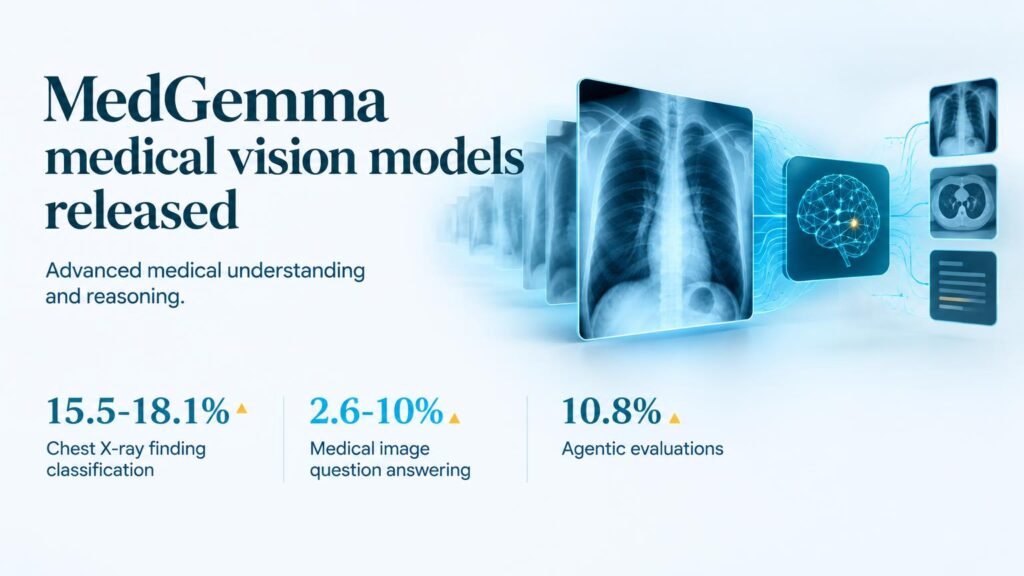
Google releases open medical vision model MedGemma
Open-weight medical AI models are proving that domain-specific fine-tuning can outperform massive general systems...

Abu Dhabi Regulates Autonomous Clinical AI Deployment
Abu Dhabi has released a regulatory framework establishing formal authorization pathways for AI systems...
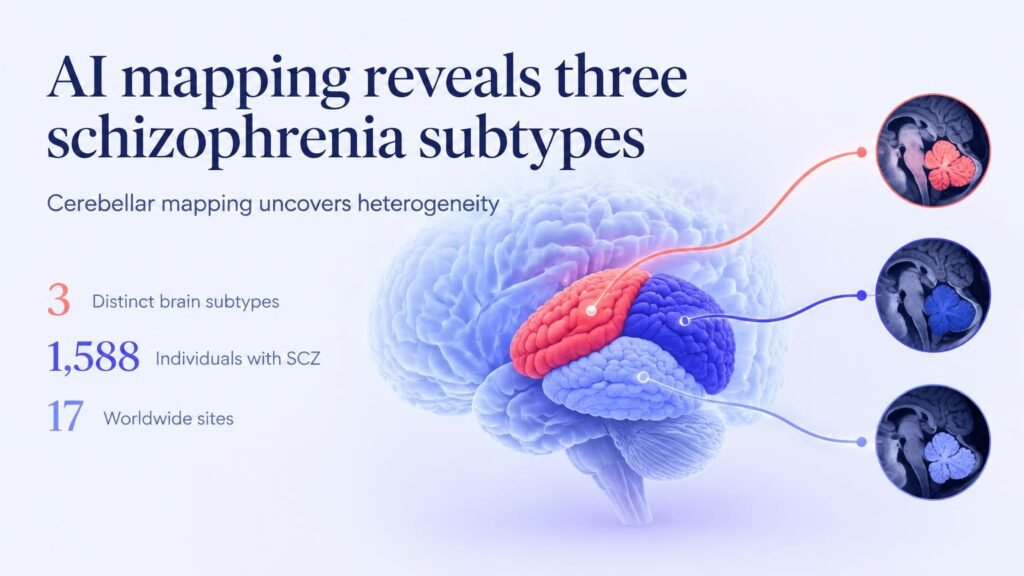
AI mapping reveals three distinct schizophrenia brain subtypes
Machine learning on cerebellar MRI scans reveals that schizophrenia is not a single structural...

VA Integrates Epic Systems for Direct Scheduling
Veterans can now book external specialty care appointments in real time through direct electronic...
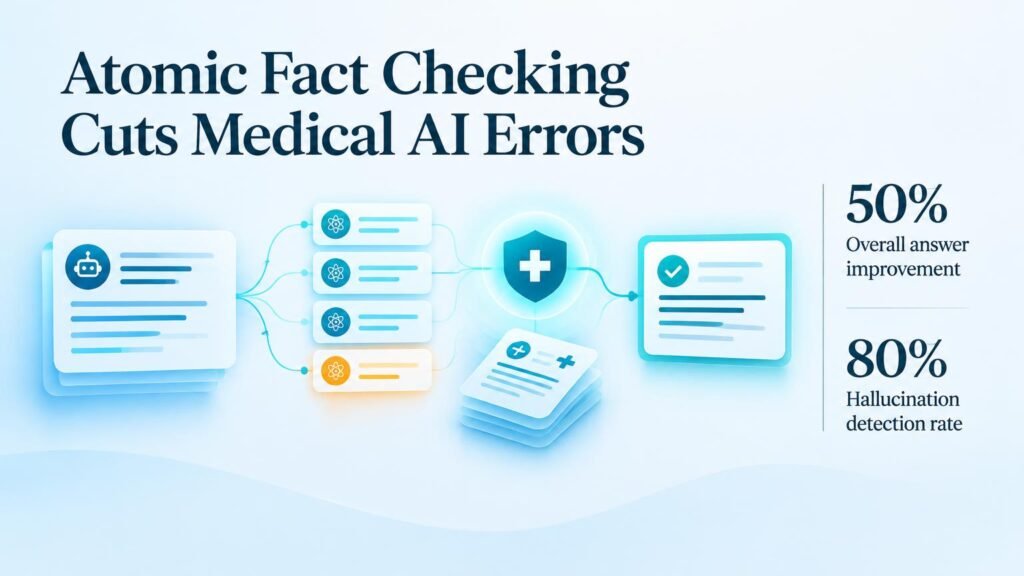
Atomic Fact Checking Cuts Medical AI Errors
Breaking AI responses into single statements catches critical medical errors that standard retrieval systems...
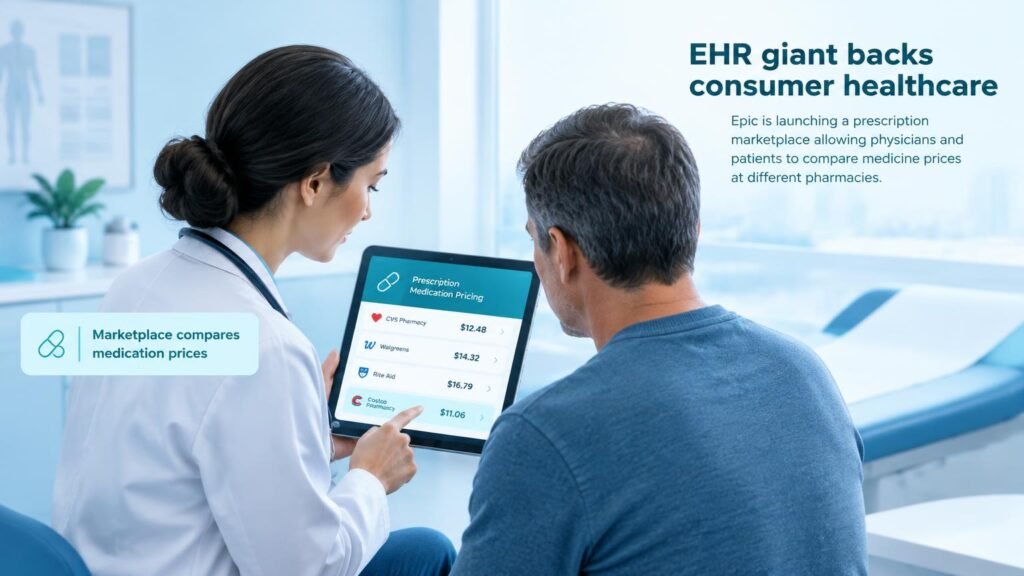
Epic Integrates Cash Drug Prices Into EHRs
Physicians will soon see real-time drug cash prices alongside insurance estimates directly inside the...
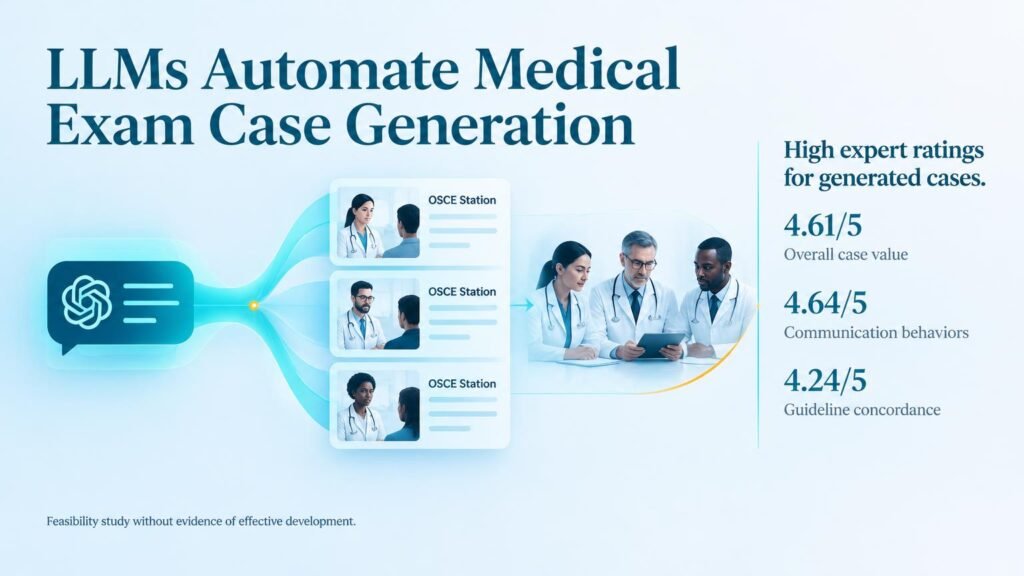
LLMs Can Build Medical Exam Cases Automatically
Generative AI can draft full clinical examination stations in a single prompt, but clinical...
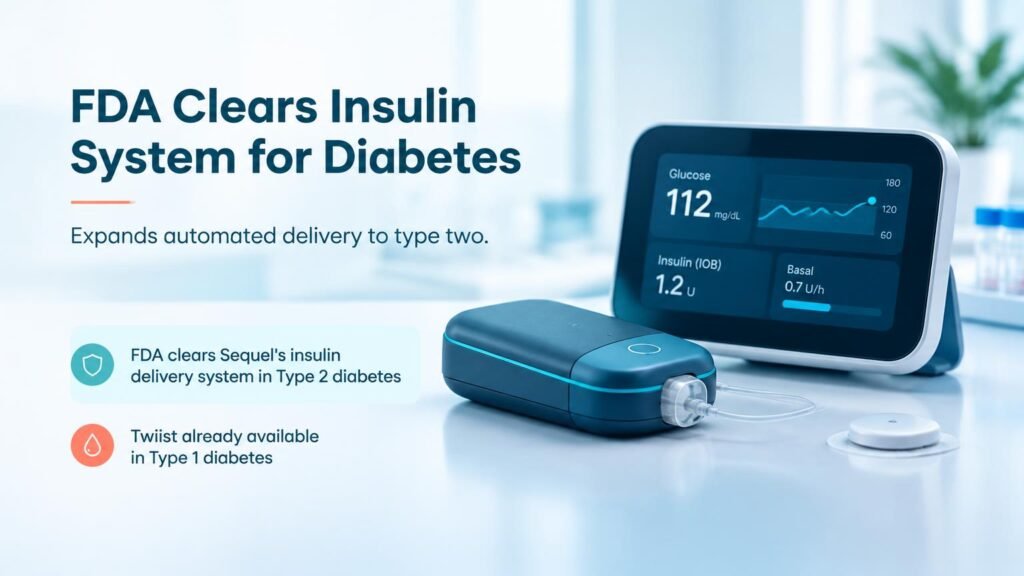
FDA Clears Twiist Insulin Pump for Type 2
Automated insulin delivery is moving rapidly into Type 2 diabetes care, shifting daily management...
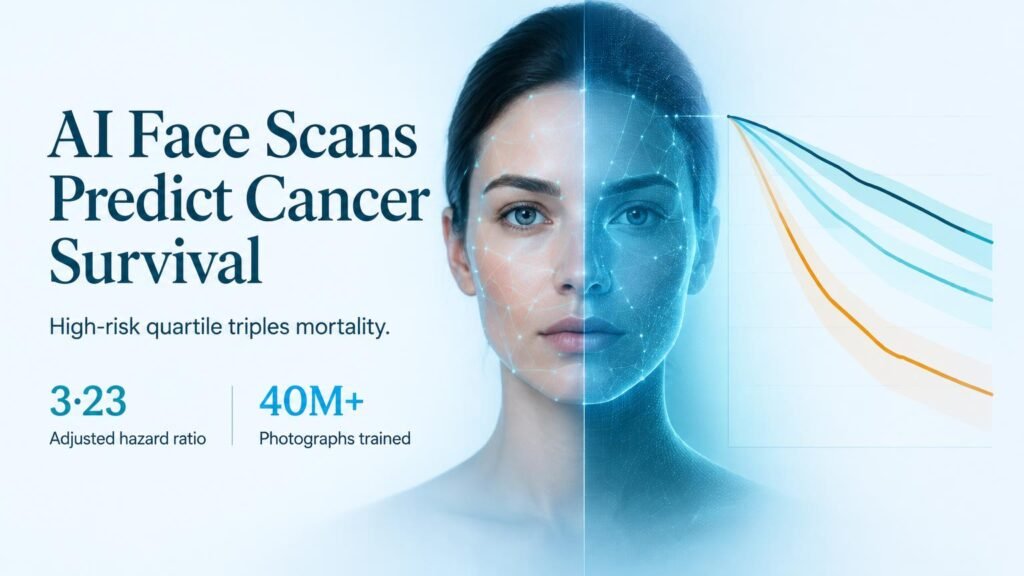
AI face scans predict cancer patient survival risk
A single facial photograph can now track biological aging and signal mortality risk in...
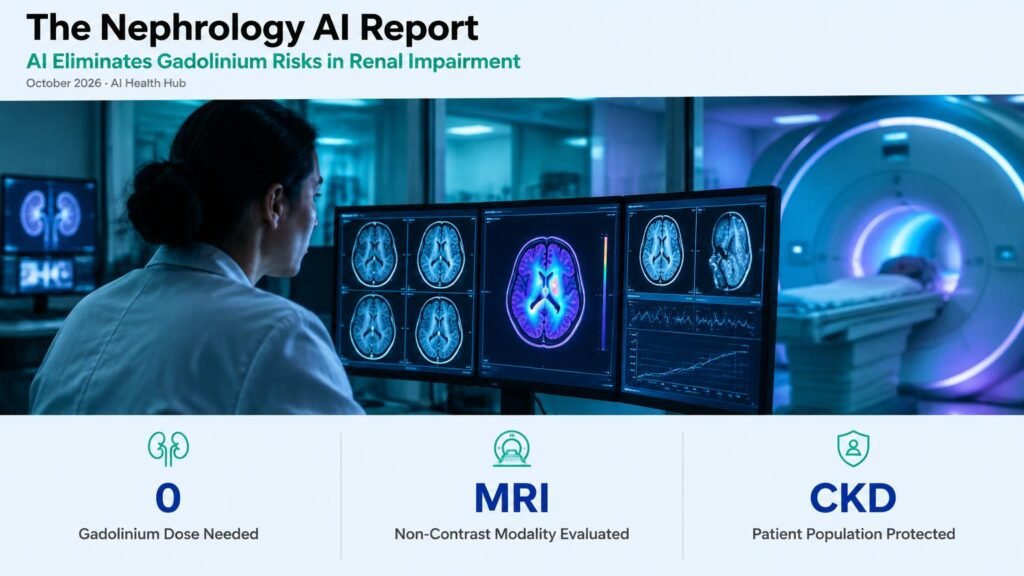
Deep Learning Predicts Contrast Enhancement Without Gadolinium Exposure
A deep learning model predicts brain tumor contrast enhancement on MRI, potentially eliminating gadolinium...