

Overview
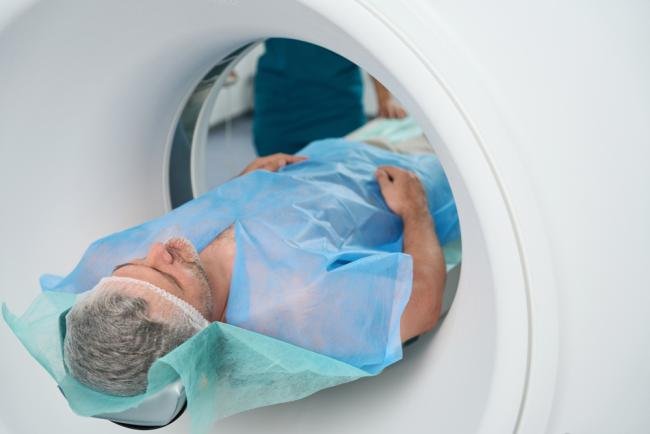
A research team supported by the National Institutes of Health (NIH) has created a machine learning model that has the potential to significantly enhance the diagnostic capabilities of medical scans. This tool, named Merlin, is designed to analyze 3D abdominal computed tomography (CT) scans, performing tasks ranging from identifying anatomical structures to predicting disease onset years in advance.
Key Features of Merlin
- Advanced Analysis: Merlin can interpret complex 3D images, a capability that surpasses many existing models limited to 2D images.
- Training Data: The model was trained on over 15,000 abdominal CT scans, paired with radiology reports and nearly 1 million diagnosis codes.
- High Accuracy: Merlin achieved over 81% accuracy in predicting diagnoses across hundreds of codes, with some codes exceeding 90% accuracy.
- Chronic Disease Prediction: The model can predict the likelihood of healthy patients developing chronic diseases within five years with 75% accuracy.
- Generalizability: Merlin demonstrated strong performance even when analyzing chest CT scans, which were not part of its training data.
Implications for Clinical Practice
The development of Merlin addresses the growing demand for radiological assessments amid a shortage of radiologists. By potentially reducing the time required for scan interpretation, Merlin could streamline the diagnostic process and enhance clinical decision-making.
Future Directions
The research team aims to refine Merlin for more complex tasks, such as generating radiology reports. They also plan to seek regulatory approval for its use in clinical settings. The model, along with its training data, has been made available for further research and development.
Conclusion
The introduction of Merlin marks a significant step forward in the integration of artificial intelligence in medical imaging, promising to alleviate the workload of radiologists while improving diagnostic accuracy and patient outcomes.