Deploying diagnostic AI to vulnerable populations is a high-stakes test of whether technology can solve the physician shortage without worsening health disparities.
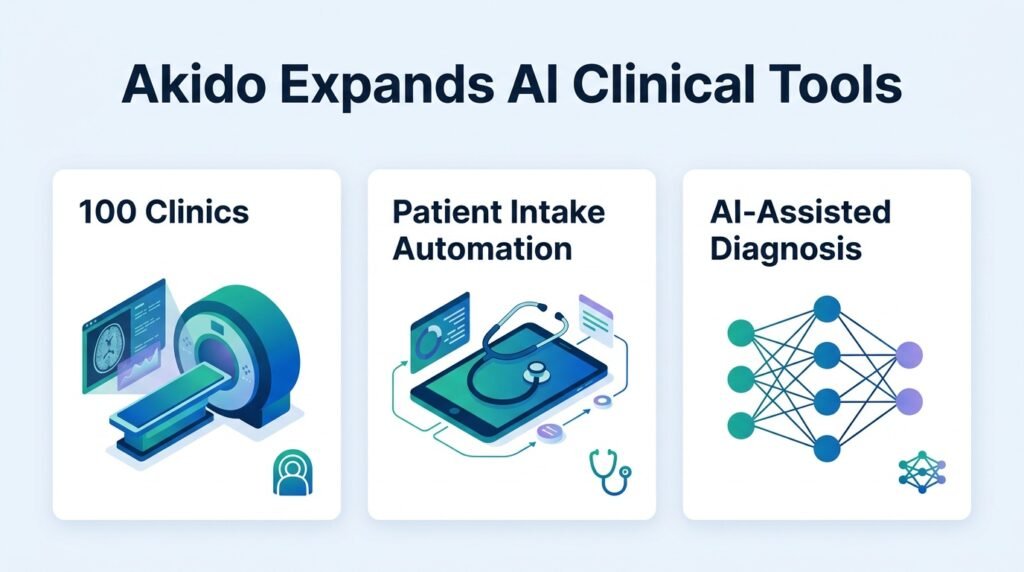
Akido is expanding its ScopeAI technology across 100 clinics and street medicine teams. Backed by a $60 million Series B funding round, the move signals a shift from experimental pilot programs to aggressive, real-world deployment.
The immediate appeal is obvious. Clinicians are drowning in paperwork, and patients face massive wait times. AI triage seems like the perfect escape valve.
The early promise
In Los Angeles, the technology helped drive a 55% reduction in emergency department visits among unhoused populations. By streamlining intake and suggesting potential diagnoses, the software aims to give doctors more face-time with patients.
But scaling this technology to 100 clinics introduces severe risks.
The scale risk
Street medicine and community clinics serve patients with complex, non-standard medical histories. Algorithmic bias is a quiet threat. If the training data lacks representation, the AI may misdiagnose vulnerable groups.
There are also looming questions about data privacy for populations who cannot easily advocate for themselves.
Replacing human triage with algorithms is a cheap fix for a systemic doctor shortage. But if the AI fails, the poorest patients will pay the price.