⚡ Quick Summary
The article titled AI in Medical Education-Readiness Without Guidance explores the integration of artificial intelligence in medical education, highlighting the challenges and opportunities that arise when implementing AI technologies without structured guidance. The authors emphasize the need for a strategic approach to ensure effective utilization of AI in training future healthcare professionals.
🔍 Key Details
- 📝 Authors: Lander P, Harris BHL, Koizia LJ
- 📅 Publication Year: 2026
- 📖 Journal: Clin Teach
- 🔗 DOI: 10.1111/tct.70438
🔑 Key Takeaways
- 🤖 AI integration in medical education is becoming increasingly important.
- 📚 Readiness for AI use varies significantly among educators and institutions.
- 🛠️ Lack of guidance can lead to ineffective implementation of AI technologies.
- 🌱 Strategic frameworks are essential for successful AI integration in curricula.
- 👩⚕️ Future healthcare professionals must be trained to work alongside AI tools.
- 🔍 Ongoing research is needed to assess the impact of AI on learning outcomes.
- 🌍 Global collaboration can enhance the development of AI in medical education.
📚 Background
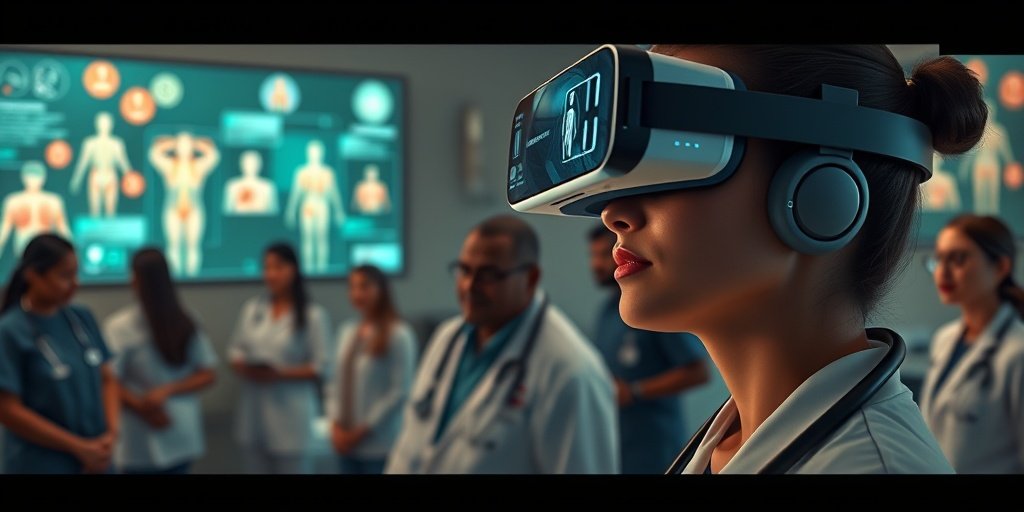
The rapid advancement of artificial intelligence technologies presents both opportunities and challenges in the field of medical education. As AI tools become more prevalent, it is crucial to understand how they can be effectively integrated into training programs. The lack of structured guidance on AI implementation can hinder the potential benefits that these technologies offer to educators and students alike.
🗒️ Study
The authors conducted a comprehensive review of the current landscape of AI in medical education, focusing on the readiness of institutions to adopt these technologies. They examined various case studies and frameworks to identify best practices and potential pitfalls in the integration process. The study highlights the importance of preparing educators and students for a future where AI plays a significant role in healthcare.
📈 Results
The findings indicate that while there is a growing interest in AI among medical educators, many institutions lack the necessary resources and frameworks to implement these technologies effectively. The authors found that strategic planning and collaborative efforts are essential for fostering an environment conducive to AI integration in medical curricula.
🌍 Impact and Implications
The implications of this study are profound. By addressing the challenges of AI integration in medical education, institutions can enhance the training of future healthcare professionals. This could lead to improved patient care and outcomes as new generations of doctors become adept at utilizing AI tools in their practice. The authors advocate for a collaborative approach to develop guidelines and resources that support educators in this transition.
🔮 Conclusion
The article underscores the critical need for a structured approach to integrating AI in medical education. As the healthcare landscape evolves, so too must the training of future professionals. By fostering readiness and providing guidance, we can ensure that AI technologies are harnessed effectively, ultimately benefiting both educators and students. The future of medical education is bright, and with the right strategies in place, AI can play a transformative role.
💬 Your comments
What are your thoughts on the integration of AI in medical education? How do you think we can better prepare future healthcare professionals for this technological shift? 💬 Share your insights in the comments below or connect with us on social media:
AI in Medical Education-Readiness Without Guidance.
Abstract
None
Author: [‘Lander P’, ‘Harris BHL’, ‘Koizia LJ’]
Journal: Clin Teach
Citation: Lander P, et al. AI in Medical Education-Readiness Without Guidance. AI in Medical Education-Readiness Without Guidance. 2026; 23:e70438. doi: 10.1111/tct.70438