A new computational pathology model exposes the limits of human sight in oncology, diagnosing complex brain tumors in minutes rather than weeks.
Waiting nearly two weeks for a brain tumor diagnosis is an agonizing standard in modern oncology. That delay exists because identifying precise molecular subtypes requires expensive, specialized DNA methylation testing.
The Speed Shift
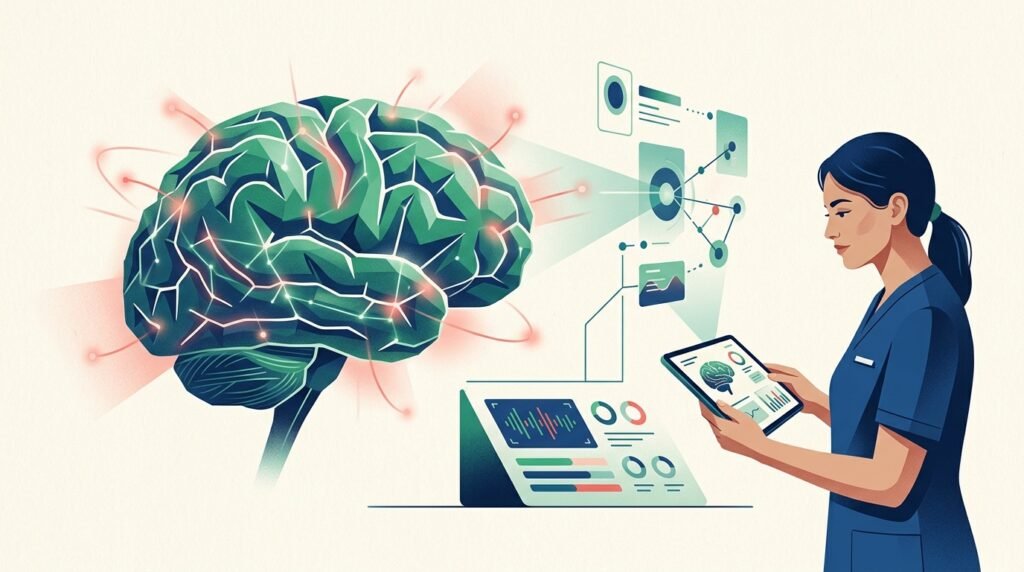
A newly developed AI system called Hetairos cuts this diagnostic window from twelve days to just twelve minutes. By analyzing digitized tissue samples, the system predicts 102 distinct molecular tumor subtypes without requiring scarce or expensive DNA sequencing.
In head-to-head trials, the AI achieved 68% diagnostic accuracy. Meanwhile, five senior neuropathologists averaged just 30% accuracy when analyzing the same digital slides.
This is not just about speed. It reveals a stark reality: human eyes cannot reliably detect the subtle visual patterns that map to molecular cancer profiles. We have reached the limits of manual pathology.
The Realist Angle
But 68% is not perfect. In clinical practice, a 32% error rate means this tool cannot act as a solo diagnostic authority yet. It is an assistant, not a replacement.
Instead, its immediate value lies in democratization. For clinics lacking advanced molecular labs, or when a biopsy yields too little tissue for genetic sequencing, this software provides a vital first line of defense. It shifts advanced oncology from a luxury of elite academic medical centers to a software-enabled standard accessible anywhere. The future of oncology is not just faster; it is more equitable.