 Yusuf Yesil, MD, MIS
Bypassing the Lab Bottleneck
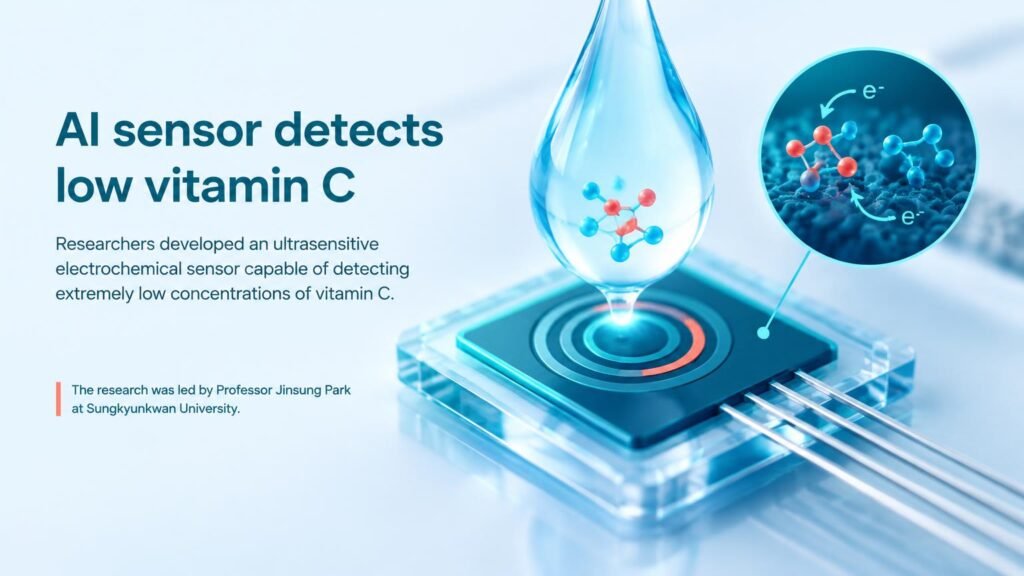
Engineering chemical sensors usually takes months of manual tweaking. Researchers at Sungkyunkwan University used machine learning to predict optimal sensor fabrication parameters from a minimal dataset, skipping tedious physical testing.
The result is an electrochemical sensor capable of detecting vitamin C at picomolar concentrations—down to 778 pM—in human serum and urine. Combining machine learning with molecularly imprinted polymers achieved unprecedented sensitivity.
Diagnostic Limits Remain
High sensitivity in biofluids does not automatically mean better clinical outcomes. This bench-top validation proves the material synthesis works, but it does not account for real-world patient variability or immediate clinical utility.
The immediate impact is speed and cost. This data-driven framework allows lab teams to rapidly reconfigure sensors for other critical disease biomarkers, significantly cutting early-stage diagnostic hardware development timelines.