Yusuf Yesil, MD, MIS
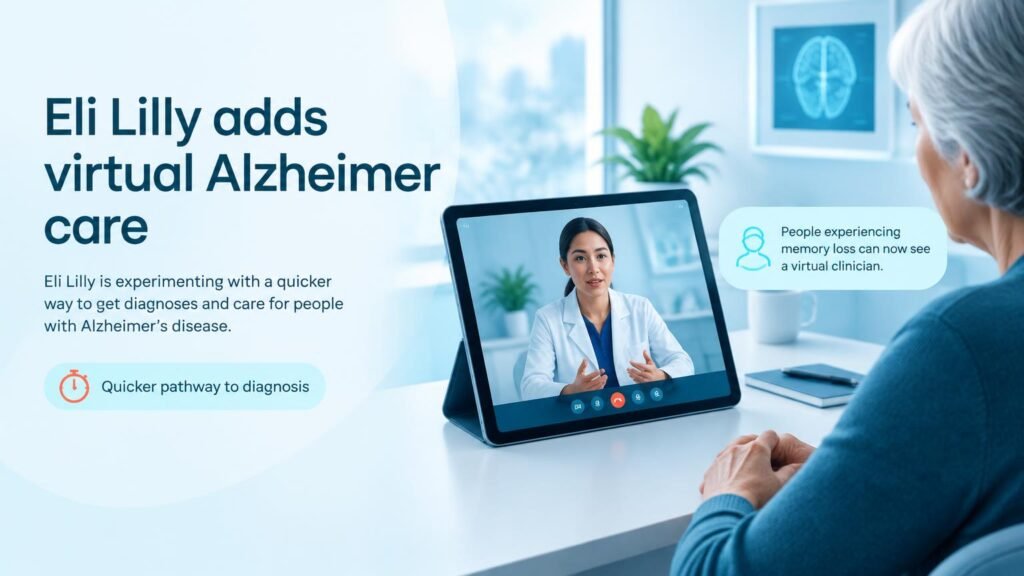
Eli Lilly is routing potential Alzheimer’s patients to virtual primary care providers to bypass months-long neurologist waitlists.
Patients experiencing early cognitive decline frequently wait up to a year to see a specialist. That delay closes the therapeutic window for early-stage Alzheimer’s treatments, including Eli Lilly’s FDA-approved therapy Kisunla.
Bypassing the Specialist Bottleneck
Through its LillyDirect platform, the drugmaker is partnering with telehealth startup General Medicine. Instead of waiting for a specialist, patients can consult virtual primary care clinicians who initiate initial cognitive assessments, order blood work, and arrange imaging referrals.
This operational shift attempts to solve a critical infrastructure problem: diagnostic access. By moving early screening into virtual general medicine, the pathway to treatment accelerates significantly.
Commercial Realities and Limits
The strategic play directly serves commercial interests. Broadening access to screening creates a direct pipeline of eligible candidates for specialized therapies. However, virtual triage is not a complete clinical replacement. Screenings still require localized, in-person imaging and biomarker testing to confirm diagnoses, and telehealth cannot expand the physical supply of specialized care facilities.
For health systems, this setup signals a transition toward decentralized early screening, though the burden of definitive diagnostic validation remains anchored in traditional care settings.