Mobile AI screening tools are filling critical diagnostic gaps in conflict zones where radiologists do not exist.
Frontline Triage
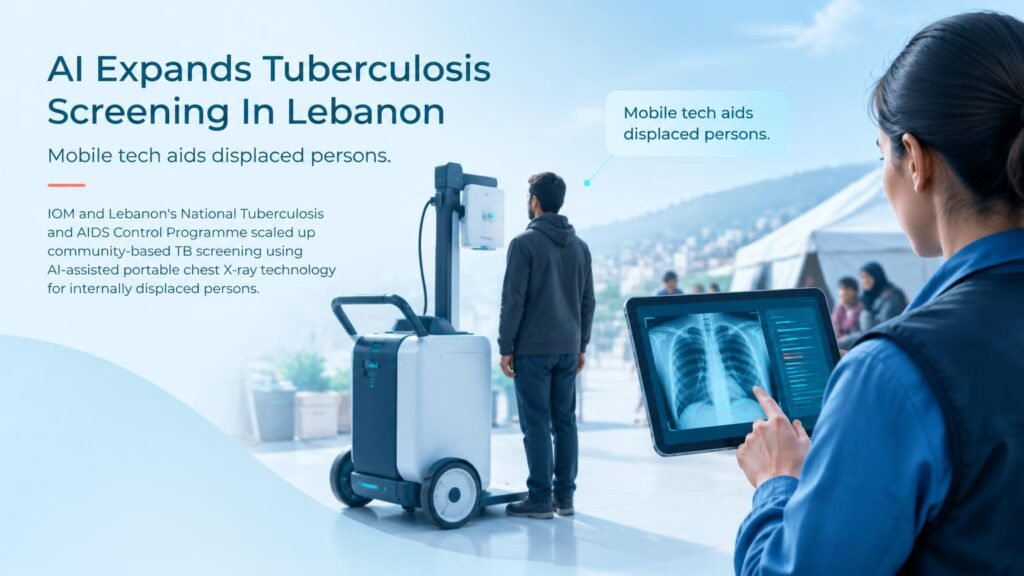
Screening for active tuberculosis in crisis settings usually fails for one basic reason: a severe shortage of radiologists to read chest imaging. Between March and May, health teams in Lebanon screened over 12,700 internally displaced persons across four major regions using ultraportable X-ray units paired with automated detection software.
This approach changes the operational math of humanitarian medicine. Instead of transporting vulnerable populations to overwhelmed urban hospitals or waiting days for remote expert reviews, non-specialist field workers obtain instant risk scores at the point of care.
Filter, Not Final Diagnosis
The technology functions as an immediate triage filter rather than a definitive diagnostic replacement. High-risk individuals are identified on the spot and routed directly to laboratory testing. Rapid triage cuts off undetected transmission chains inside overcrowded shelters where respiratory infections spread quickly.
Deploying automated software in field conditions bypasses severe specialist bottlenecks. However, algorithmic triaging carries distinct operational limits that teams must manage carefully.
Chest software can mistake historical lung scars or unrelated pulmonary conditions for active disease. These false positives risk overloading scarce confirmatory testing supplies. High field accuracy speeds up initial case finding, but public health containment ultimately depends on reliable laboratory logistics and consistent drug supplies.
Without guaranteed follow-up infrastructure, rapid screening risks identifying patients who cannot receive proper treatment. Automated tools optimize the front end of care, but human health systems must deliver the results.