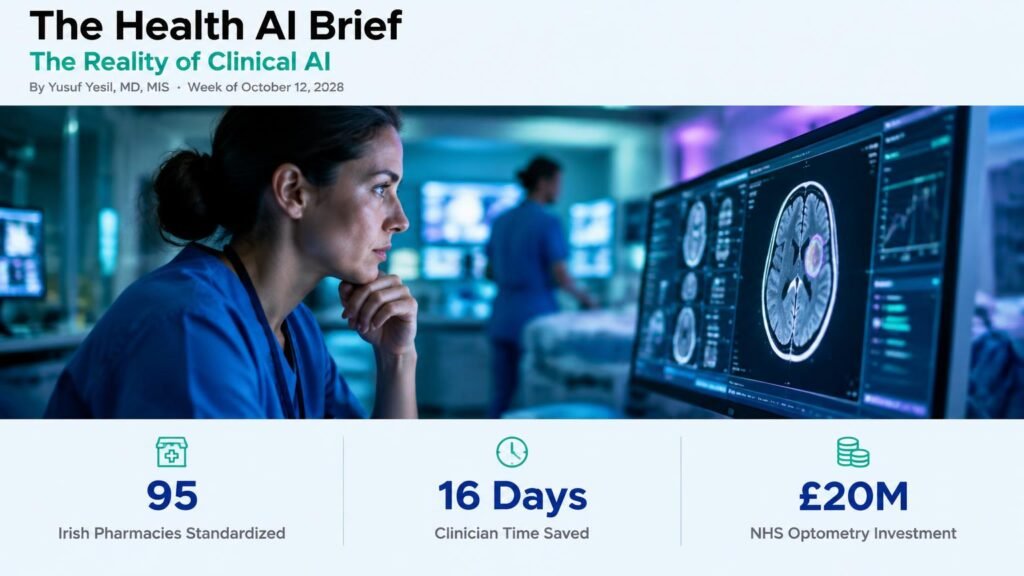
More than half of patients receiving migraine treatments in Türkiye never get an official migraine diagnosis in their medical records.
Doctors routinely treat patients for severe migraines while labeling their charts as generic headache disorders. Natural language processing software extracted electronic health records from 23 Turkish clinics to expose a major disconnect between clinical coding and actual prescribing. This administrative blind spot conceals real disease burden, inflates brain scan expenses, and leaves patients on older secondary drugs.
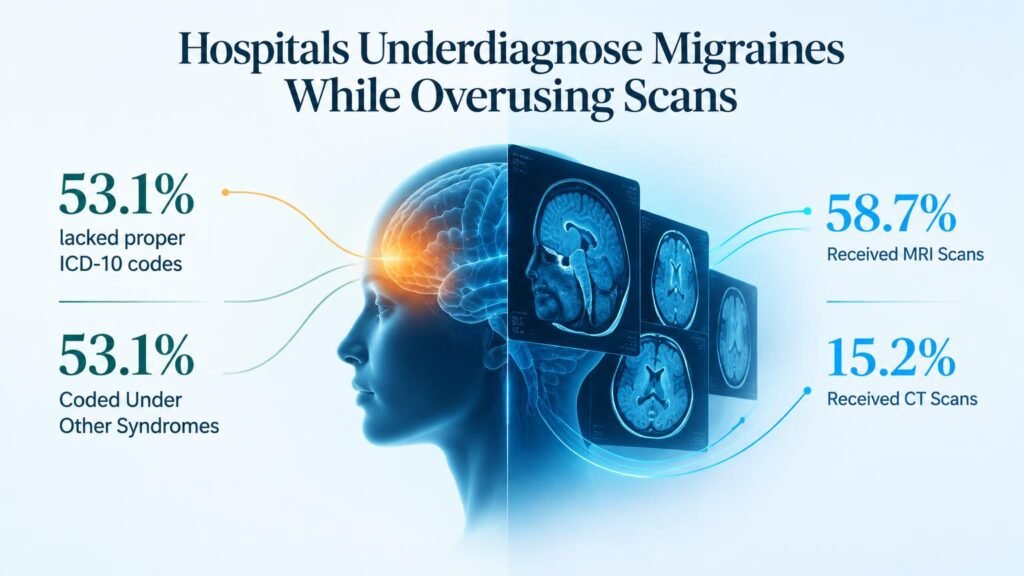
The retrospective registry analyzed records from 90,381 neurology patients across eight cities, identifying 16,751 (18.5%) with suspected or confirmed migraine. Among the final cohort of 11,023 adults, who averaged 41.5 years of age and were 73% female, only 46.9% carried a formal ICD-10 migraine code. The remaining 53.1% were classified under non-specific headache syndromes despite regularly receiving migraine-specific medications.
Misdiagnosis inflates medical costs
Without clean diagnostic coding, health systems struggle to justify targeted care, leading providers to fall back on defensive testing and legacy drugs. Brain imaging was exceptionally high across the registry, with 58.7% of patients undergoing an MRI and 15.2% receiving a CT scan, while 18.4% required emergency room care. Modern targeted therapies were rare, with Botox prescribed to 10.3% of patients and CGRP monoclonal antibodies reaching just 3.4%.
Instead, clinicians relied heavily on older broad-spectrum preventives. Overall, 63.7% of patients received preventive drugs, but these were primarily antidepressants at 31.4% and beta-blockers at 19.4%.
That disconnect is the real operational bottleneck.
Why chart audits matter
This pattern reveals how poor record-keeping hides clinical demand and restricts modern drug access. Broader evidence shows that AI can identify undiagnosed migraine patients directly from unstructured clinician notes. When primary billing records misclassify illness, health systems undercount actual disease prevalence and fail to secure reimbursement for targeted biologics.
Key registry findings
- 53.1% of treated patients lacked a formal ICD-10 migraine code.
- 58.7% of patients received MRI brain scans.
- 3.4% of patients accessed targeted CGRP antibody therapies.
These findings come with real limitations. Retrospective chart extractions from single-region electronic health records cannot prove that correcting administrative coding directly improves patient outcomes or reduces emergency room visits. Unstructured text mining can also miss medications filled at external pharmacies.
The immediate takeaway is operational rather than technological. Health systems should deploy clinical text mining to fix misclassified billing records and curb unnecessary neuroimaging before investing in expensive new therapeutic lines.
Read the full analysis in Frontiers in Neurology.