
A massive capital injection for an AI-native benefits platform signals that employers are desperate to escape the steepest health insurance cost hikes in twenty years.
Small and midsize businesses are trapped. Traditional health insurance premiums are soaring at their fastest rate in two decades, forcing employers to choose between cutting benefits or absorbing unsustainable overhead.
The shift to level-funded plans
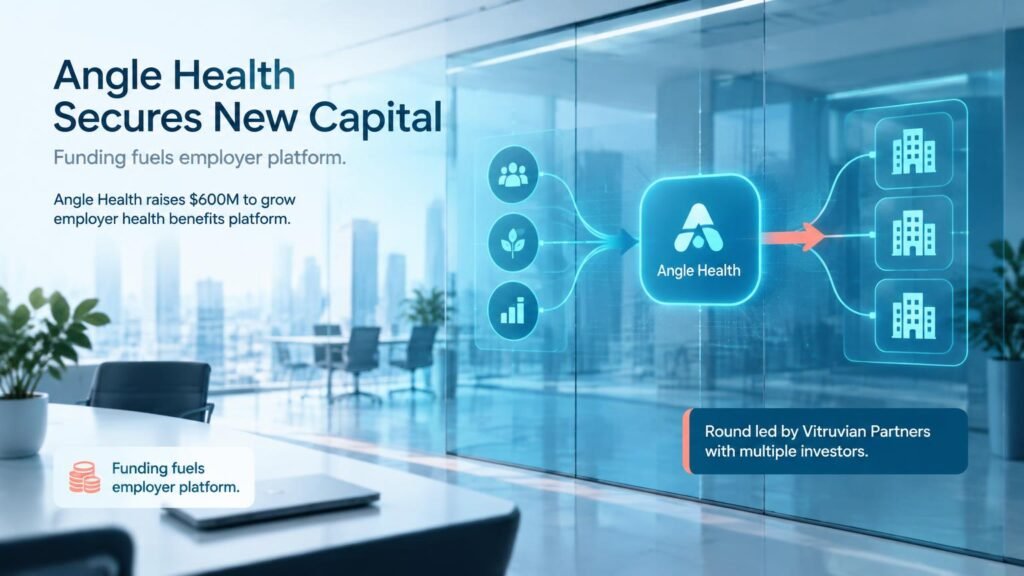
Instead of waiting for legacy carriers to modernize, employers are turning to alternative risk models. Angle Health’s recent $600 million funding round, valuing the company at $2.7 billion, proves that level-funded hybrid plans are no longer a niche experiment. Founded by former Palantir engineers, the platform now serves over 5,000 employers across 47 states.
This is an operational shift. Traditional insurers rely on legacy actuarial models that price risk broadly, often overcharging smaller groups to cover margin gaps. AI-driven underwriting attempts to price risk at a granular level. This allows smaller firms to self-insure with a safety net, keeping renewal increases well below the market average.
The actuarial catch
But algorithmic underwriting is not a cure-all for systemic healthcare inflation. Level-funded plans protect employers from catastrophic claims through stop-loss insurance, but they still expose smaller businesses to volatility if local healthcare utilization spikes.
The long-term test is whether these AI models can accurately predict risk across diverse employee pools over a full economic cycle. If the algorithms miscalculate, either premiums will spike at renewal or the platform’s profitability—currently at four consecutive quarters—will erode. For now, the capital surge shows that employers are willing to bet on algorithmic pricing to survive the premium crisis.