
As climate change accelerates pathogen transmission, clinical tools must adapt faster than the rising temperatures.
How do you fight an ancient killer when the weather itself is working against you?
Diarrheal diseases still claim over one million lives every year. Now, rising global temperatures and extreme flooding are projected to add 48,000 annual childhood deaths by 2030. The traditional medical response is simply too slow for this shifting landscape.
The Climate Speed Trap
Warmer waters and flooding fast-track pathogens like cholera and rotavirus. In sub-Saharan Africa, where the burden is heaviest, clinics cannot wait days for lab results while patients dehydrate.
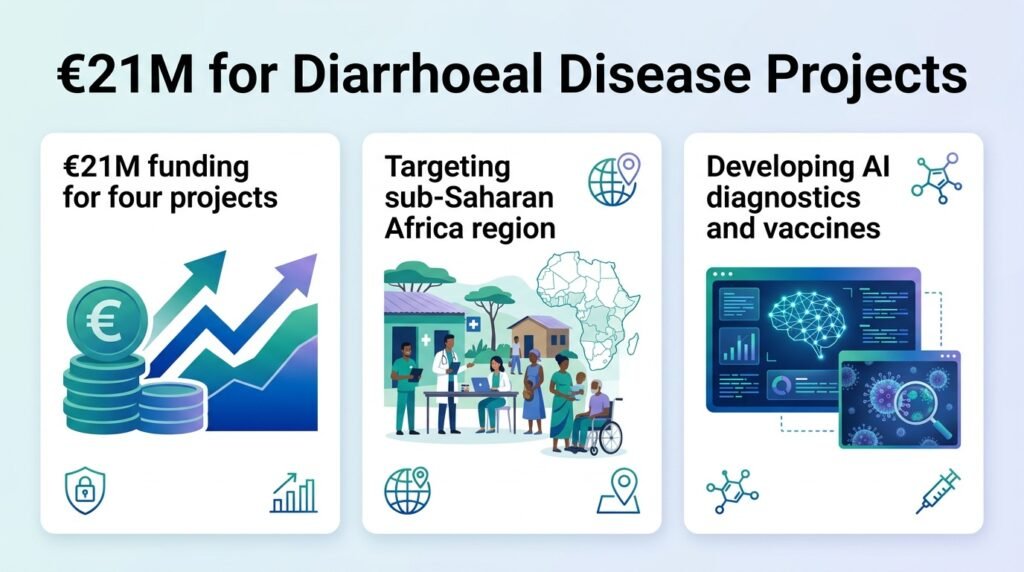
A new €21 million investment funding four distinct projects aims to shift the strategy from reactive treatment to rapid, localized defense. The most critical shift is not just developing new drugs, but changing how clinicians deploy them.
AI on the Frontlines
One project is testing an offline AI diagnostic tool that delivers treatment recommendations in under five minutes.
This speed is crucial because rising antibiotic resistance means guessing is no longer safe. By analyzing data offline, the tool bypasses the lack of reliable internet in rural clinics. Meanwhile, other projects are pushing a new cholera drug through Phase III trials.
But technology alone will not solve systemic infrastructure deficits.
An offline AI tool is only as good as the supply chain delivering the recommended treatments. If the drugs are not on the shelf, a five-minute diagnosis is just a fast notification of a slow crisis.