

A simple ten-second heart trace can now flag diabetes and kidney disease before symptoms even appear.
The standard electrocardiogram is a century-old technology. Doctors use it to check for immediate heart attacks, but they routinely overlook the subtle electrical patterns buried deep within the wave.
New deep-learning models are changing this baseline. By analyzing standard ten-second traces in under two seconds, AI is turning a routine triage tool into a broad diagnostic engine.
The Hidden Signals
This is not just about automation. In recent clinical trials, the AI successfully identified 81% of heart failure cases and 90% of valve disease cases from standard ECGs.
But the real shift is systemic. The algorithm can flag non-cardiovascular conditions like diabetes and kidney disease.
This shifts the ECG from a reactive cardiac test to a proactive health screening tool. It means a routine heart check could trigger early intervention for metabolic or renal failure.
The Regulatory Hurdle
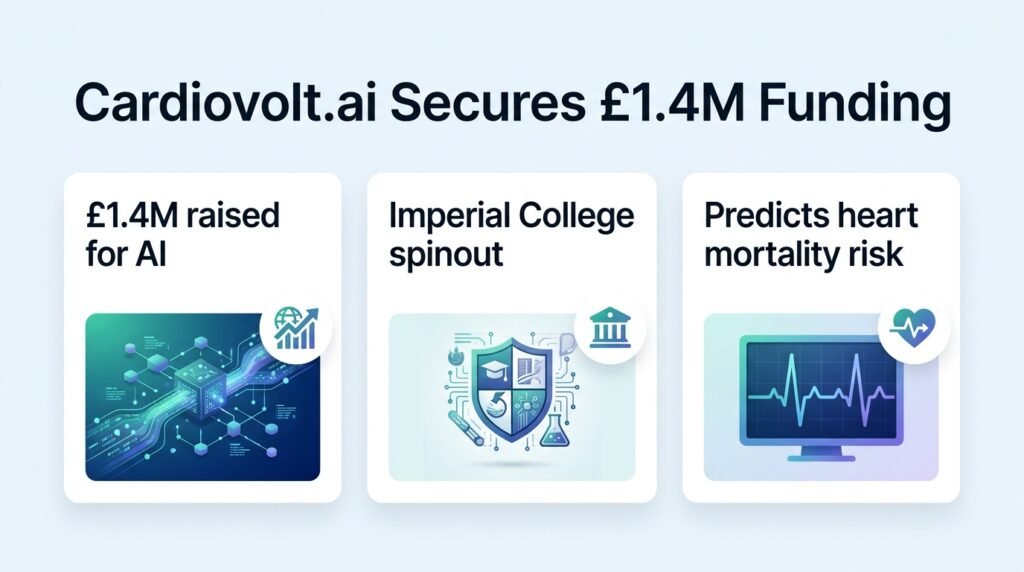
With £1.4 million in new funding, the immediate challenge is securing regulatory approval across the UK, EU, and US.
The underlying models were trained on millions of ECGs from Brazil and the US. However, translating these algorithms into daily clinical workflows is notoriously difficult.
If successful, the humble ECG machine in every local clinic becomes a powerful preventative tool. It bypasses the need for expensive, specialized imaging.
But clinical adoption relies on trust. Doctors must accept algorithmic risk scores for diseases they were not originally looking for. The technology is fast, but changing clinical habits takes years.

