
General AI models fail in oncology, but highly specialized software is quietly capturing the market by doing the tedious work doctors hate.
Silicon Valley loves to promise algorithms that will diagnose disease. But the real crisis in oncology is not a lack of diagnostic tools. It is the crushing weight of unstructured data that keeps patients out of life-saving clinical trials.
Oncology records are a mess of scanned PDFs, pathology reports, and unstructured clinical notes. Doctors spend hours digging through these files to match patients with experimental therapies. This administrative friction means promising trials often stall simply because eligible patients cannot be found in the digital noise.
The Unstructured Data Trap
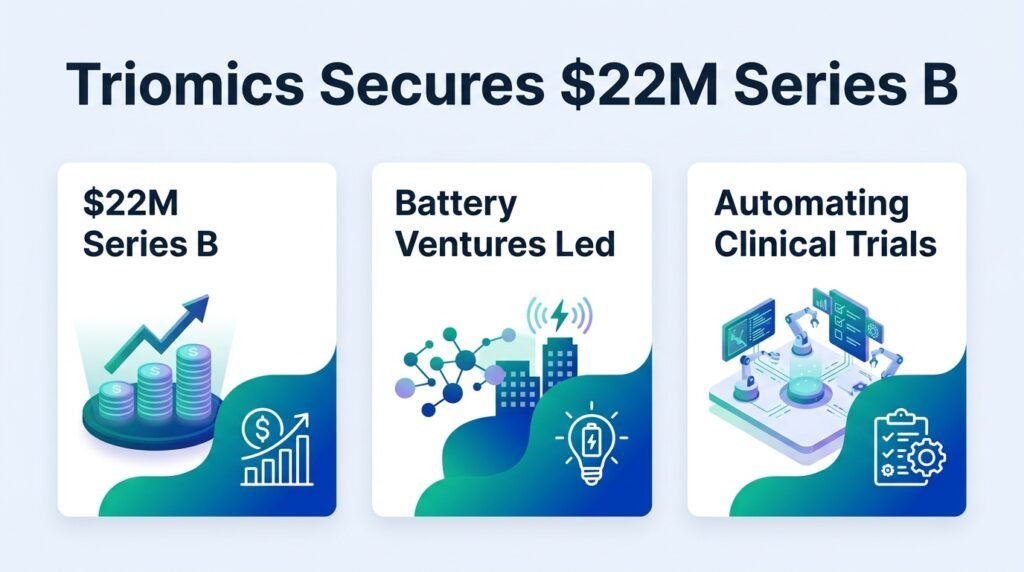
A new $22 million funding round for oncology software developer Triomics highlights a shift in investor appetite. Capital is moving away from broad medical chatbots and toward hyper-specific clinical agents. By converting messy medical records into structured data, the technology reduces chart review times by 67% and increases trial matches by 40%.
This is not about replacing oncologists. It is about automating the administrative plumbing of cancer care. The platform already covers roughly 15% of U.S. cancer patients, serving major institutions like Memorial Sloan Kettering and MD Anderson.
The Rise of Domain-Specific AI
The success of this specialized approach challenges the narrative that massive, general-purpose models will dominate healthcare. General models hallucinate and struggle with highly technical oncology terminology. Narrow, validated tools that do one complex task exceptionally well are winning the market.
For healthcare leaders, the takeaway is clear. Do not wait for a single AI to run your hospital. Look for the narrow agents that solve your specific, high-cost administrative bottlenecks today.