Healthcare IT departments are tired of paying for bloated software suites just to get basic voice-to-text functionality.
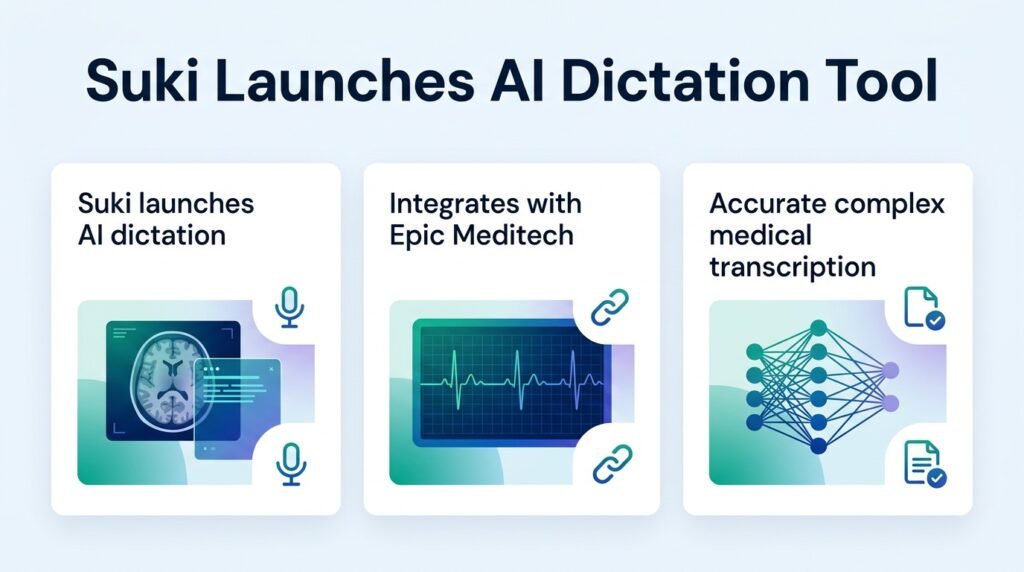
For years, vendors forced hospitals into all-or-nothing software bundles. Suki is challenging this lock-in strategy. By launching a standalone dictation tool that plugs directly into Epic and Meditech, the company is unbundling clinical AI.
Breaking the Bundle
Clinicians do not work in a one-size-fits-all environment. Some doctors prefer hands-free ambient listening during patient visits. Others simply need to dictate complex medical jargon quickly.
Bundled software forces systems to pay for features their staff might never use. Suki’s new tool allows hospitals to deploy verbatim dictation and ambient documentation on a single platform.
This modular approach targets the high licensing fees of legacy dictation monopolies. It gives cash-strapped health systems the flexibility to scale technology at their own pace.
However, standalone tools live and die by their integration. While Suki has expanded to platforms like Sevocity and MEDENT, any shift in how major EHRs handle third-party APIs could disrupt this strategy.
The Procurement Shift
This launch signals a broader shift in how hospitals buy technology. The era of buying massive, speculative AI packages is ending.
Hospital buyers are becoming highly pragmatic. They want modular, interoperable tools that solve specific administrative bottlenecks without blowing up their budgets.
The real battle is no longer about who has the smartest AI. It is about who can integrate most seamlessly into the clinician’s existing daily workflow.