Hospitals are learning that the most sophisticated artificial intelligence is useless if it requires doctors to open another tab.
The looming hospital capacity crisis is forcing a harsh reality to the surface. With average occupancy projected to hit a critical 85% by 2032, healthcare systems are running out of physical and mental space. Yet many institutions still treat artificial intelligence as a standalone destination rather than an integrated tool.
The Integration Imperative
The era of isolated AI pilots is officially over. Over 70% of large hospital networks now deploy AI-based workflow technologies to automate administrative tasks. But the true test of these systems is not their computational power. It is their placement.
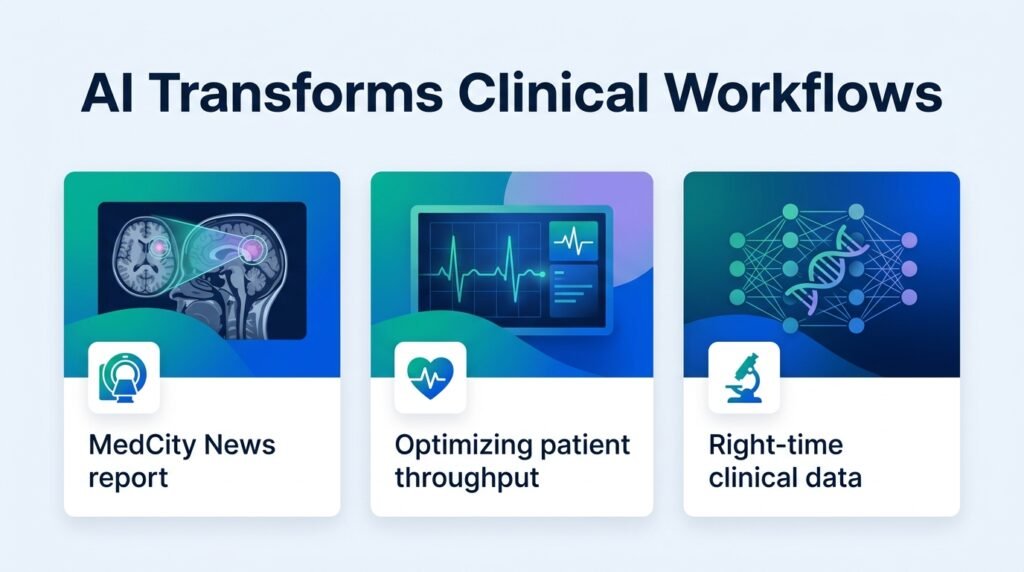
Clinicians do not need another dashboard to monitor. They need real-time, actionable data delivered directly inside the electronic health record where decisions are already being made. Anything else is just another distraction in an already exhausting shift.
Predicting the Bottlenecks
The next phase of clinical utility must move beyond basic transcription. To survive severe nursing shortages, hospitals must use integrated systems to anticipate patient flow bottlenecks and safely accelerate discharges.
If the technology does not live inside the existing workflow, it fails to improve throughput. The winner of the healthcare AI race will not be the company with the most complex model. It will be the one that integrates most seamlessly into a nurse’s existing routine.