
The regulatory bottleneck for AI in drug development is finally beginning to crack.
Drug-induced liver injury is a primary killer of promising clinical trials. For decades, pharmaceutical companies relied on animal testing to catch these toxicities, often with poor translation to human biology. The result is billions of dollars wasted on candidates that fail late in the pipeline.
The Regulatory Shift
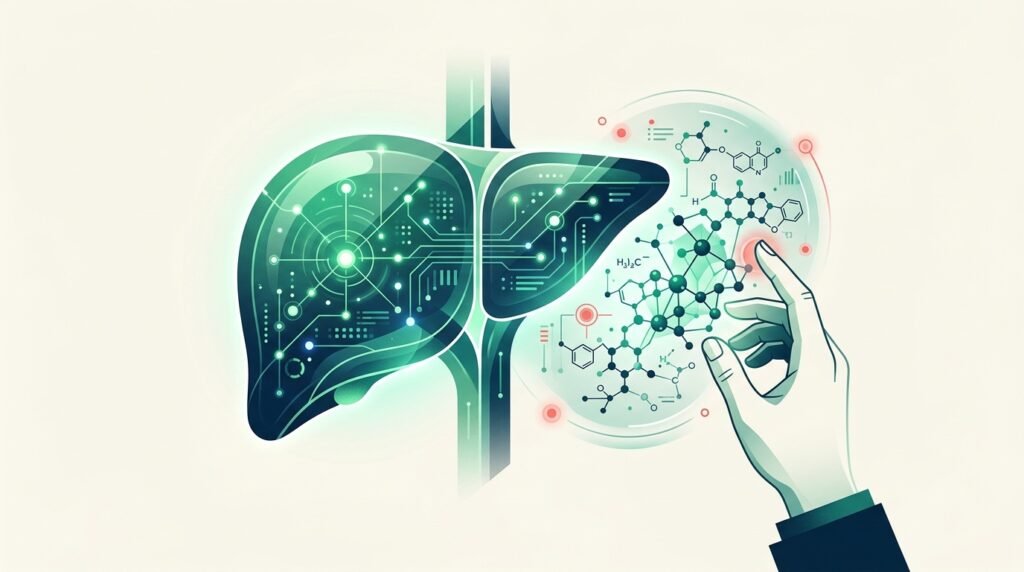
Now, the FDA has accepted the first Letter of Intent for an in silico digital liver model under its ISTAND pilot program. This computational tool aims to predict liver toxicity in small-molecule drug candidates before they ever reach a living subject.
This is not just about animal welfare. It is about building a standardized, repeatable pathway for computational evidence in drug filings.
The move builds on a broader regulatory push. In late 2024, the FDA accepted its first organ-on-a-chip technology for liver toxicity. By adding a purely digital simulation tool to the mix, regulators are signaling that code can eventually stand alongside physical assays.
The Reality Check
But do not mistake a Letter of Intent for a final regulatory green light.
This acceptance is merely the entry point of a highly rigorous qualification process. The computational model must still prove its predictive accuracy across diverse chemical structures.
If it succeeds, it will drastically lower drug attrition rates and cut development costs. If it fails to match real-world human outcomes, it risks slowing down the regulatory adoption of computational medicine.
The technology has existed for years. The true test is whether the data can survive the FDA’s strict validation standards.