Overview
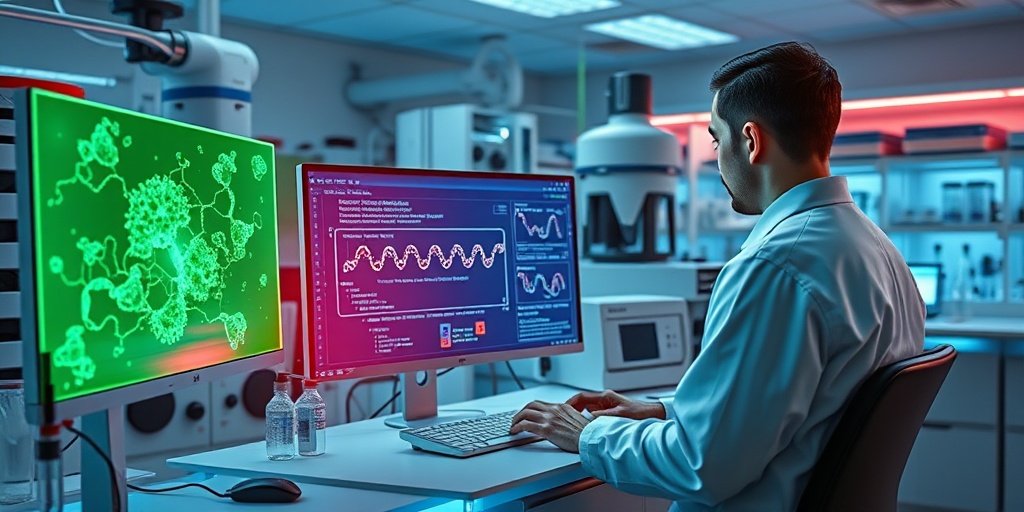
A collaborative research effort has led to the creation of a new artificial intelligence-based pipeline that integrates protein structure prediction, sequence design, and live-cell screening. This innovative approach facilitates the swift conversion of antibody sequences into functional intracellular antibodies, known as intrabodies, which maintain stability within living cells.
Key Features of the AI Pipeline
The AI-driven pipeline offers several advantages:
- Preservation of Antigen-Binding Regions: The method ensures that the essential regions for binding to antigens are retained.
- Improved Structural Stability: By enhancing the structural integrity of the antibodies, the pipeline addresses significant challenges faced in intrabody development.
- Cost-Effectiveness: This approach emerges as a simpler and more affordable tool for various applications, including diagnostics, imaging, and biomedical research.
Implications for Research
The ability to rapidly convert antibody sequences into functional intrabodies opens new avenues for research, particularly in the fields of diagnostics and therapeutic development. As the database of antibody sequences continues to grow, this method is expected to significantly accelerate the design and application of intrabodies, making them more accessible for scientific exploration.