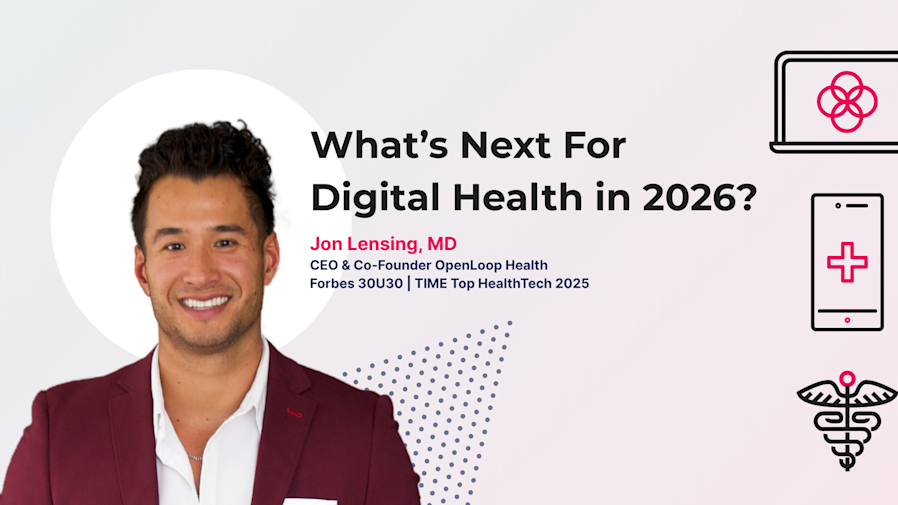
Experts from the Digital Health Networks have shared their insights on the future of health innovation, technology, and digital leadership for the year 2026. Here are the key predictions:
Chief Clinical Information Officer (CCIO) Advisory Panel
Dr. Penny Kechagioglou, chair of the CCIO Advisory Panel, highlights several trends:
- NHS organizations will prioritize productivity to address waiting lists for elective surgeries and cancer treatments.
- Generative AI will lead advancements in data analytics, utilizing federated data platforms for strategic operational decisions.
- AI will enhance triaging processes in urgent and emergency care, improving patient assessment speed and effectiveness.
- Integration of community and social care data with acute data will increase, alongside greater adoption of the NHS App.
- Ambient voice technology (AVT) will become common in the NHS, with regulatory frameworks established for its use.
- Cybersecurity measures will need to be strengthened as AI and automation grow.
- Healthcare leadership will adapt to digital realities, with traditional roles gaining advisory status in hospital boards.
- Utilizing internal expertise from digital implementation programs will help reduce costs for reinvestment in the NHS.
Clinical Safety Officer (CSO) Council
Ben Jeeves, chair of the CSO Council, anticipates:
- Continued acceleration of innovation and clinical impact in 2026.
- A redefinition of care models through digital advancements, enhancing safety and system resilience.
- Increased involvement of patients and clinicians in shaping digital health initiatives.
Chief Nursing Information Officer (CNIO) Advisory Panel
Hayley Grafton, chair of the CNIO Advisory Panel, predicts:
- Mainstream adoption of AI-enabled documentation and operational automation.
- Ongoing advocacy for clinically led digital transformation within nursing.
Integrated Care System (ICS) Digital Council
John Mitchell, chair of the ICS Digital Council, notes:
- Challenges in mixed strategies, funding, and resources will require strong leadership and community collaboration.
Chief Information Officer (CIO) Advisory Panel
Amy Freeman, chair of the CIO Advisory Panel, shares concerns about:
- Financial pressures impacting digital services and the need for consolidated corporate teams.
- Mixed reactions to AVT among clinical staff, which may hinder adoption.
- The ongoing fragmentation of patient records across various pilots.
James Hawkins, vice chair of the CIO Advisory Panel, adds:
- Expectations for delivery capabilities may not materialize until late 2026.
- Digital leaders will face challenges in achieving measurable productivity in constrained financial environments.
Supplementary Insights from Industry Leaders
Additional predictions from various sources include:
- Speed, Precision, and Adaptability: Companies focusing on these aspects will thrive in the evolving digital health landscape.
- Frictionless Care: Patients will demand seamless experiences, while clinicians will seek flexibility in their workflows.
- AI Integration: AI will transition from a buzzword to a foundational element in healthcare operations.
- Fragmentation Challenges: The industry must address communication gaps among various healthcare platforms.
- Virtual Care Expansion: A significant portion of healthcare delivery is expected to shift to virtual formats.
- Wearables and Smart Devices: These technologies will enhance preventive care through continuous monitoring.
As we approach 2026, the digital health landscape is set to undergo significant changes, driven by advancements in technology and evolving patient expectations.