Overview
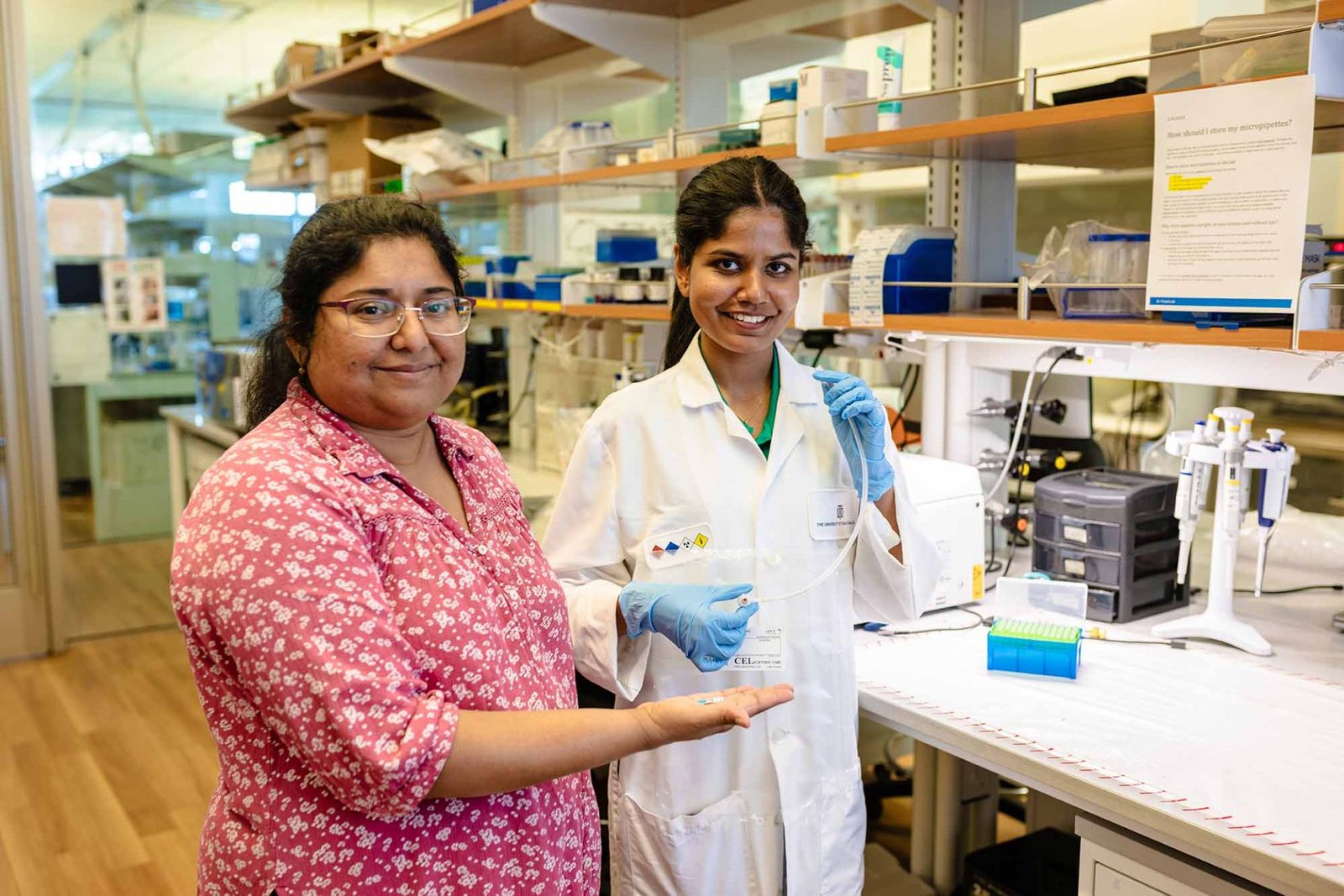
Researchers at the University of Texas at Dallas have developed a biosensor technology that, when paired with artificial intelligence (AI), shows potential for detecting lung cancer through breath analysis.
Key Features of the Technology
- The electrochemical biosensor identifies eight volatile organic compounds (VOCs) that may serve as biomarkers for thoracic cancers, including lung and esophageal cancers.
- AI analyzes the biochemical characteristics of these compounds to determine their association with various thoracic cancers.
Research Insights
Dr. Shalini Prasad, a professor and department head of bioengineering, stated:
“We built a screening tool that could allow physicians to catch the disease in its early phases, which improves outcomes. This technology offers a potentially affordable, quick, and noninvasive breath analysis tool for cancer screening.”
Collaboration and Testing
This project is a collaboration between UT Dallas bioengineering and computer science researchers and a clinical research team from UT Southwestern Medical Center. The technology was detailed in the August issue of Sensing and Bio-Sensing Research.
The electrochemical device was tested on breath samples from 67 patients, including 30 with biopsy-confirmed thoracic cancer. The device accurately identified the VOCs in 90% of the confirmed cancer cases.
Inspiration and Future Directions
The idea for this device emerged during the COVID-19 pandemic, when there was heightened interest in noninvasive technologies for rapid screening:
“The use of breath became very attractive because breath goes through our respiratory system and carries metabolites, which are indicators of disease,” said Dr. Prasad.
Changes in metabolites in exhaled breath can signal early disease onset, positioning this research within the emerging field of breathomics.
Role of AI in the Technology
AI plays a crucial role in analyzing the vast data generated from breath samples. Dr. Prasad emphasized:
“What is important? What is not? All of this information comes from the machine learning algorithm. That’s why the partnership with computer science is critical.”
Clinical Implications
Dr. Muhanned Abu-Hijleh, an interventional pulmonologist, noted:
“Lung cancer is the leading cause of cancer-related deaths in the U.S. and worldwide. Using minimally invasive technologies like biomarkers and exhaled volatile-organic-compounds analysis can help in the early detection of thoracic malignancies.”
Dr. Prasad mentioned that the team will continue to refine the device and seek further clinical validation, with the goal of making this technology available in primary care settings.
Conclusion
This innovative biosensor technology represents a significant advancement in cancer detection methods, potentially allowing for early diagnosis and improved patient outcomes.