Overview
A groundbreaking heart monitoring system that merges 3D printing technology with artificial intelligence (AI) has the potential to enhance how healthcare professionals assess and diagnose heart health.
Key Features
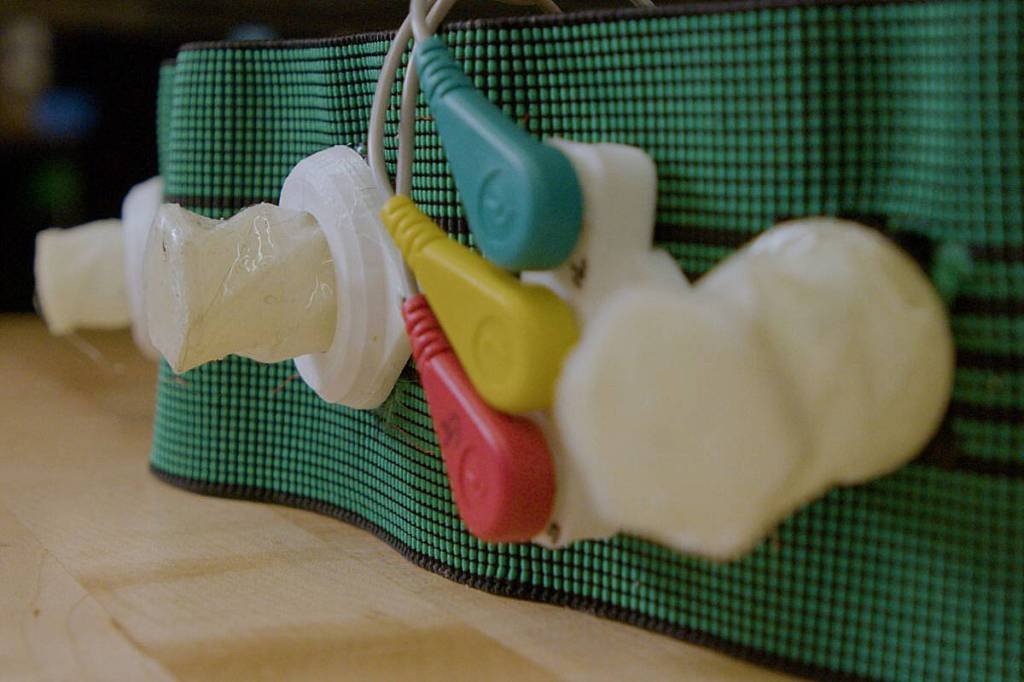
- The system utilizes reusable dry 3D-printed electrodes integrated into a soft chest belt.
- The belt features an origami-inspired design that adheres to the skin using gentle suction.
- Instead of traditional electrolyte gel, a carbon-based ink is used to transmit the heart’s electrical signals to a wearable device equipped with AI software.
- The AI can pre-diagnose up to 10 types of arrhythmias, or irregular heart rhythms.
Advantages Over Traditional Methods
According to Woo Soo Kim, a professor at SFU’s School of Mechatronic Systems Engineering:
- Current ECG testing relies on single-use sticky patches and gels that can dry out and detach, leading to increased medical waste.
- The new dry electrodes are equally accurate as gel-based sensors but offer greater comfort and ease of use.
- These electrodes can be sanitized and reused, significantly reducing waste.
Clinical Testing and Feedback
A study published in Biosensors and Bioelectronics, led by SFU post-doctorate student Yiting Chen, involved testing the dry electrodes with nurses from Vancouver General Hospital’s cardiac monitoring unit. Feedback indicated:
- The design enhances patient comfort and compliance during long-term monitoring.
- Users can easily re-establish the seal of the electrodes if they lose contact, simplifying the monitoring process.
Future Implications
With the European Heart Rhythm Association estimating that one in three people globally will develop a cardiac arrhythmia, this innovative tool could significantly improve personalized heart monitoring in various healthcare settings, including:
- Emergency rooms
- Hospital wards
- Senior care facilities
Additionally, it aims to assist individuals in rural and remote communities where access to diagnostic tools is limited. Kim emphasizes the importance of making diagnostic tools affordable and accessible, particularly for First Nations and remote communities.
Next Steps
The research team is currently focused on:
- Refining the AI’s pre-diagnostic algorithm.
- Reducing the size of the 3D-printed origami electrode to one-third of its current height.
For further details, refer to the study published in Biosensors and Bioelectronics by Chen Y, Non J, Vozovik Z, and Kim WS.
Sources:
Vancouver Island Free Daily,
The Brighter Side of News,
Surrey Now-Leader.