
Signals shaping
health AI.
A focused stream of research, industry developments and ideas selected for people building the future of health.

Research and developments, with a clear point of view.
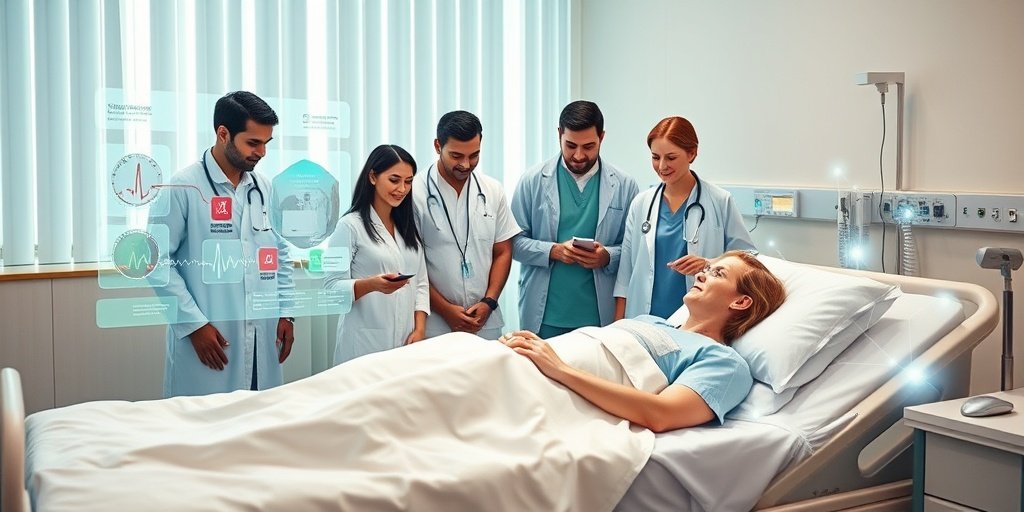
A Laboratory-Based Federated Learning Deployment on Real Devices for ECG-Based Clinical Decision Support Systems.
Federated Learning enhances ECG data privacy in clinical decision support, achieving 93% F1 score...
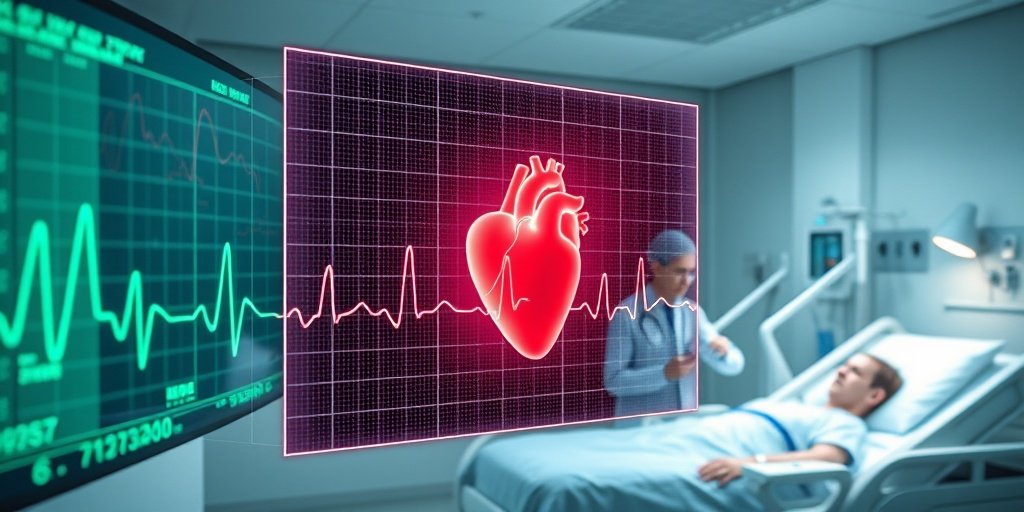
The cost of explainability in artificial intelligence-enhanced electrocardiogram models.
AI-ECG models: Balancing performance and explainability. 📊🔍 Study reveals trade-offs in interpretability and diagnostic...
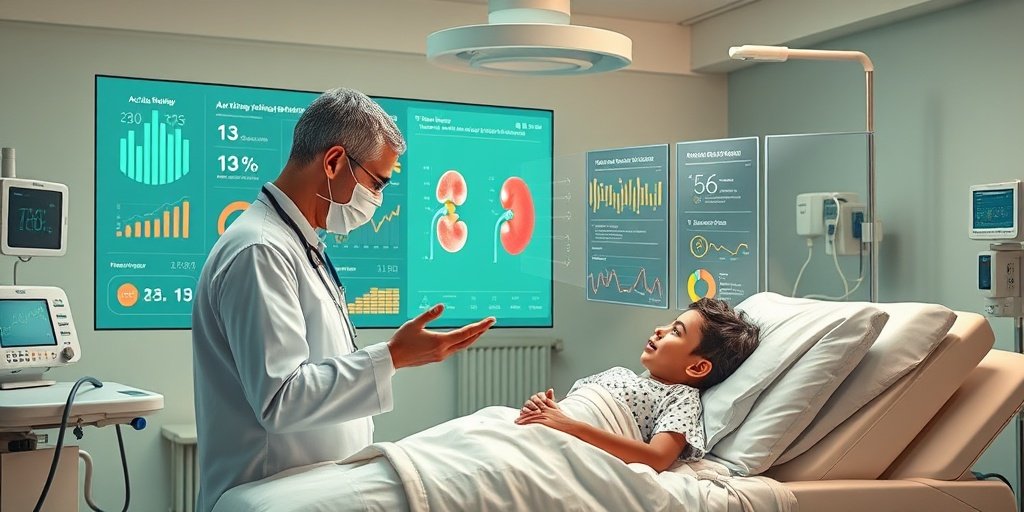
The global epidemiology of acute kidney injury: challenges and opportunities.
Global AKI: 2 million deaths annually, rising chronic kidney disease risk, and urgent need...
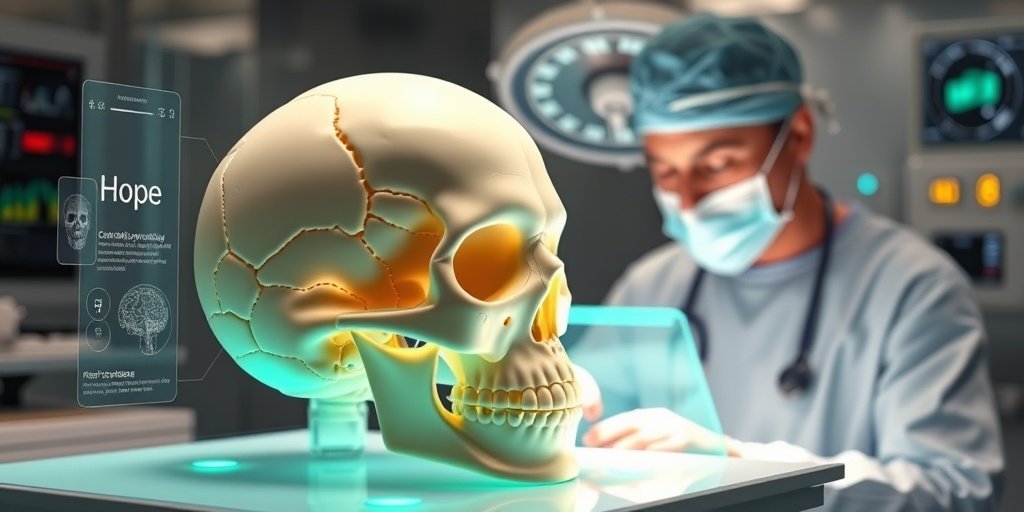
A combined machine learning and finite element modelling tool for the surgical planning of craniosynostosis correction.
Innovative tool enhances craniosynostosis surgery planning with 0.95 accuracy! 🤖🧠 Reduces radiation exposure, improves...
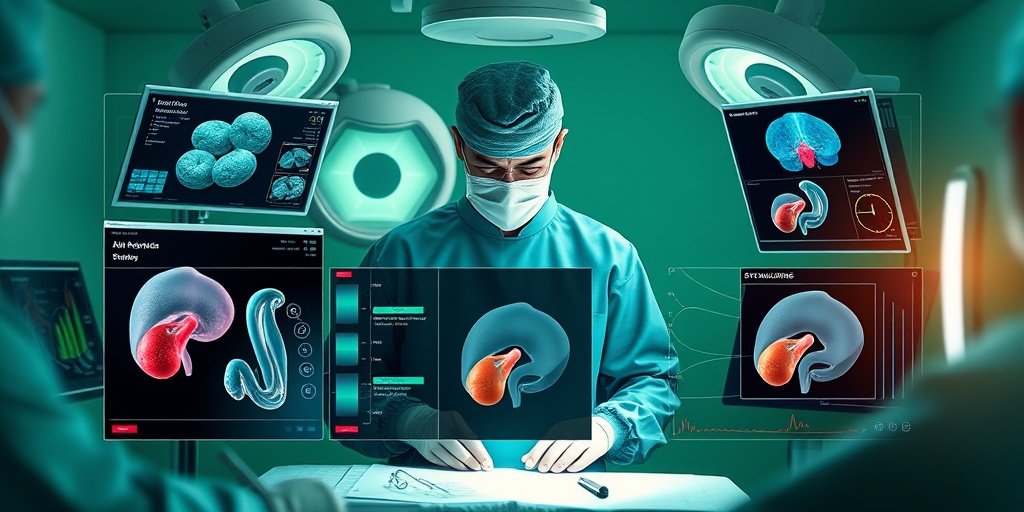
Concordance among experts in assessing apical mucosal preservation during holmium laser enucleation of the prostate (HoLEP): implications for artificial intelligence model development.
Expert consensus on apical mucosal preservation in HoLEP shows 85% agreement, crucial for AI...
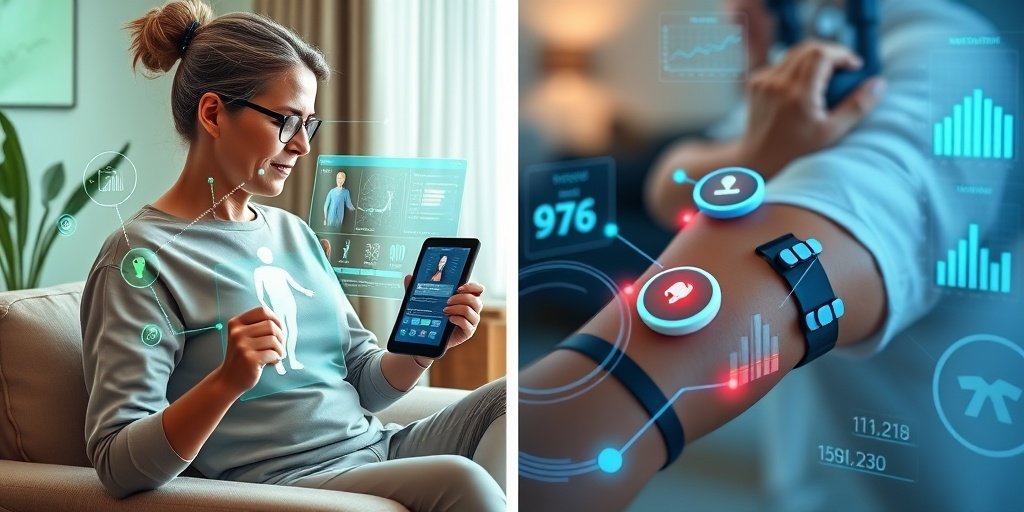
Enhancing home rehabilitation through AI-driven virtual assistants: a narrative review.
AI-driven virtual physiotherapy assistants enhance home rehabilitation, improving adherence and outcomes. Key challenges include...
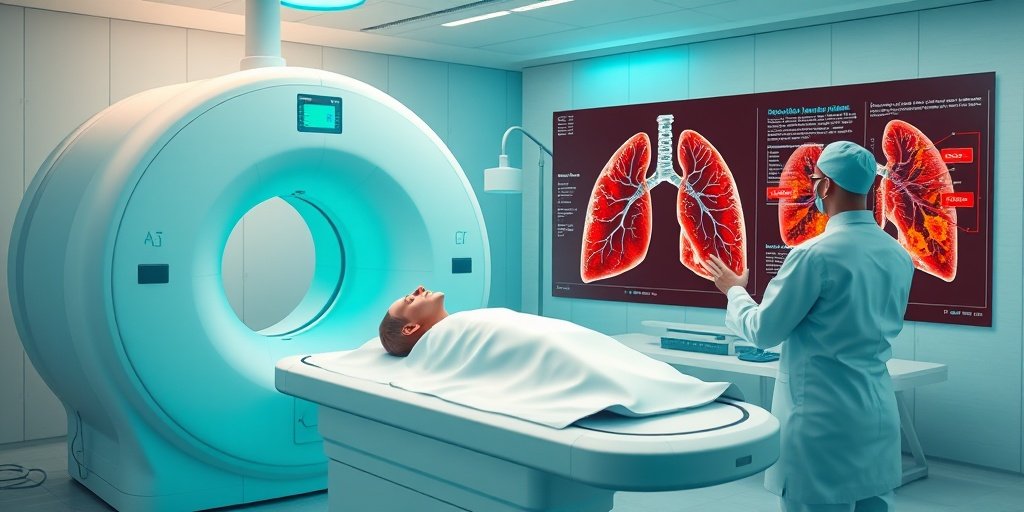
Quantitative Imaging for Interstitial Lung Disease.
Quantitative imaging enhances ILD diagnosis and treatment, utilizing CT and emerging MRI techniques. 📊🫁
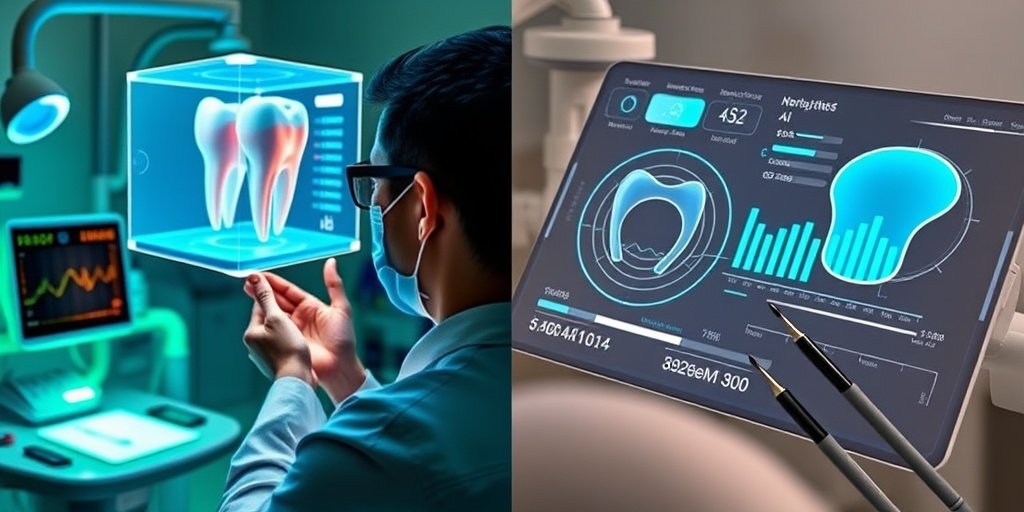
Are we entering a new era of artificial intelligence (AI)-supported decision-making in dentistry?
Exploring AI's role in dentistry: potential impacts on decision-making and patient outcomes. 🤖🦷
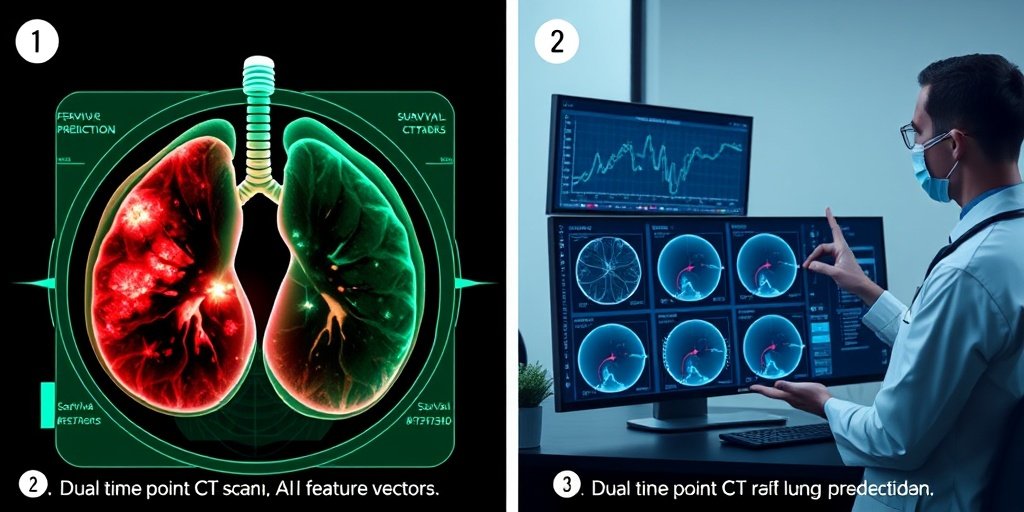
Foundation model based prediction of lung cancer survival using temporal changes in dual time point CT scans.
Lung cancer survival prediction enhanced by dual time point CT scans. 📊 Study shows...