Study Overview
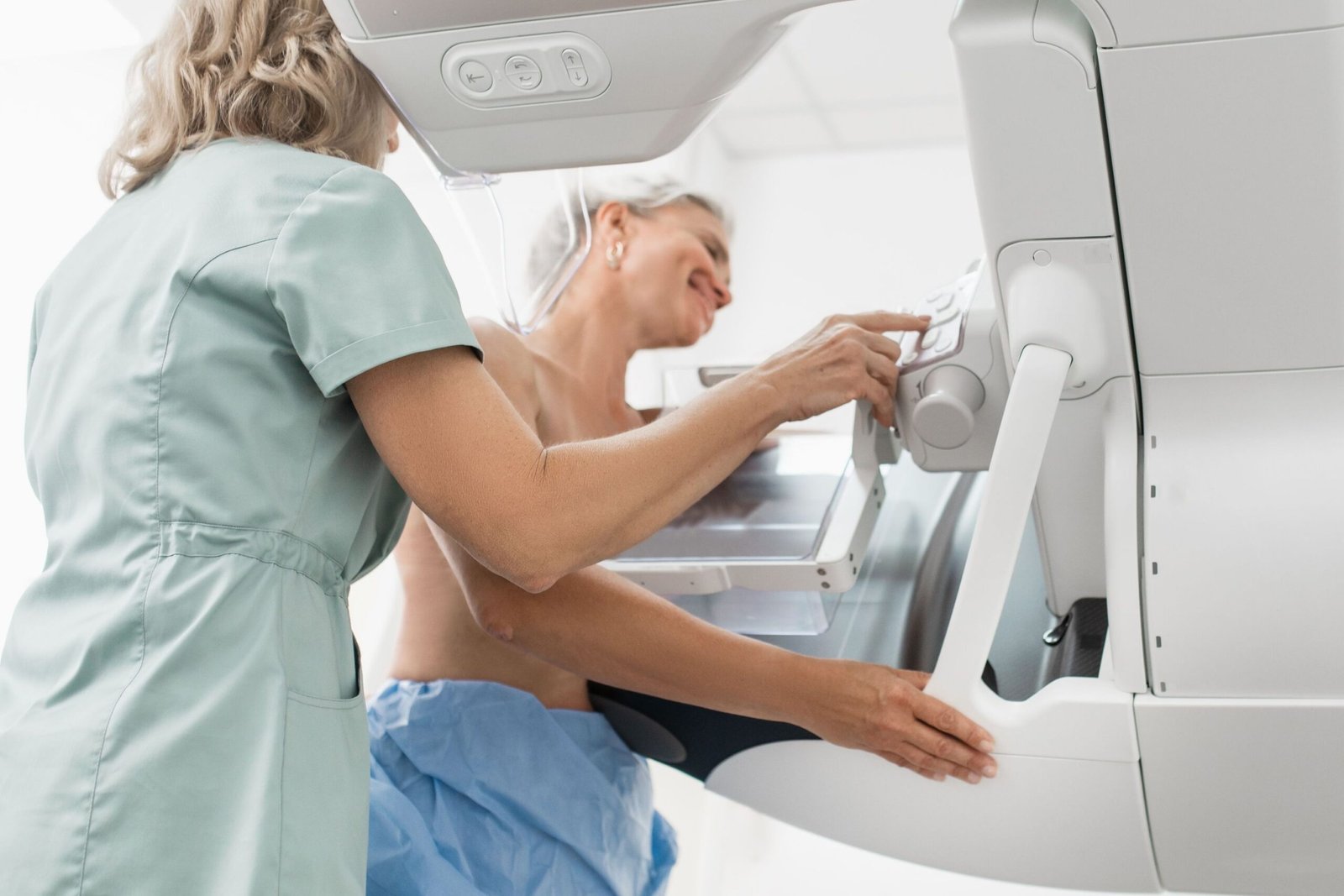
A recent study conducted by the NHS has revealed that Google AI outperformed human doctors in detecting breast cancer. This research, which is the largest of its kind, involved the analysis of breast scans from 175,000 women.
Key Findings
- Increased Detection Rates: AI detected more cases of invasive cancer compared to human radiologists.
- Fewer False Positives: The AI system resulted in a lower number of false positives, leading to fewer unnecessary recalls for women undergoing their first scans.
- Time Efficiency: The AI reduced the time taken to read scans by nearly one-third, significantly alleviating the workload on radiologists.
Study Details
The research was a collaborative effort involving Imperial College London, Google, and several NHS Trusts. It was divided into three parts:
- Retrospective Analysis: The first part analyzed 125,000 scans from women aged 50 to 70, showing that AI achieved a cancer detection rate of 9.33 per 1,000 women, compared to 7.54 for human readers.
- Current Cases Evaluation: The second part assessed 9,266 current cases, where AI maintained a higher recall rate than human readers.
- Arbitration Use: The third part explored AI’s role in arbitration, where it performed comparably to human specialists in resolving diagnostic disagreements.
Implications for the NHS
This research highlights the potential for AI to enhance breast cancer screening processes within the NHS, particularly in light of the current shortage of clinical radiologists, which is expected to worsen in the coming years. The findings suggest that integrating AI could lead to:
- Earlier diagnosis and treatment for more women.
- Reduced workload for radiologists, allowing them to focus on more complex cases.
Expert Opinions
Dr. Hutan Ashrafian, an author of the study, emphasized the significance of these findings, stating that they represent a crucial step towards improving cancer outcomes within the NHS. He noted that the integration of AI could help address the pressing challenges faced by the healthcare system.
Overall, this study demonstrates the promising role of AI in enhancing breast cancer detection and treatment, paving the way for improved patient care.