⚡ Quick Summary
This study evaluates the performance of EEG-to-text models used in brain-computer interfaces (BCIs) for translating brain signals into written language. The findings indicate that many models may be memorizing patterns rather than genuinely learning from EEG signals, emphasizing the need for improved evaluation methodologies.
🔍 Key Details
- 📊 Focus: Performance analysis of EEG-to-text models
- 🧩 Methodology: Comparison of model performance on EEG data vs. noise inputs
- ⚙️ Technology: Machine learning techniques for EEG signal interpretation
- 🏆 Key finding: Many models perform similarly or better on noise than on actual EEG data
🔑 Key Takeaways
- 🧠 EEG-to-text models have the potential to enhance communication for individuals with severe disabilities.
- 💡 Current evaluation methods may not accurately reflect the true learning capabilities of these models.
- 🔍 Novel methodology introduced for performance benchmarking in EEG models.
- 📉 Results suggest a tendency for models to memorize rather than learn from EEG signals.
- ⚠️ Need for rigorous benchmarking to ensure reliability in BCI applications.
- 🌟 Implications for future research in developing trustworthy EEG-to-text systems.
- 📅 Study published in Sci Rep, 2025.
- 🆔 PMID: 41326639.
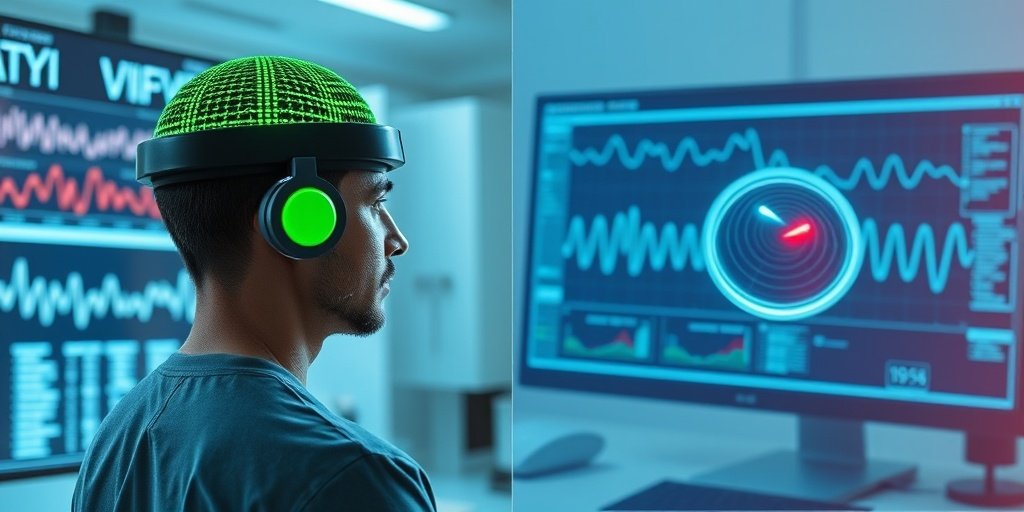
📚 Background
Brain-computer interfaces (BCIs) represent a groundbreaking advancement in technology, particularly for individuals with severe disabilities who struggle with communication. The ability to translate brain signals into written language through EEG-to-text models holds immense promise. However, the effectiveness of these models has been questioned due to limitations in current evaluation methodologies.
🗒️ Study
The study critically examines the performance of various EEG-to-text models, focusing on their ability to learn from actual EEG signals. By introducing a novel methodology that compares model performance on EEG data against noise inputs, the researchers aimed to uncover whether these models are genuinely learning or merely memorizing patterns.
📈 Results
The findings revealed a concerning trend: many EEG-to-text models performed similarly or even better on noise inputs than on actual EEG data. This suggests that these models may not be effectively learning from the brain signals they are designed to interpret, raising questions about their reliability and applicability in real-world scenarios.
🌍 Impact and Implications
The implications of this study are significant for the future of brain-computer interfaces. By highlighting the limitations of current evaluation practices, it paves the way for more rigorous benchmarking methods. This is crucial for developing reliable and trustworthy systems that can truly harness the potential of BCIs for enhancing communication abilities in individuals with disabilities.
🔮 Conclusion
This study underscores the importance of critically evaluating EEG-to-text models to ensure they are genuinely learning from EEG signals. As we move forward, it is essential to adopt more robust evaluation methodologies to develop effective brain-computer interfaces that can significantly improve communication for those in need. The future of BCIs is promising, but it requires careful scrutiny and innovation in evaluation practices.
💬 Your comments
What are your thoughts on the findings of this study? How do you think we can improve the evaluation of EEG-to-text models? Let’s start a conversation! 💬 Leave your thoughts in the comments below or connect with us on social media:
Evaluating EEG-to-text models through noise-based performance analysis.
Abstract
Brain-computer interfaces (BCIs) have the potential to revolutionize communication for individuals with severe disabilities. EEG-to-text models, which translate brain signals into written language, offer a promising avenue for restoring communication abilities. Recent advancements in machine learning have improved the accuracy and speed of these models, but their true capabilities remain unclear due to limitations in evaluation methodologies. This study critically examines the performance of EEG-to-text models, focusing on their ability to learn from EEG signals rather than simply memorizing patterns. We introduce a novel methodology that compares model performance on EEG data with that on noise inputs. Our findings reveal that many EEG-to-text models perform similarly or even better on noise, suggesting that they may be memorizing patterns rather than truly learning from EEG signals. These results highlight the need for more rigorous benchmarking and evaluation practices in the field of EEG-to-text translation. By addressing the limitations of current methodologies, we can develop more reliable and trustworthy systems that truly harness the potential of brain-computer interfaces for communication.
Author: [‘Jo H’, ‘Yang Y’, ‘Han J’, ‘Duan Y’, ‘Xiong H’, ‘Lee WH’]
Journal: Sci Rep
Citation: Jo H, et al. Evaluating EEG-to-text models through noise-based performance analysis. Evaluating EEG-to-text models through noise-based performance analysis. 2025; (unknown volume):(unknown pages). doi: 10.1038/s41598-025-29587-x