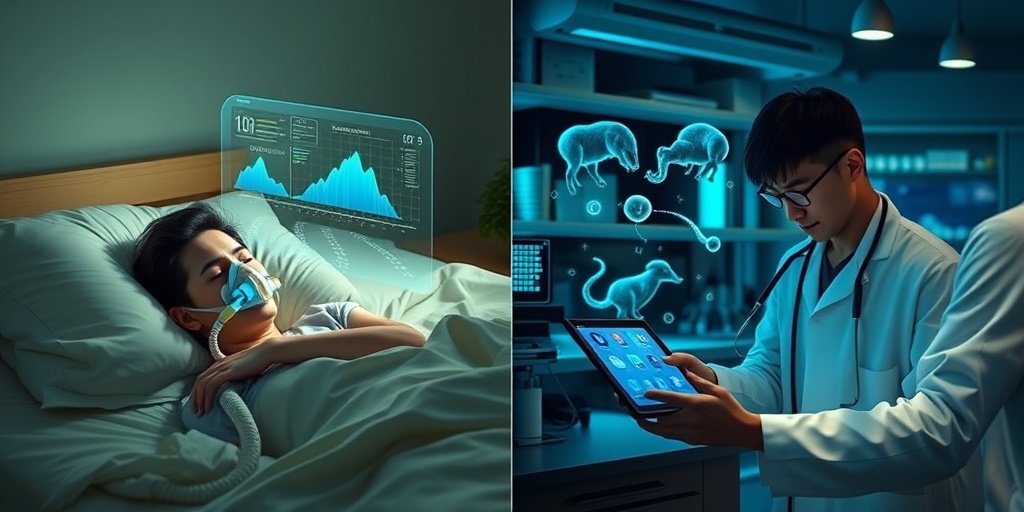
Sleep apnoea and its consequences: from animal models to precision medicine.
Exploring OSA: Insights from Recent Research on Precision Medicine and AI in Sleep Apnoea Treatment π€π
Discover the newest research about AI innovations in π€ Sleep.

Exploring OSA: Insights from Recent Research on Precision Medicine and AI in Sleep Apnoea Treatment π€π

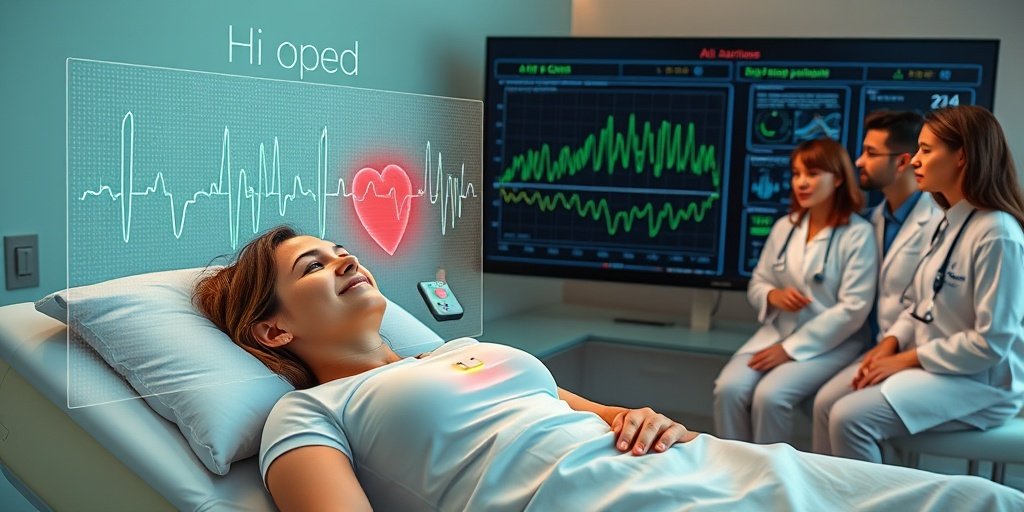
Mayo Clinic’s AI algorithm improves sleep apnea detection in women, using ECG results for faster diagnosis. π€β€οΈ

Menopause symptoms affect 34% of women aged 45-60. 87% don’t seek care due to time and awareness issues. π©Ίπ‘

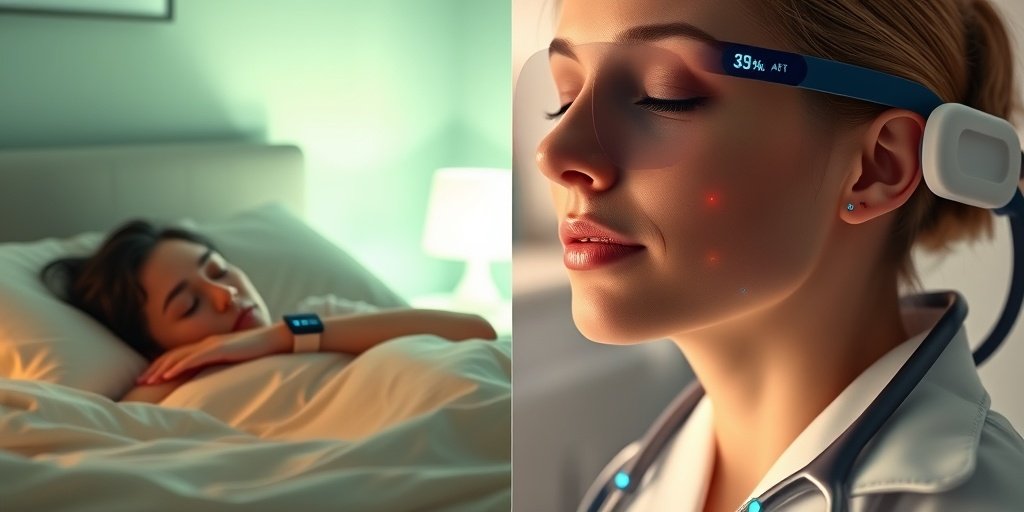
Sleep quality significantly affects skin pigmentation, influencing melanin and hydration levels. π€π Key findings from PubMed article reviewed.

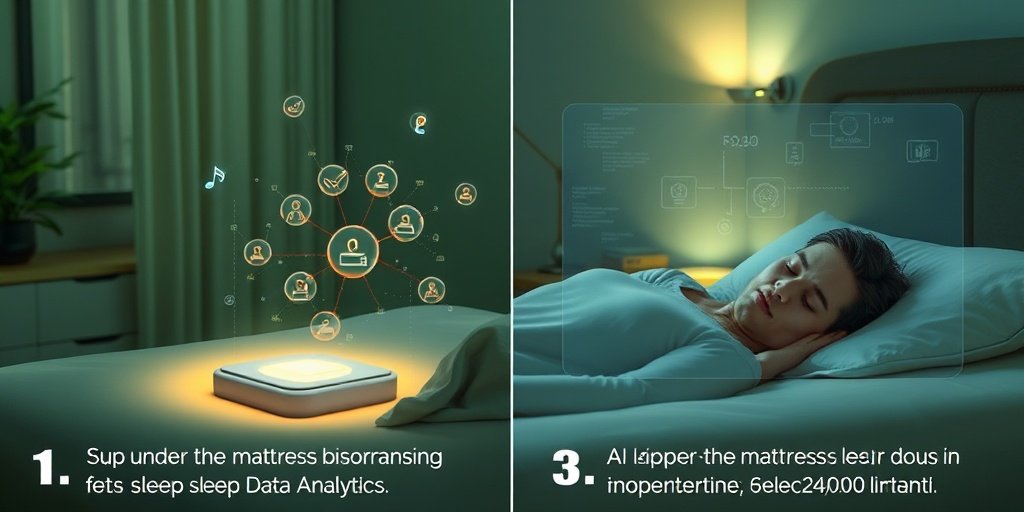
Revolutionary sleep apnea detection: From traditional PSG to advanced AI-driven under-the-mattress devices. ποΈπ€

Machine learning models effectively predict suicidal ideation and depression in insomnia patients. Study shows AUROC scores of 0.78-0.82. ππ§

Machine learning predicts mild cognitive impairment stages with 94% accuracy using gait, body composition, and sleep data. π§ π

Machine learning models using ECG-derived HRV show 79% sensitivity & 75% specificity for diagnosing obstructive sleep apnoea. ππ€

AI enhances obstructive sleep apnea detection using clinical data. AUC values range from 0.62 to 0.93. ππ€

High-Precision Acoustic Monitoring in Pediatric Sleep Studies: 91.16% Accuracy with Deep Learning π§π