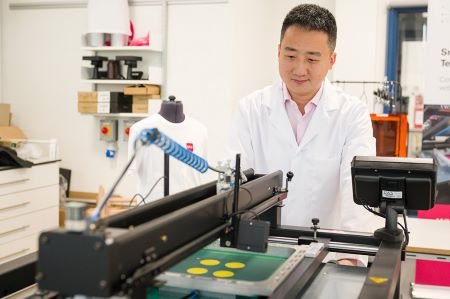
New Wearable Device Aims to Monitor Muscle Health in Older Adults
New wearable device monitors muscle health in older adults. 🦵📈 Aims to detect sarcopenia for timely intervention.

New wearable device monitors muscle health in older adults. 🦵📈 Aims to detect sarcopenia for timely intervention.

Lung lobe segmentation tools evaluated: TotalSegmentator excels, while data diversity enhances model accuracy. 📊🫁
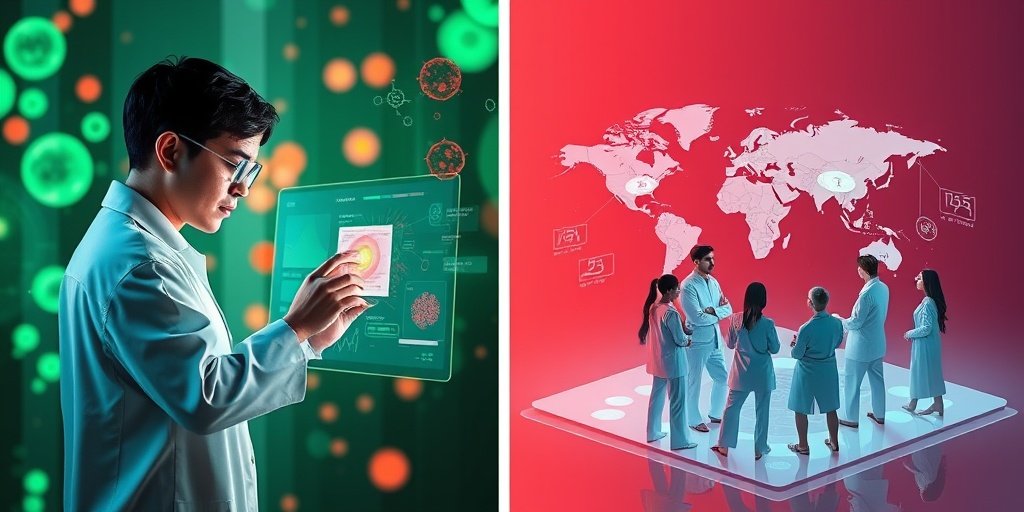
📈 Retinoblastoma biomarkers research shows steady growth, with China leading publications. Key hotspots include liquid biopsy and AI integration. 🔬
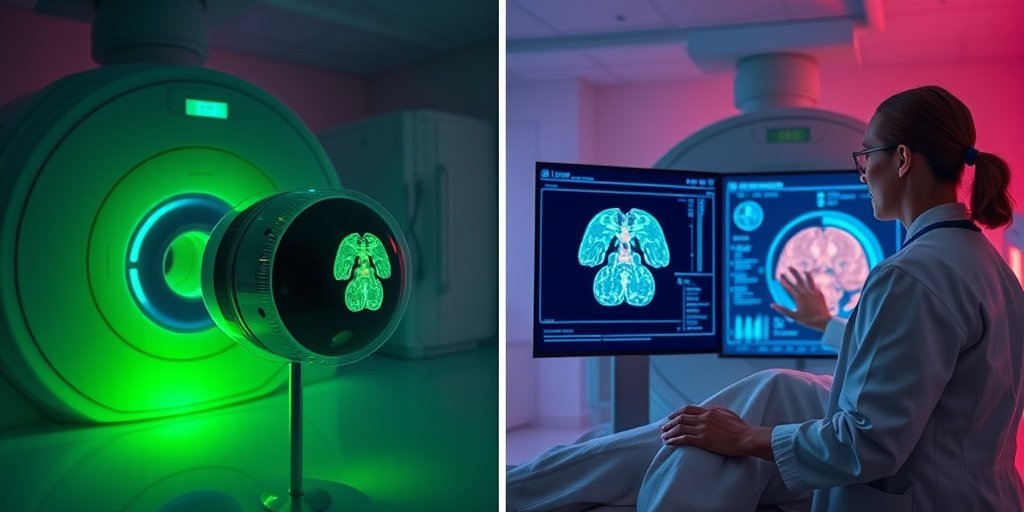
Bimodal imaging probes enhance disease diagnosis and therapy, combining MRI and fluorescence for improved precision. 🧬🔬
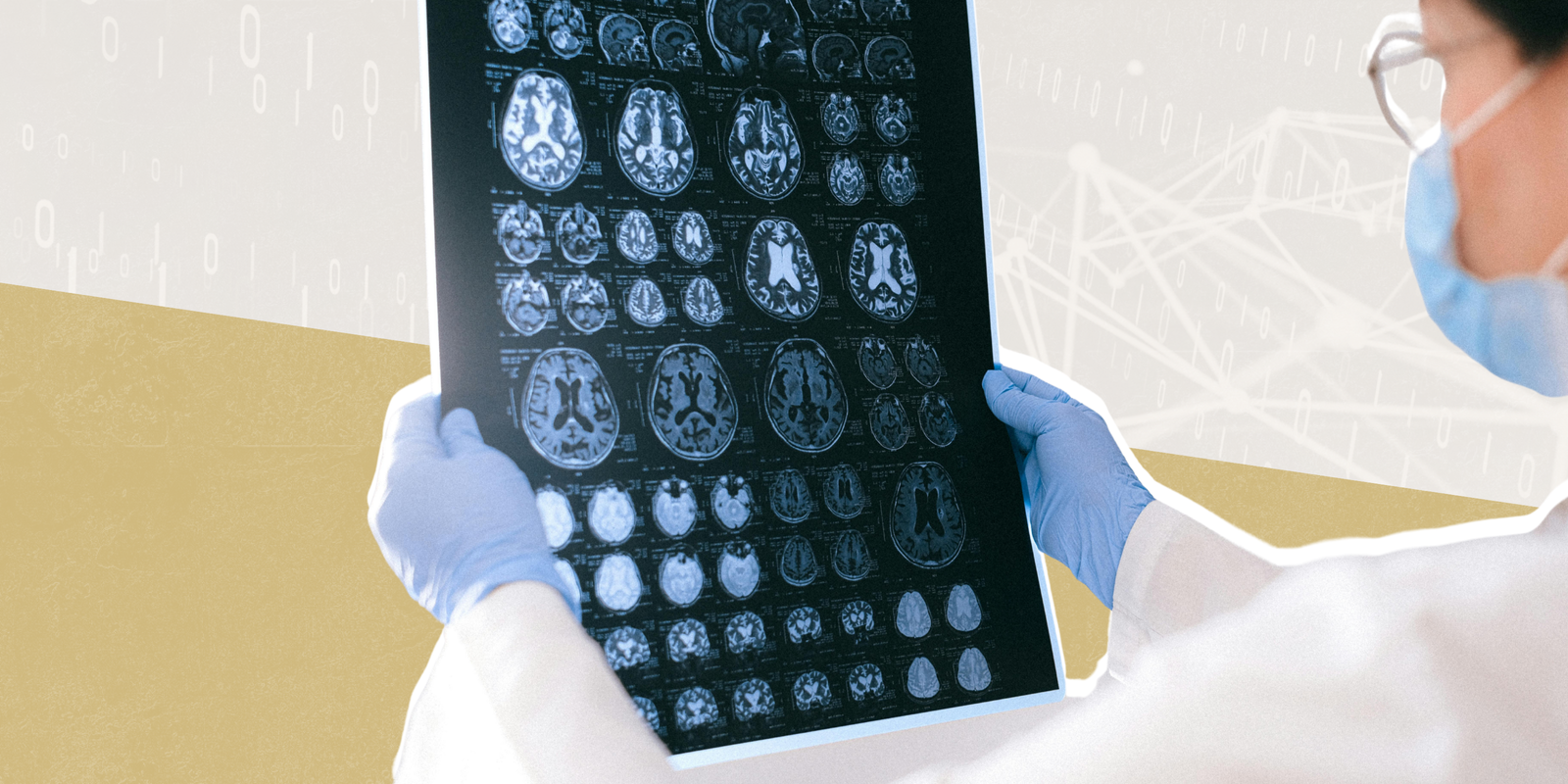
Open-source AI tools can assist doctors in reading medical scans effectively and affordably, ensuring patient privacy. 🏥🤖
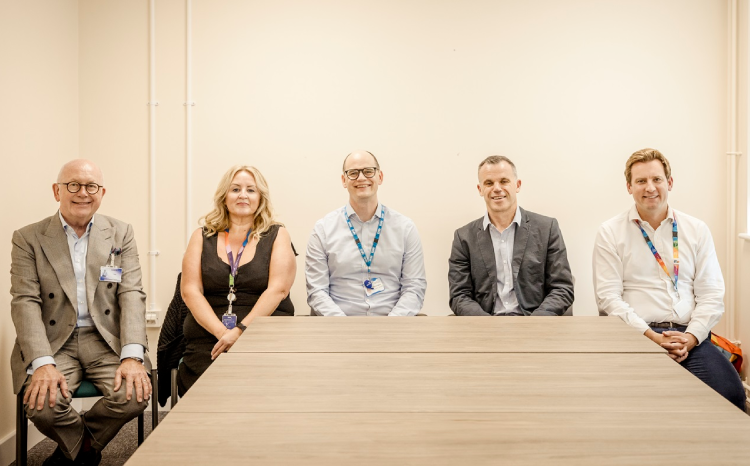
UHL, UHN, and Microsoft partner to advance AI in healthcare, aiming to improve patient care and streamline services. 🤝💻
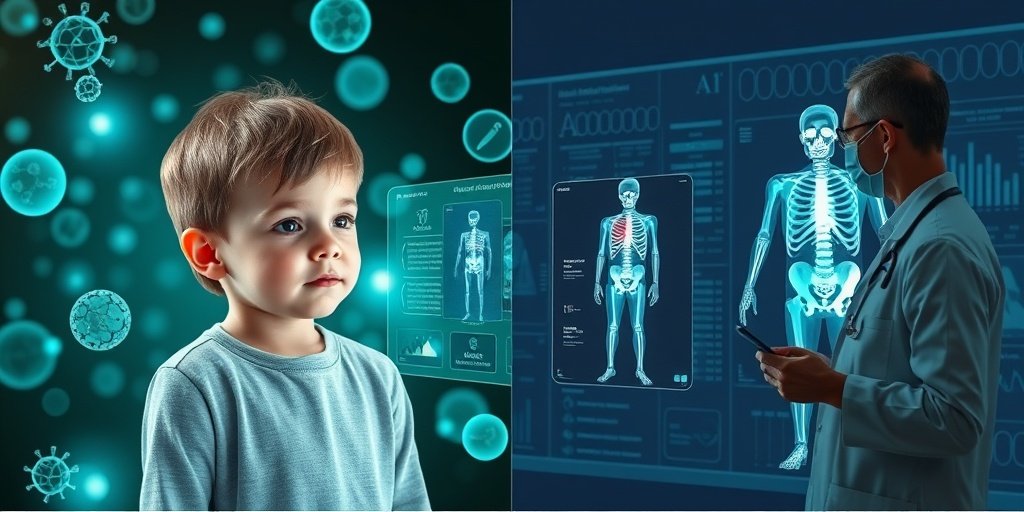
AI models show 62.2% accuracy in diagnosing skeletal dysplasias, compared to 82.2% by clinical experts. 🤖📊

AI improves Alzheimer’s drug trials by accurately identifying patient groups, potentially speeding up effective treatment development. 🧠💊
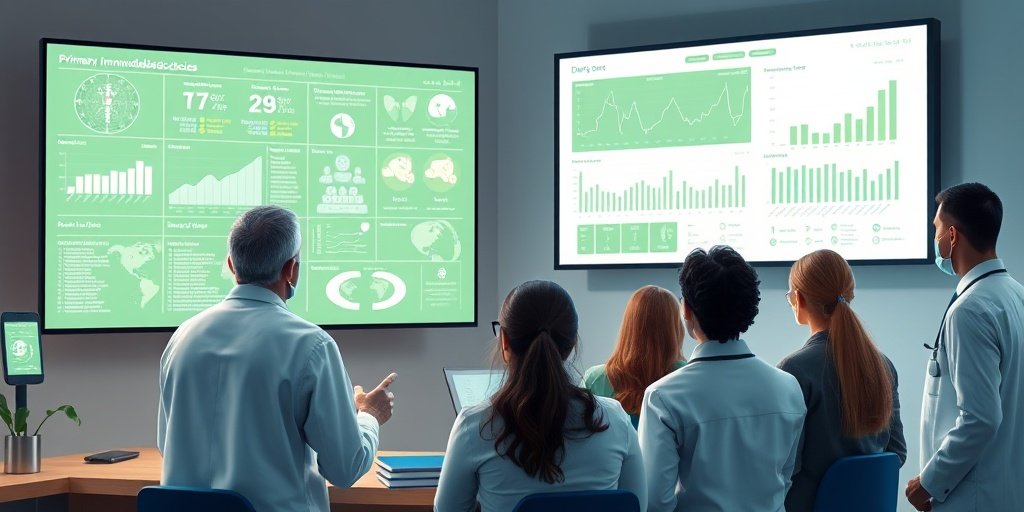
New diagnostic tools for primary immunodeficiencies: AI and expert-driven strategies show promise in early detection. 🧬🔍
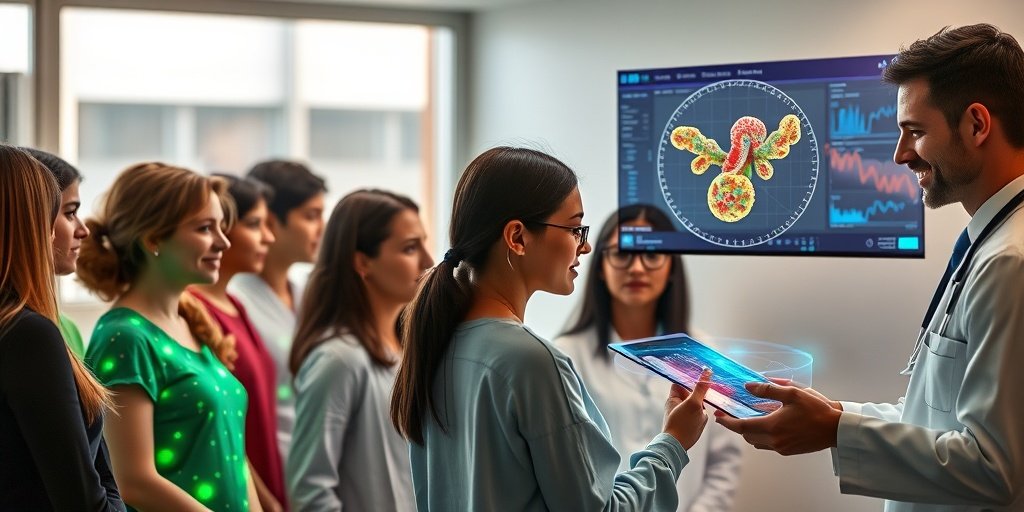
Exploring ethical challenges in digital health for rare diseases: data integration, patient experiences, and AI implications. 📊💻