
AI Enhances Clinical Trials for Alzheimer’s Drug Development
AI improves Alzheimer’s drug trials by accurately identifying patient groups, potentially speeding up effective treatment development. 🧠💊

AI improves Alzheimer’s drug trials by accurately identifying patient groups, potentially speeding up effective treatment development. 🧠💊

New diagnostic tools for primary immunodeficiencies: AI and expert-driven strategies show promise in early detection. 🧬🔍

Exploring ethical challenges in digital health for rare diseases: data integration, patient experiences, and AI implications. 📊💻
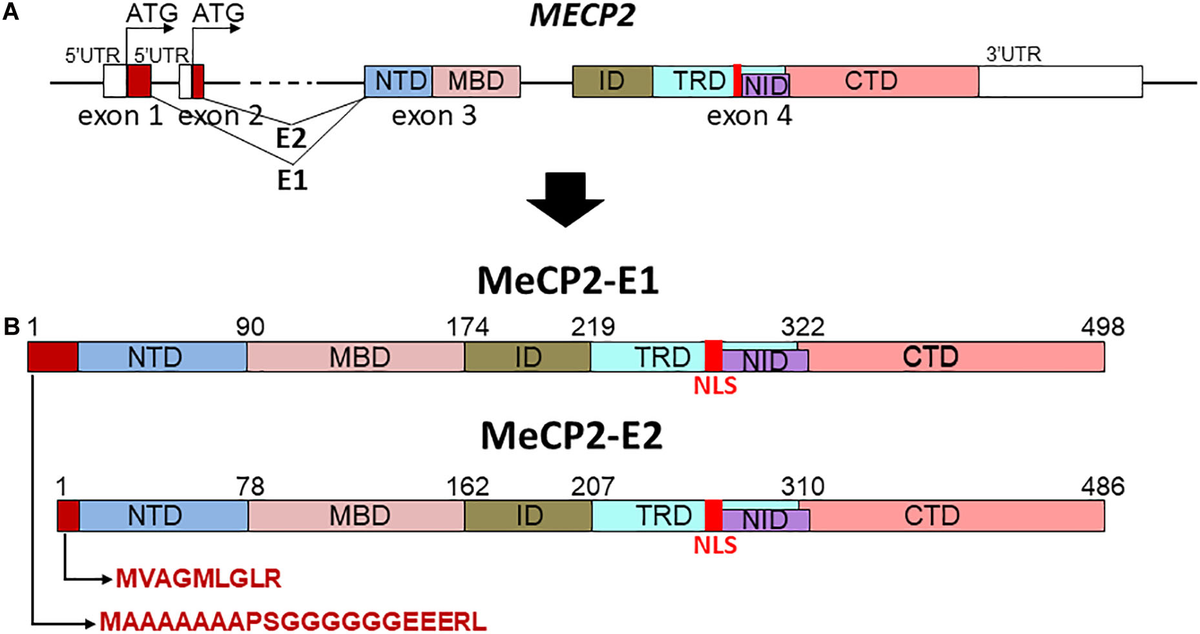
AI-driven drug discovery shows promise for Rett syndrome treatment. Vorinostat may offer new hope for affected patients. 🧬💊

ChatGPT’s accuracy in rare cardiovascular disease education is limited; expert review shows redundancy and incomplete answers. 📉💔

AI in Rare Bone Disease Diagnosis: 91% of healthcare professionals value imaging! 🤖📊 Concerns about AI errors persist.
AI transforms rare disease diagnosis and treatment, addressing 3.5%-5.9% of global cases. Key advancements and challenges discussed. 🤖💊

Exploring AI in minimally invasive nephrectomy: insights from Guo Q’s letter on augmented reality navigation. 🤖🔍

AI predicts pediatric brain cancer relapse with 75-89% accuracy, improving care for children with gliomas. 🧠📈

AI model Foresight uses NHS data to predict health outcomes, aiming for personalized care and early intervention. 📊🤖