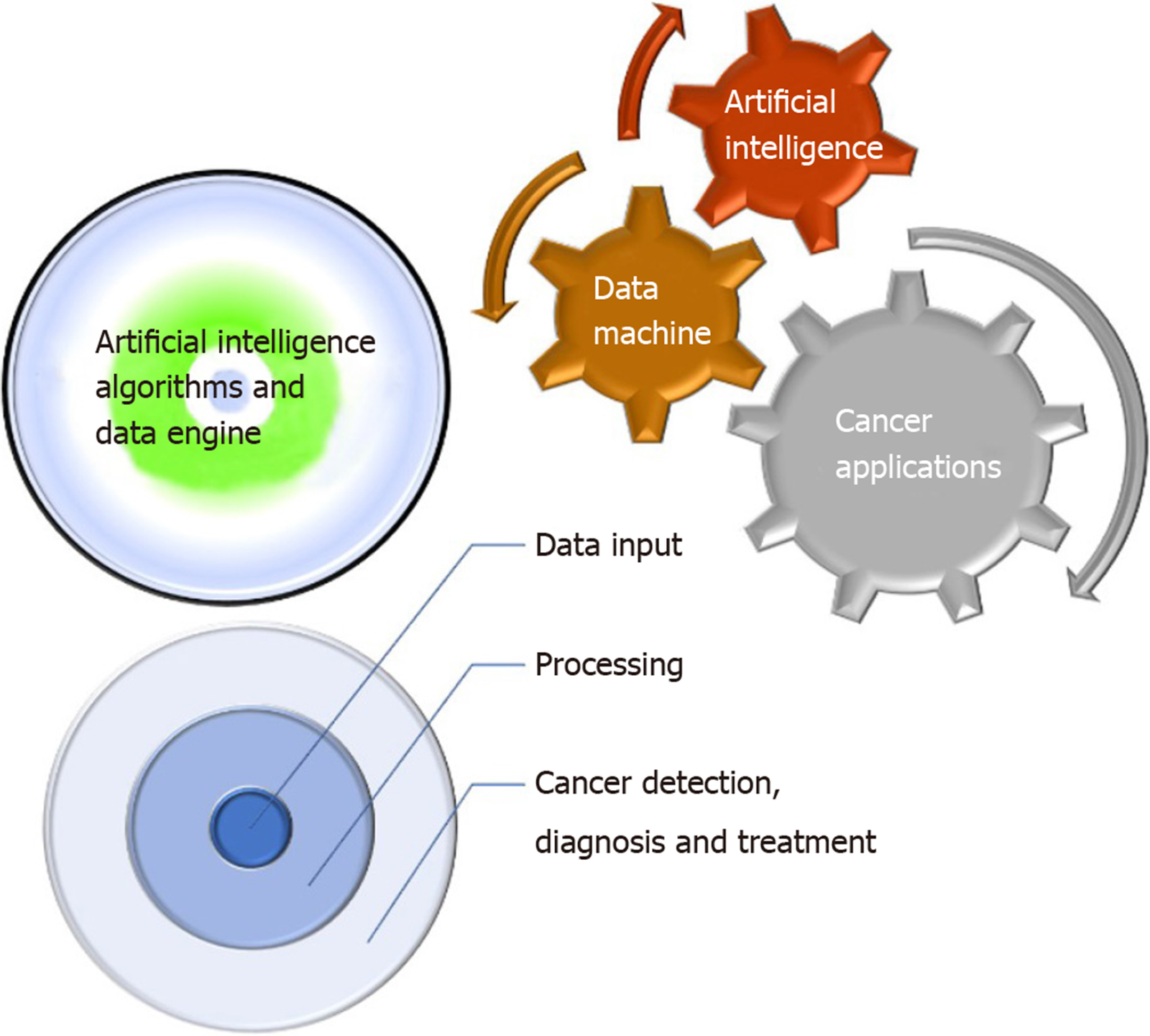
Revolutionizing Cancer Treatment with AI-Driven Protein Analysis
AI-driven protein analysis transforms cancer treatment, enhancing diagnosis and drug design. Promising advancements in personalized healthcare. π§¬π‘
Discover the newest research about AI innovations in π Oncology.

AI-driven protein analysis transforms cancer treatment, enhancing diagnosis and drug design. Promising advancements in personalized healthcare. π§¬π‘

AI algorithms may enhance early breast cancer detection, potentially improving personalized screening strategies. ππ€ Early detection is crucial for better outcomes.

Recent research highlights the potential of 18F-FDG PET/CT radiomics in predicting Her-2 and Ki-67 status in gastric cancer. ππ

Artificial intelligence enhances chemotherapy toxicity prediction in colorectal cancer, promoting personalized treatment strategies. π€π

A recent study reveals a novel RNA virus linked to Plasmodium knowlesi, highlighting its potential impact on malaria treatment. π¦ π©Ί

Recent research highlights sphingolipids, particularly sphinganine-1-phosphate, as key players in paclitaxel-induced neuropathy. π§ π

New research highlights aging genes’ role in prostate cancer prognosis. A predictive model shows promise for improved outcomes. ππ¬

Long QT syndrome (LQTS) impacts cancer treatment. π©Ί A new prognostic model may enhance patient outcomes. π

A recent study explores machine learning for predicting outcomes in recurrent prostate cancer after salvage radiotherapy. ππ¬

New research highlights the role of optical coherence tomography in predicting oral cancer prognosis using deep learning. ππ¦·