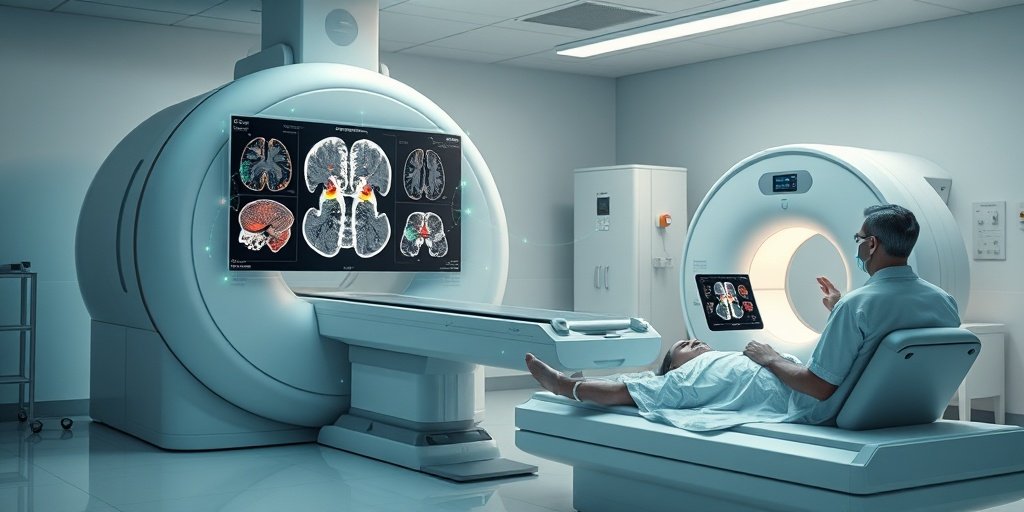
[A deep learning method for differentiating nasopharyngeal carcinoma and lymphoma based on MRI].
Deep learning model differentiates nasopharyngeal carcinoma from lymphoma using MRI: AUC 0.93 for T1WI+T2WI. 📊🧠

Deep learning model differentiates nasopharyngeal carcinoma from lymphoma using MRI: AUC 0.93 for T1WI+T2WI. 📊🧠
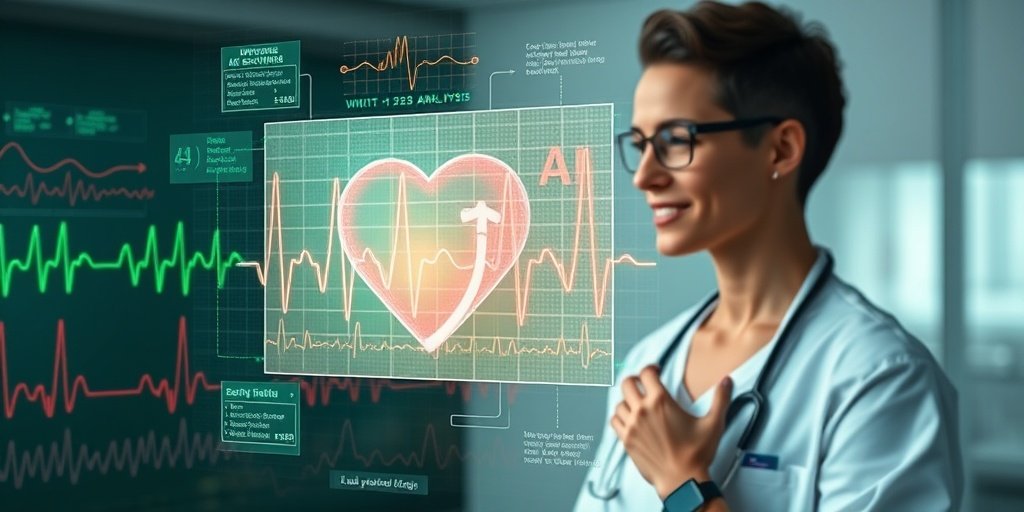
Optimizing arrhythmia detection: 94.82% accuracy with 4 beats using 1-D CNNs in real-world ECG studies. 📊❤️

Real-time satellite air pollution alerts using SoC technology: 5.5 min latency, 0.78-0.81 accuracy for PM2.5, PM10, O3. 🌍📊
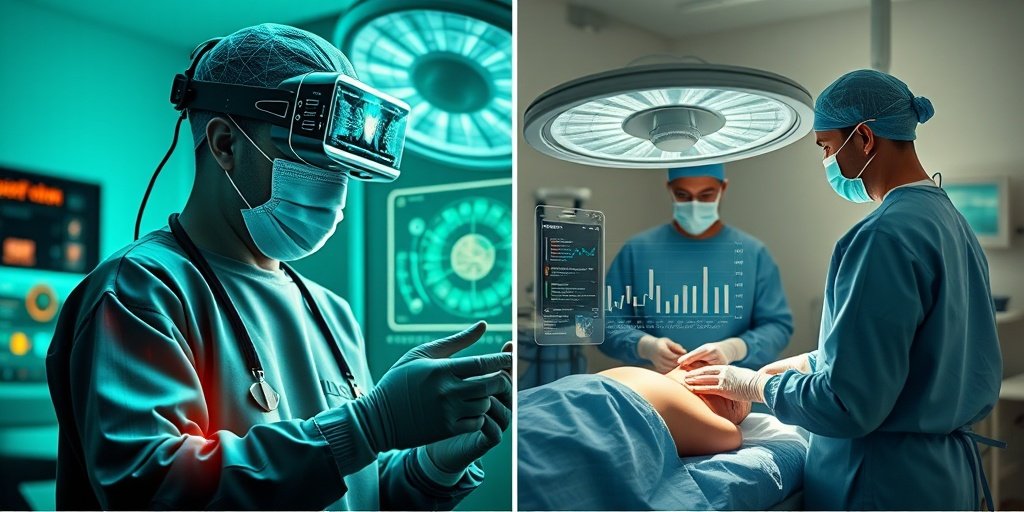
Wearable medical devices enhance surgical precision with AI, improving outcomes. Key challenges include data privacy and interoperability. 🤖🔍
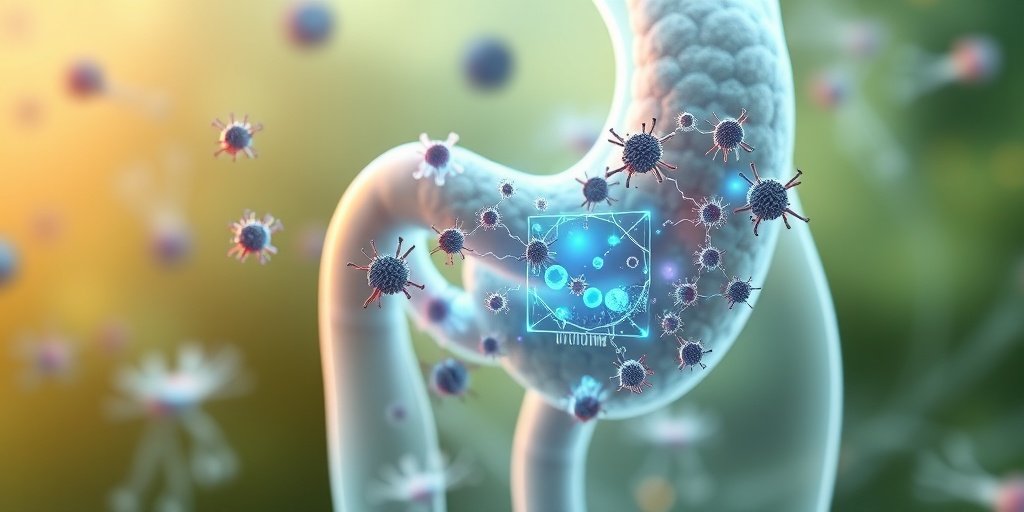
Exploring the gut virome’s role in health: diversity, phage therapies, and precision medicine advancements. 🦠💊
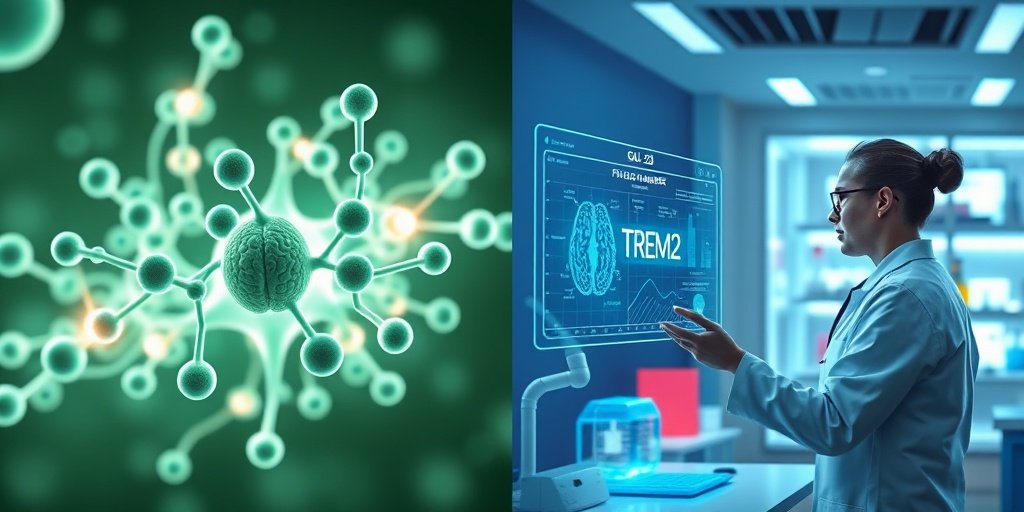
AI identifies FJMU1887, a Gal-3 inhibitor, enhancing cognition and reducing neuroinflammation in Alzheimer’s models. 🧠💊
BMA advises GPs to pause AI scribing tools due to safety concerns. Proper checks are essential for patient protection. ⚠️🩺
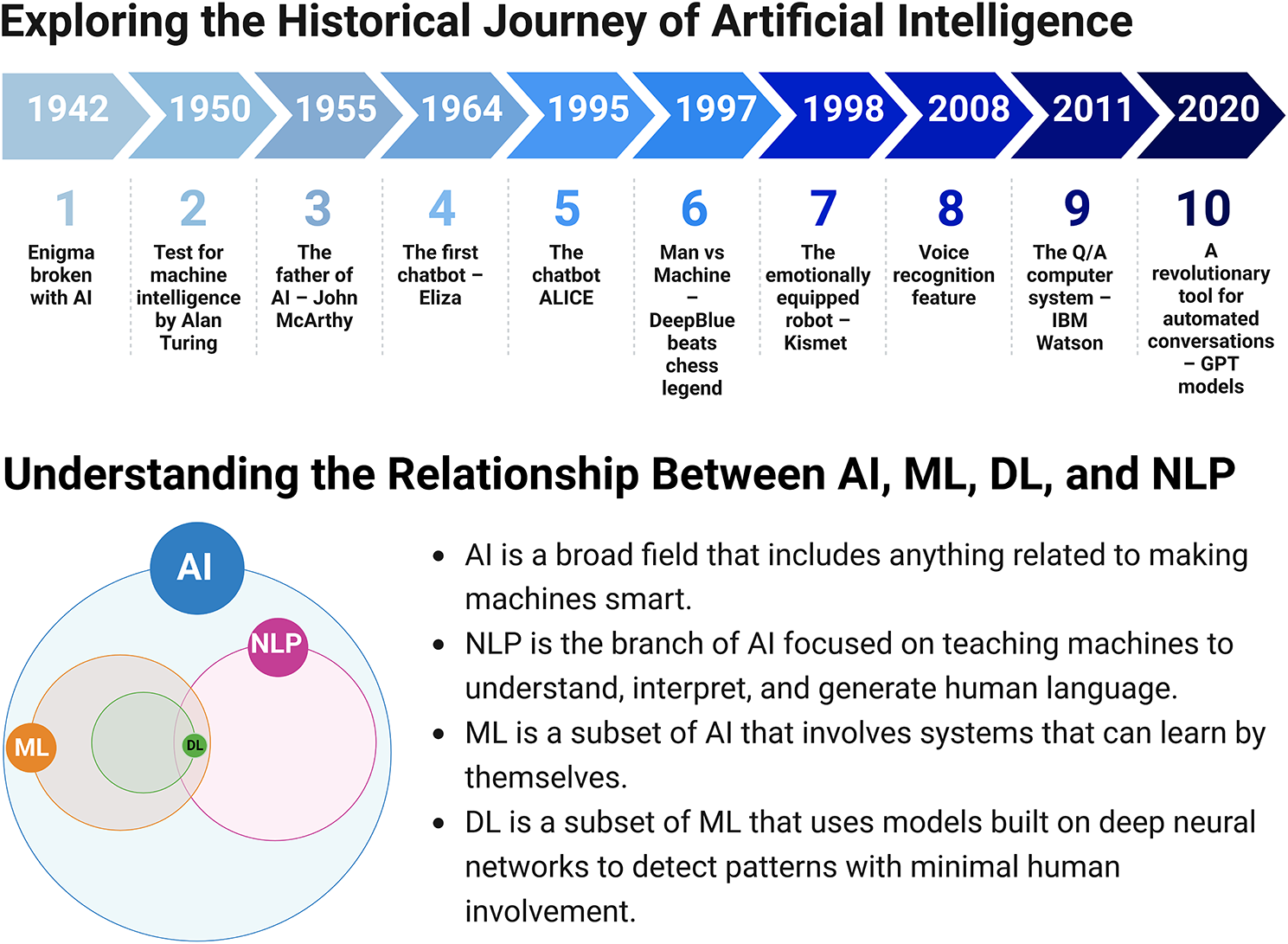
New research identifies learning strategies to enhance AI effectiveness in healthcare, addressing data shifts and improving patient safety. 🏥🤖
AI system boosts radiology efficiency by 15.5%, identifying critical conditions rapidly. Promising solution to radiologist shortages. 🩻🤖
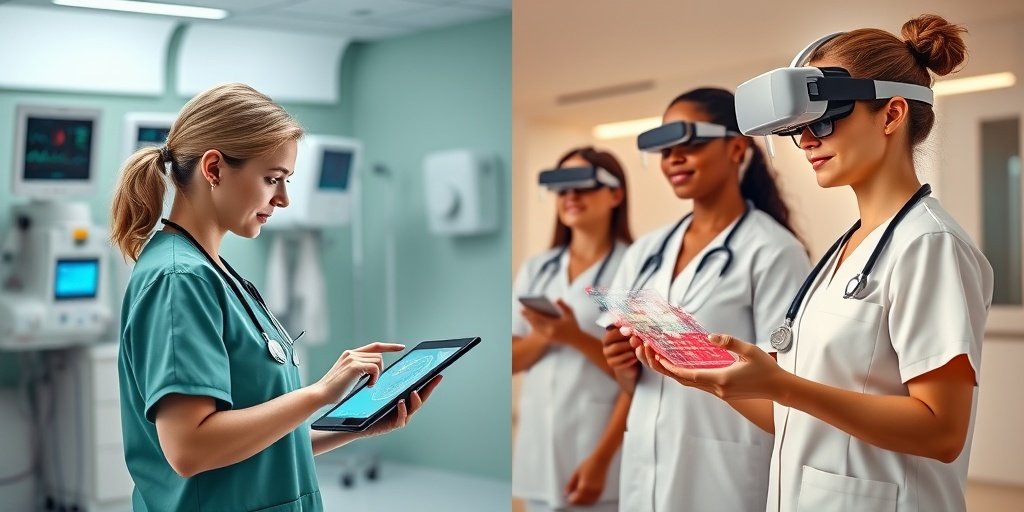
AI attitudes boost nurses’ creative self-efficacy & clinical reasoning! 📈 Strong correlations found in critical care settings. 🩺